



The Building Blocks of Protein
To understand why this combination is so powerful, we first need to talk about amino acids. Think of them as the fundamental building blocks of protein. Your body needs 20 different amino acids to function correctly, building everything from muscle tissue
to enzymes. While your body can produce 11 of these on its own (non-essential amino acids), there are nine that it cannot make. These are called essential amino acids, and they must come from the food you eat. For anyone active, but especially after a workout, getting enough of these essential amino acids is critical for repairing muscle fibres and promoting recovery.
The Myth of 'Incomplete' Protein
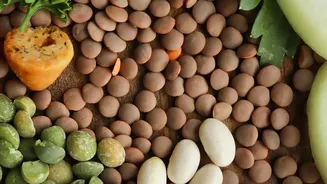
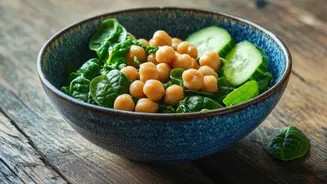
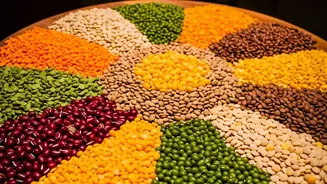
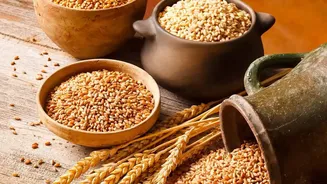
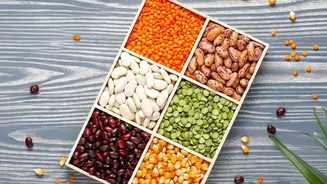
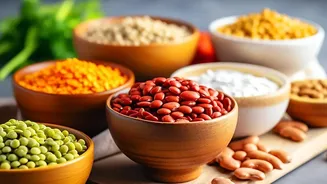
There's a common misconception that most plant foods are 'incomplete' proteins, leading many to believe that a vegetarian diet is automatically deficient. The reality is more nuanced. Most plant-based foods actually contain all nine essential amino acids, but they are often low in one or two, making their overall profile unbalanced. For example, whole grains like wheat and rice are typically low in an essential amino acid called lysine. On the other hand, legumes such as lentils, chickpeas, and beans are rich in lysine but tend to be low in another essential amino acid, methionine. On their own, their amino acid profiles are lopsided. But when you eat them together, something powerful happens.
A Perfect Nutritional Partnership
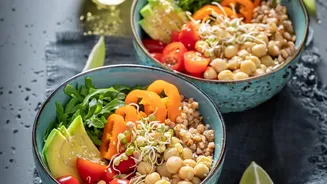
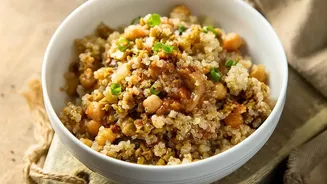
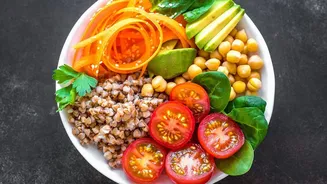
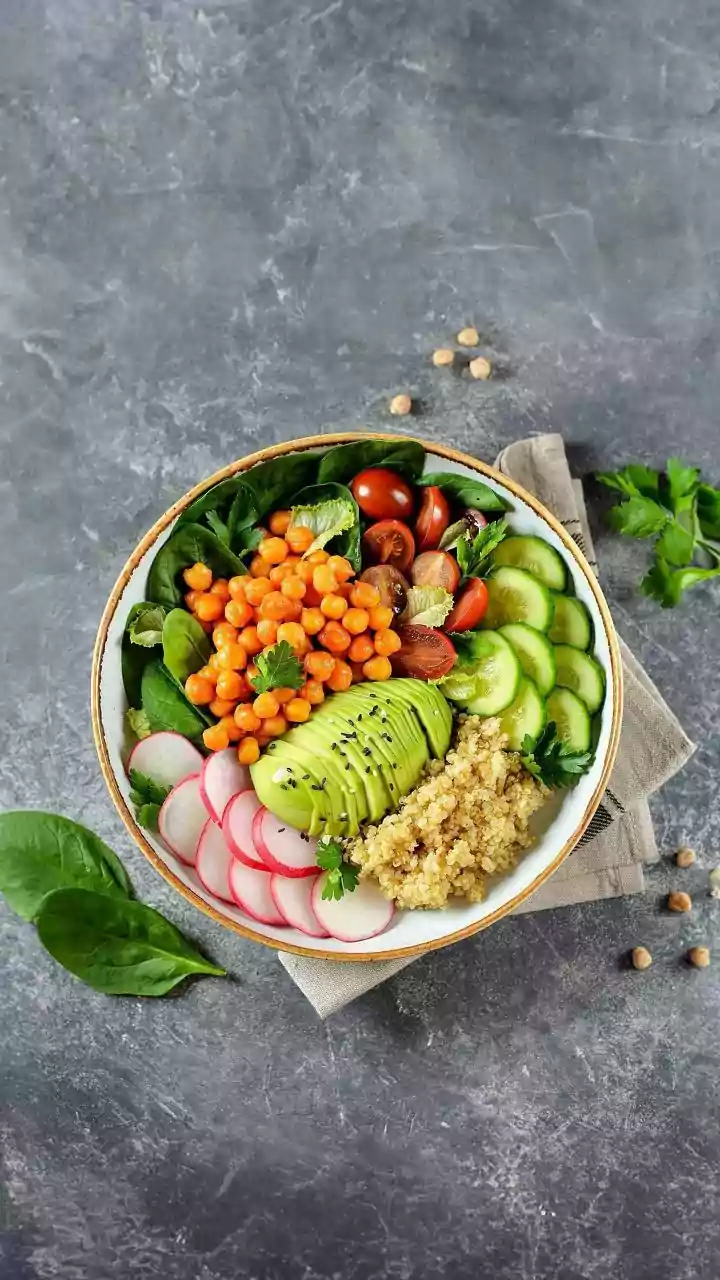
This is where the magic of combining foods comes in. When you pair a whole grain with a legume, they complement each other perfectly. The lysine that is lacking in the grain is provided by the legume, and the methionine that is low in the legume is supplied by the grain. Together, they create a meal with a 'complete' amino acid profile, providing your body with all the essential building blocks it needs for effective muscle repair and growth, similar to what you would get from animal-based proteins. This concept, known as complementary protein, is the secret to unlocking high-quality, plant-based nutrition.
Traditional Wisdom on Your Plate
The best part is that this nutritional strategy is already deeply embedded in traditional Indian cuisine. You don't need to buy expensive supplements or follow complicated meal plans. Some of the most common and beloved Indian meals are perfect examples of combining grains and legumes. Think of dal with rice, a staple across the country. The lentils (dal) and the rice work together to provide a full amino acid profile. The same goes for rajma chawal, where kidney beans are paired with rice, or chana masala served with whole wheat roti or naan. Even simple meals like khichdi, which cooks rice and lentils together, or idli and sambar, a fermented rice and lentil combination, are built on this powerful nutritional principle.
Putting It All into Practice
For years, it was believed that you had to eat complementary proteins in the exact same meal for the benefits to count. However, modern nutrition science has shown that this isn't strictly necessary. Your body maintains a pool of amino acids, so as long as you eat a variety of plant-based protein sources throughout the day, your body can pull what it needs to form complete proteins. So, if you have a bowl of dal for lunch and some whole wheat toast later in the day, you're still getting the benefits. The key is variety. By ensuring your daily diet includes a mix of whole grains (like brown rice, whole wheat, millets) and legumes (like lentils, beans, chickpeas), you create a robust nutritional foundation that fully supports an active lifestyle and promotes effective post-exercise recovery.