




The Physics of a Slip
The problem with working out on a slick floor comes down to two simple physics concepts: friction and momentum. Friction is the grip between your shoes and the floor. When that surface is wet or damp, friction decreases significantly. Momentum is the force
of your body in motion. Explosive exercises—anything involving jumping, bounding, or rapid direction changes—generate a lot of momentum. When high momentum meets low friction, your ability to stop, land, or pivot safely is compromised. Your feet are more likely to slide out from under you, leading to falls, sprains, or more serious joint injuries. It’s a recipe for disaster, especially on hard surfaces like tile, wood, or laminate flooring.
High-Momentum Moves to Avoid
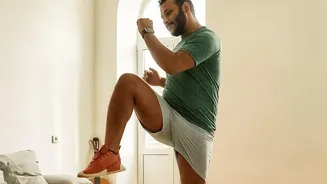
When your workout space is potentially slippery, it's wise to temporarily shelve exercises that involve forceful, uncontrolled movements. These often include plyometrics, or 'jump training,' which relies on explosive power. High-risk exercises include: - Burpees and Squat Thrusts: The rapid kick-back and jump-forward motions create a high risk of your feet slipping on the slick surface. - Skater Hops or Lateral Jumps: These side-to-side bounds require you to plant your foot to stop your lateral momentum, a movement that is particularly unstable on a wet floor. - Broad Jumps: Leaping forward for distance generates significant forward momentum, making a stable, slip-free landing difficult. - Jumping Lunges or Split Squat Jumps: The dynamic switching of your feet in the air and the subsequent landing are hard to control when traction is low. - Running in Place with High Knees: While seemingly stationary, the rapid, forceful foot strikes can still lead to slips if your floor is slick.
Grounded and Effective Alternatives
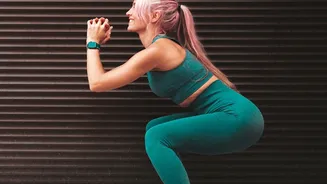
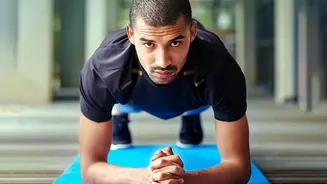
The goal isn't to stop moving, but to move smarter. Focus on strength and stability exercises where your feet remain planted or movement is slow and controlled. These grounded exercises build muscle and elevate your heart rate without the risk of slipping. Good alternatives include: - Stationary Squats and Lunges: By keeping your feet in place, you get the full muscle-building benefit for your quads and glutes without the risky momentum. - Glute Bridges: This floor-based exercise is excellent for targeting the glutes and hamstrings with zero risk of slipping. - Plank Variations: A standard plank, side plank, or even plank walk-outs build incredible core strength and stability. - Push-ups: A classic for upper body and core strength that keeps you firmly planted. - Wall Sits: This static hold is a fantastic way to build endurance in your quadriceps without any movement at all. - Dead Bugs and Bird-Dogs: These core exercises challenge your stability while you lie or kneel on a mat, keeping you safe and controlled.
Setting Up Your Safe Workout Zone
Before you start any rainy-day workout, take a moment to prepare your space. First, ensure the floor is as dry as possible. Place absorbent mats at all entrances to catch water from shoes and umbrellas. If you have a large, non-slip yoga or exercise mat, use it. A mat provides a reliable, high-traction surface that stays put. If you don't have a mat, consider going barefoot. On some surfaces like hardwood or tile, bare feet can offer a better grip than socks or even some shoes. Test your footing before you begin exercising. Take a few small steps and gentle weight shifts to feel how much grip you have. By being mindful of your environment and choosing your exercises wisely, you can get a great workout without letting a little rain derail your fitness or your safety.