







Start with the Protein Source
The first thing to check is the primary ingredient. It should be a protein source, not a sugar or filler. Common animal-based options include whey and casein. Whey is popular, absorbs quickly, and is a complete protein with all nine essential amino acids.
It comes in three main forms: concentrate (70-80% protein), isolate (90-95% protein after more fat and carbs are removed), and hydrolysate (pre-digested for even faster absorption). Plant-based powders use sources like soy, pea, hemp, or brown rice. Soy is a complete protein, but other plant proteins may need to be blended to provide all essential amino acids.
Calculate the Protein Percentage
A quick way to gauge quality is to check how much protein you're getting per serving. A good quality powder should provide at least 20-30 grams of protein in a typical 30-gram scoop. You can do some simple math: divide the grams of protein by the serving size in grams. For example, if a 30g scoop provides 24g of protein, that’s an 80% protein content, which is a solid benchmark. If the number is significantly lower, it might mean the product contains more fillers and fewer valuable nutrients.
Scan for Added Sugars and Sweeteners
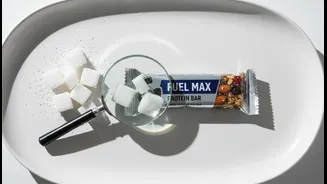
Many flavoured powders get their taste from added sugars and artificial sweeteners. While a small amount can make your shake more palatable, excessive sugar can undermine your health goals. Check the 'Added Sugars' line on the nutrition facts panel. Also, look at the ingredients list for terms like high-fructose corn syrup, cane sugar, or fruit juice concentrate. Artificial sweeteners like sucralose, aspartame, and acesulfame potassium are common but can cause digestive discomfort for some people. If you're sensitive, look for powders sweetened naturally with stevia or monk fruit, or simply opt for an unflavoured version.
Beware of Unnecessary Fillers
To cut costs and improve texture, some brands add fillers that offer little to no nutritional value. A prime example is maltodextrin, a highly processed carbohydrate often made from corn or rice that is used as a thickener or bulking agent. Other additives to watch for include various gums and thickeners. A shorter ingredient list is generally a better sign. If the list is long and full of words you can't pronounce, it might be worth choosing a simpler, cleaner product. The first ingredient should always be the protein itself.
Look for Third-Party Certification
The supplement industry is not as strictly regulated as food or medicine, so quality can vary. To ensure a product is safe and contains what it claims, look for seals from third-party testing organisations like NSF International or Informed-Choice. This voluntary testing verifies that the powder is free from banned substances and contaminants like heavy metals, which can be a concern, especially in some plant-based proteins that may absorb them from the soil. A third-party seal provides an extra layer of confidence that you’re buying a high-quality, safe product.