




Why Your Breath Matters
Being told to 'take a deep breath' during a stressful moment is more than just a saying; it's scientifically sound advice. Conscious breathing can activate the body's relaxation response, which helps lower stress hormones, slow your heart rate, and reduce
blood pressure. The benefits aren't just immediate. Regular practice of breath awareness can lead to improved sleep, better focus and concentration, and enhanced emotional regulation. It's a simple practice that grounds you in the present moment, helping to quiet anxious thoughts about the past or future. By intentionally focusing on this automatic function, you can influence how you feel both mentally and physically.
First Step: Just Notice
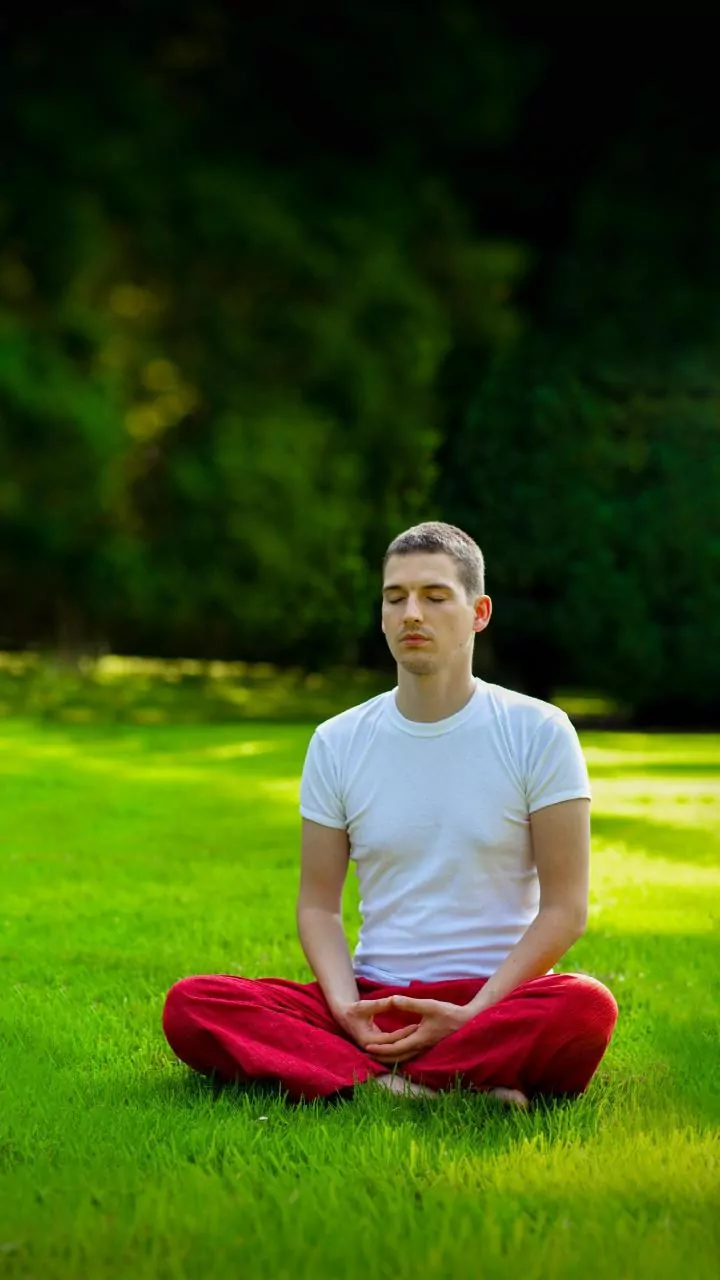
Before trying any specific techniques, the first and most fundamental step is simply to observe. You don't need to change anything. Find a comfortable position, either sitting or lying down. Bring your awareness to the sensation of your breath. Notice the air moving in through your nose and out through your mouth or nose. Feel your chest or belly rise and fall. Don't judge your breathing as 'good' or 'bad'. The goal is just to pay attention without trying to control it. Do this for a minute or two. This simple act of observation is the foundation of mindfulness and can be incredibly calming on its own.
Technique 1: Belly Breathing (Diaphragmatic Breathing)
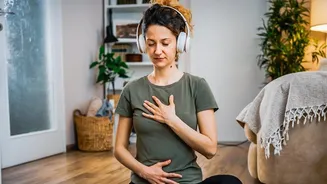
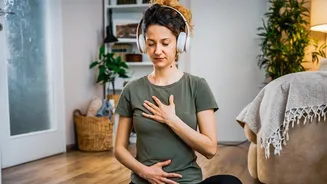
Many of us shallow-breathe from our chests, especially when stressed. Belly breathing, also known as diaphragmatic breathing, encourages a deeper, more relaxing breath that fully engages the diaphragm muscle at the base of your lungs. To start, lie comfortably on your back with your knees bent, or sit upright in a chair. Place one hand on your upper chest and the other on your belly, just below your rib cage. Breathe in slowly through your nose, focusing on sending the air down into your stomach. The hand on your belly should rise, while the hand on your chest remains relatively still. Then, exhale slowly through your mouth, feeling your belly fall. Practice for 5 to 10 minutes a day to strengthen the diaphragm and make this calming breath more automatic.
Technique 2: Box Breathing (Four-Square Breathing)
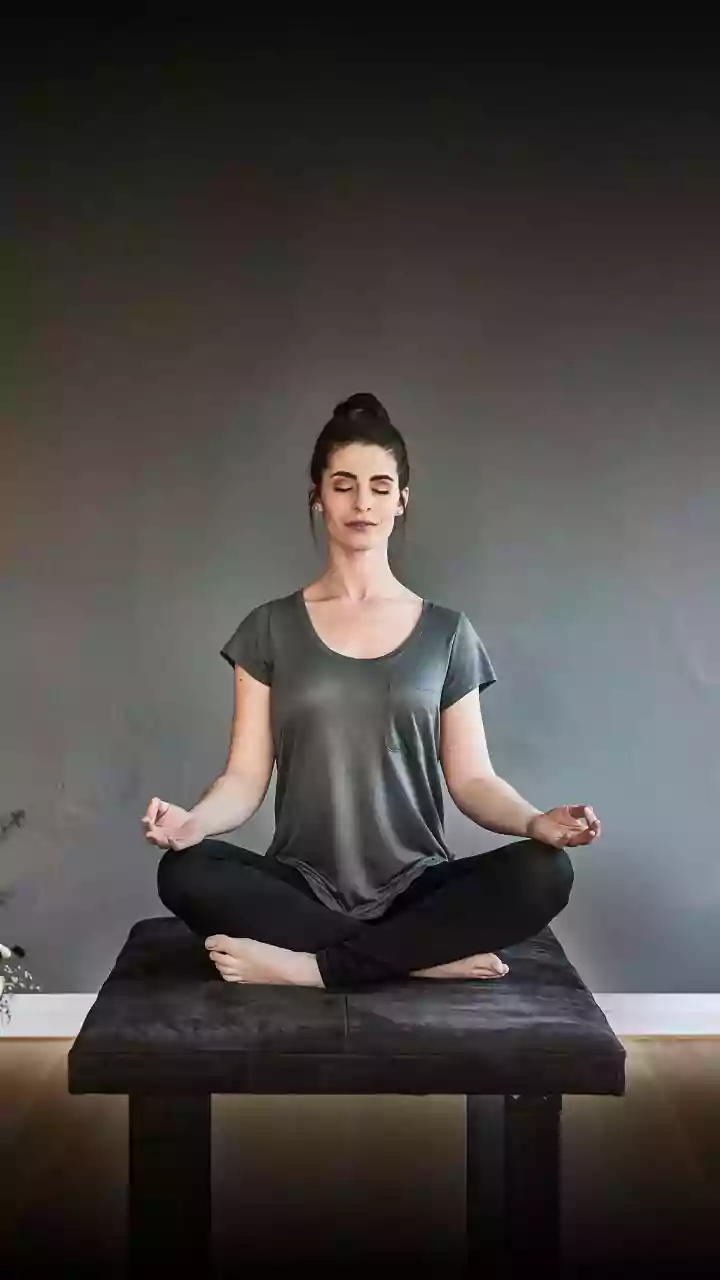
This technique is incredibly simple and effective for calming nerves and improving focus. Used by everyone from Navy SEALs to athletes, it provides a simple rhythm to anchor your mind. The pattern is based on a count of four, like the four equal sides of a box. Sit comfortably with your back straight. First, slowly exhale all the air from your lungs. Then, follow this four-step cycle: 1. Inhale slowly through your nose for a count of four. 2. Hold your breath for a count of four. 3. Exhale slowly and completely through your mouth for a count of four. 4. Hold your breath again for a count of four before repeating. Continue this cycle for a few minutes, or until you feel a sense of calm and focus return.
Making Breath Awareness a Habit
The key to unlocking the long-term benefits of breath awareness is consistency. But it doesn't need to be a major time commitment. Start with just two to five minutes each day. You can 'habit stack' by linking your breathing practice to something you already do, like right after you brush your teeth or before your morning tea or coffee. Find small pockets in your day to practice: while waiting in line, during a commercial break, or before joining a video call. The more you practice in calm moments, the easier it will be to use these techniques as a tool when you're feeling stressed or overwhelmed. You don't need a quiet room or a yoga mat; you just need to remember the powerful tool you have with you at all times.