





A World Washed Anew
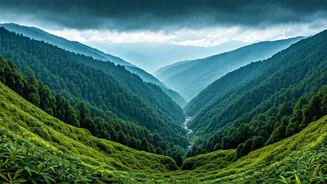
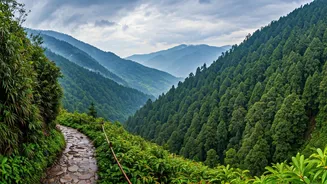
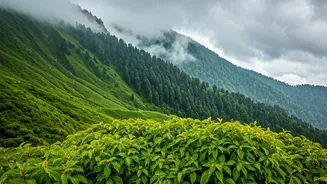
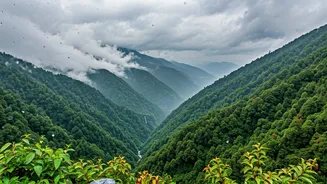
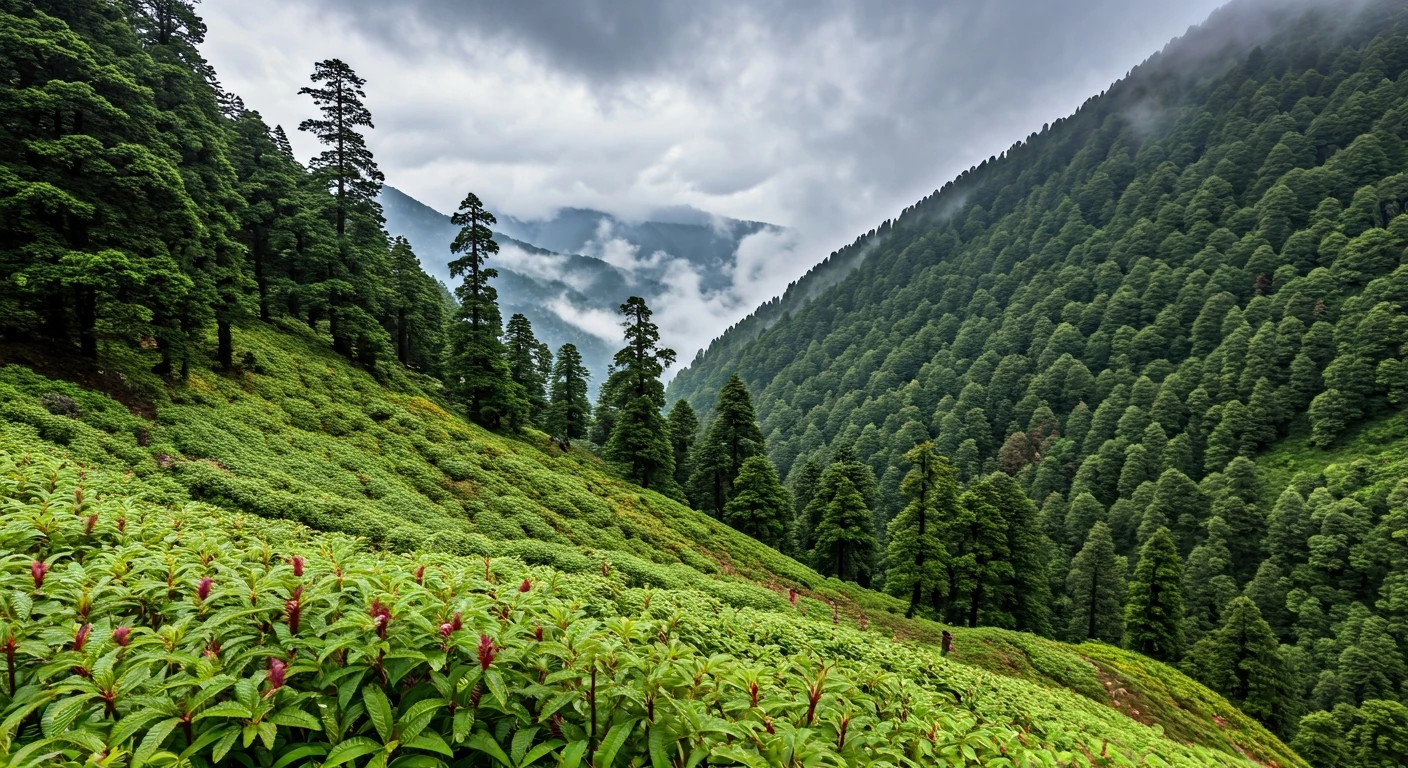
From June to September, the monsoon breathes new life into every corner of Sikkim. The parched summer landscape gives way to a paradise of unparalleled greenery. Hills and valleys, stretching as far as the eye can see, are blanketed in countless shades
of emerald and jade. A gentle mist perpetually hangs in the air, wrapping the mountains in a mystical embrace and softening the world's edges. This isn't just rain; it's a personality that redefines the state. The temperature becomes pleasantly cool, ranging from 17 to 22 degrees Celsius, providing a perfect escape from the heat of the Indian plains. While many travellers shy away from the rains, those who venture here are rewarded with a tranquil, less crowded version of this Himalayan wonderland.
The Symphony of Waterfalls
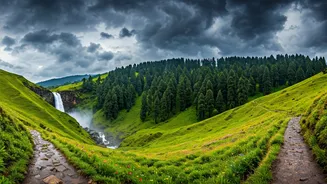
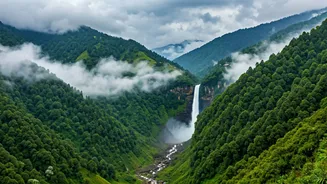
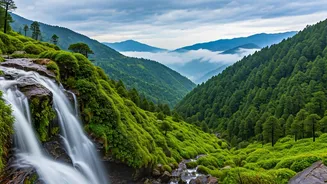
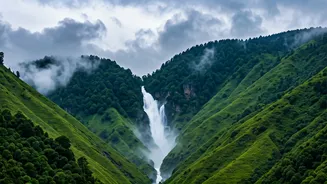
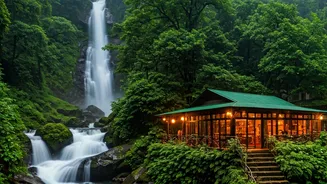
The monsoon is when Sikkim's waterfalls perform their grandest show. What are mere trickles in drier months become thunderous cascades of water, roaring down mountainsides. The famous Seven Sisters Waterfall, located near Gangtok, becomes a powerful spectacle of seven distinct streams gushing down rugged cliffs. Further afield, near Pelling, the Kanchenjunga Falls, believed to originate from the glaciers of the mighty mountain itself, crashes down with immense force. Countless other falls, like the Bhim Nala and Rimbi waterfalls, appear along roadways and hiking trails, their constant, soothing roar becoming the soundtrack to any monsoon journey. Each turn on the winding roads reveals another silvery ribbon of water, making the entire state feel alive and dynamic.
A Riot of Blooms and Life
Sikkim is a biodiversity hotspot, and the monsoon amplifies its floral and faunal abundance. The state is home to over 550 species of orchids and 36 species of rhododendrons, and the moist, humid weather creates the perfect conditions for them to flourish. The legendary Nobile Orchid, Sikkim's state flower, can be found clinging to trees, their blossoms adding pops of colour to the green canvas. The forests, rich with oak, maple, and bamboo, become home to over 600 species of butterflies, their vibrant wings flitting through the misty air. For birdwatchers, the season is a delight, as many rare avian species become more active. It’s a time when the subtlest details of nature—from tiny primulas to the iridescent flash of a bird's wing—take centre stage.
The Traveller’s Prudent Path
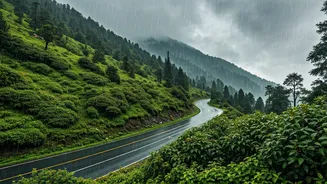
While breathtakingly beautiful, travelling in Sikkim during the monsoon requires a degree of caution and preparation. The heavy rains can make the hilly terrain prone to landslides, and road closures are a possibility, particularly in the more remote northern regions like Lachen and Lachung. It is often advised to stick to the more accessible and well-maintained areas of South, West, and East Sikkim, including the capital, Gangtok, as well as towns like Pelling and Namchi. Hiring a local driver who is experienced with the mountain roads is highly recommended. Packing raincoats, waterproof shoes, and keeping a flexible itinerary with buffer days are smart choices. These challenges, however, are part of the raw, authentic experience, offering a journey for the true adventurer.