






Turmeric: The Golden Healer
A staple in every Indian kitchen, turmeric (haldi) is a powerhouse of wellness, especially during the monsoon. Its active compound, curcumin, has potent anti-inflammatory, antibacterial, and antifungal properties. During the rainy season, when the risk
of infections like the common cold and flu is high, a daily dose of turmeric can significantly bolster your immune system. A glass of warm turmeric milk (haldi doodh) before bed is a classic remedy to fight inflammation and keep infections at bay. You can also simply add a little extra to your daily dal and sabzi to reap its protective benefits.
Ginger and Garlic: The Dynamic Duo
Ginger (adrak) and garlic (lehsun) are two of the most effective foods for monsoon health. Ginger is celebrated for its ability to aid digestion, which tends to be sluggish during this humid season. A warm cup of ginger tea can soothe a sore throat and fight respiratory infections. Garlic, on the other hand, is known for its powerful antiviral and antifungal properties thanks to a compound called allicin. Adding raw or lightly cooked garlic to your meals, such as in dals or chutneys, can help your body ward off a wide range of seasonal illnesses.
Moong Dal: Light and Nourishing
According to Ayurveda, the digestive fire (agni) is at its weakest during the monsoon. This is why heavy meals can lead to bloating and indigestion. Moong dal is the perfect solution. It is incredibly light, easy to digest, and a rich source of protein and essential nutrients. A simple moong dal khichdi or a warm moong dal soup is considered an ideal meal for the season. It provides sustained energy without taxing your digestive system, helping to maintain gut health and prevent discomfort.
Bitter Gourd: The Protective Bitter
While its bitter taste might not be for everyone, bitter gourd (karela) is a true superfood for the rainy season. It is packed with Vitamin C and powerful antioxidants that strengthen the immune system against common monsoon infections. Digestive issues are common during this time, and bitter gourd helps by promoting the secretion of digestive enzymes and preventing constipation. It also has detoxifying properties that support liver health, which is crucial when the body is more susceptible to toxins and infections.
Jamun: The Seasonal Gem
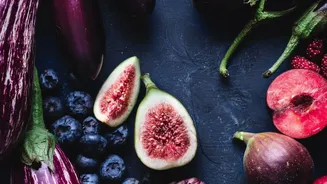
Nature provides us with the perfect foods for every season, and Jamun (Indian blackberry) is a prime example for the monsoon. This deep purple fruit is low in calories but high in essential nutrients like Vitamin C, iron, potassium, and antioxidants. Its rich vitamin and antioxidant content helps boost immunity, which is vital for fighting off colds and other infections that are common during this period. Jamun also aids in digestion and has been traditionally used to maintain overall wellness, making it a delicious and healthy snack for the season.
Pomegranate: A Burst of Immunity
Pomegranates (anaar) are another excellent fruit to include in your monsoon diet. They are loaded with powerful antioxidants that help protect your body's cells from damage and support a strong immune system. Available during the rainy season, these ruby-red seeds are a great source of Vitamin C and other essential nutrients that enhance your body's ability to fight off infections. They are not only good for immunity but also support heart health. You can add them to salads, yoghurt, or simply eat them as is for a refreshing and healthy boost.