



The Digital Gatekeeper: Understanding ATS
Before a human recruiter ever sees your application, it first has to pass a digital test. This test is run by an Applicant Tracking System (ATS), a software used by most large companies to scan and filter the hundreds, sometimes thousands, of applications
they receive. An ATS scans your CV for specific keywords, skills, and formatting. If your resume uses complex layouts, graphics, or the wrong file type, the system may fail to read it correctly, effectively rejecting your application before it even begins. For freshers, ensuring your CV is ATS-compliant is not just an advantage; it's the mandatory first step to getting your foot in the door.
Your AI Advantage: How Builders Beat the Bots
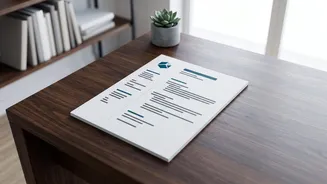
This is where AI resume builders come in. These tools are designed to produce CVs that are perfectly formatted for ATS parsers. They use clean, single-column layouts, standard fonts, and conventional section headings like "Education" and "Skills" that the software can easily understand. More importantly, AI tools can analyze a specific job description and suggest relevant keywords to include in your CV. This process of tailoring your resume with the right terms dramatically increases its score within the ATS, pushing it to the top of the pile for a human recruiter to review.
From Blank Page to Polished CV
For a fresher, the biggest challenge is often staring at a blank page. AI resume builders solve this by structuring the process. They prompt you to input key information: your education, internships, academic projects, and any certifications. The AI then helps you articulate these experiences. Instead of just listing duties from an internship, the AI can help you rephrase them as achievements with measurable results. For example, a generic task like "Worked on a social media campaign" can become "Contributed to a team that increased Instagram engagement by 15% over three months." This turns your limited experience into compelling evidence of your skills.
Crafting the Perfect Professional Summary
One of the most common mistakes freshers make is starting their CV with a generic objective like, “Seeking a challenging role in a reputed organisation.” This tells the recruiter nothing about what you can offer. AI builders help you replace this with a powerful Professional Summary. By analyzing your skills and project details, the AI can generate a concise, 2-3 line summary that highlights your key strengths and career aspirations, tailored to the specific role. It immediately shows the recruiter why you are a good fit.
Don't Let the AI Do All the Thinking
While AI is a powerful assistant, it is not a replacement for your own effort and personality. Relying on it completely can lead to a generic resume that sounds robotic and lacks authenticity. Always treat the AI-generated text as a first draft. The biggest pitfall is failing to personalize. You must review and edit every section to ensure it accurately reflects your voice and your unique story. Double-check for any factual errors or awkward phrasing. The goal is to combine AI's efficiency with your human touch.
Making Your CV Truly Yours
After the AI has helped you with the structure and keywords, it's your turn to add the finishing touches. This is where you can truly stand out. Ensure your CV is strictly one page, a golden rule for anyone with less than three years of experience. Proofread it meticulously for any typos or grammatical errors; a simple mistake can signal a lack of attention to detail. Most importantly, ensure you have included links to your work, such as a GitHub profile for tech roles or a personal portfolio for design roles. This provides concrete proof of the skills you've listed. Finally, get a friend or mentor to review it. A fresh pair of eyes can catch mistakes you might have missed.