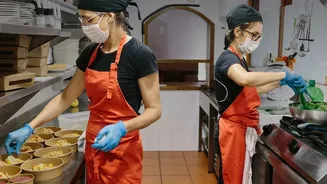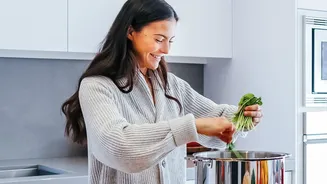


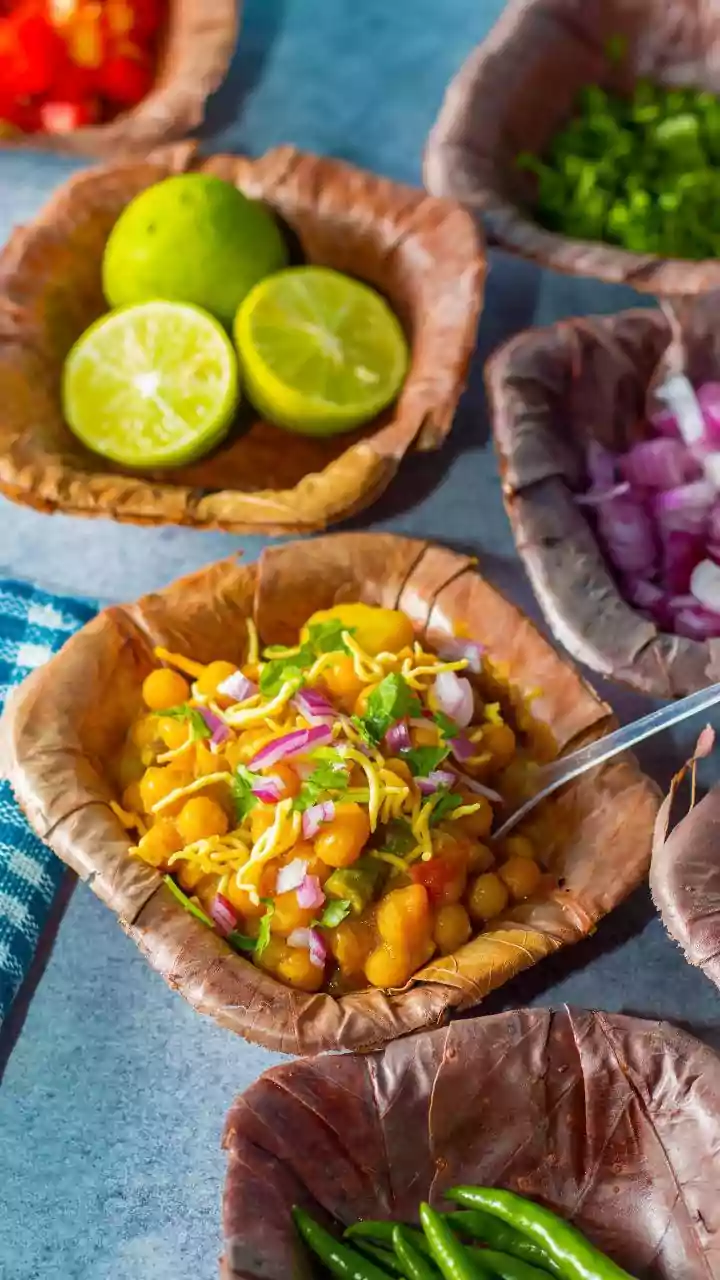

For busy working couples, the 'What’s for dinner?' question can feel like a daily burden. Batch cooking offers a simple, effective solution, saving time, money, and stress by preparing meals in advance. Here's how to do it right.
The Golden Rules of Batch-Friendly Recipes
The secret to successful
batch cooking lies in choosing recipes that don't just survive, but thrive, after a few days in the fridge or freezer. The best dishes are often those that improve with time. Think of soups, stews, curries, and braised meats. The science is simple: the flavours in these dishes meld and deepen overnight, resulting in a more delicious meal the next day. Opt for recipes with sturdy ingredients. Roasted root vegetables, legumes, whole grains, and tomato-based sauces hold their texture and flavour remarkably well. These components can be cooked in large quantities and then used as the base for various meals throughout the week, offering flexibility without the monotony.
Star Players: Recipes That Get Better with Age
Certain meals are practically designed for batch cooking. A big pot of chili or a bolognese sauce is a classic for a reason; the flavours become richer and more complex after a day or two. Curries, whether Indian, Thai, or Japanese, are another excellent choice, as the spices infuse the other ingredients over time. Baked pasta dishes like lasagna or baked ziti are also fantastic candidates. These casseroles hold their shape, are easy to portion, and the flavours soak into every layer. Similarly, pulled chicken or pork prepared in a slow cooker is a versatile protein that can be used in tacos, sandwiches, or grain bowls all week.
Foods to Use with Caution
Not all foods are created equal when it comes to reheating. Dairy-based sauces, like Alfredo or other creamy concoctions, have a tendency to separate or become grainy when reheated. Delicate cooked greens like spinach can become unappealing, and some experts note that reheating them can convert naturally occurring nitrates into less desirable compounds. Most fried foods lose their essential crispiness, and certain seafood, like mussels and clams, can become rubbery and unpleasant. While cooked pasta can be part of a batch-cooked dish like a casserole, freezing it plain often results in a mushy texture. It's often better to cook pasta fresh to serve with a pre-made sauce.
Smart Storage for Lasting Freshness
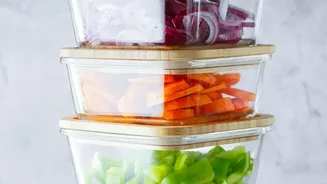
Proper storage is just as important as the cooking itself. The cardinal rule is to cool food quickly before refrigerating or freezing to prevent bacterial growth. The US FDA recommends never leaving cooked food at room temperature for more than two hours. Divide large batches into smaller, shallow containers to help them cool down faster. Airtight containers are nonstoppable; glass is often preferred as it doesn't absorb odours or stains and can often go from the fridge to the microwave. For freezer storage, ensure your containers are freezer_safe, and leave a little space at the top for liquids to expand. Finally, label everything with the name of the dish and the date it was made. You think you'll remember what's in that frosty container, but you probably won't.
Bringing It All Together: A Week of Easy Meals
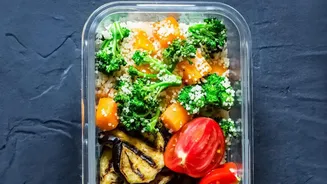
The true magic of batch cooking is in the assembly. A Sunday session might involve making a large batch of quinoa, roasting a tray of vegetables, and preparing a pot of lentil dal. During the week, these components become the building blocks for quick, healthy meals. One night, you might have the dal with a side of quinoa. The next, you can toss the roasted vegetables with the quinoa and some pre_cooked chicken for a vibrant salad. This 'component cooking' approach prevents flavour fatigue and allows for more variety than simply eating the same full meal for days on end. It’s a strategy that respects your time and your palate, making home_cooked dinners a sustainable and enjoyable part of your routine as a couple.