
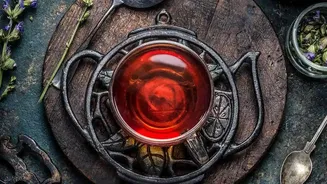
Kashmiri Kahwa: A Cup of Hospitality
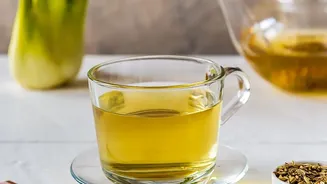
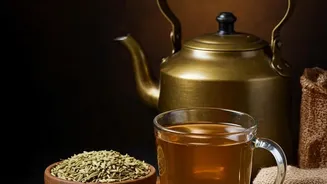
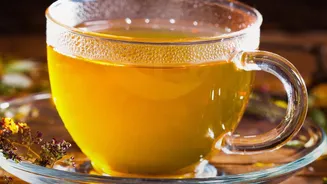
Perhaps the most celebrated of these infusions is the Kashmiri Kahwa, a golden-hued elixir that is as much a symbol of hospitality as it is a beverage. The history of this traditional tea is believed to be intertwined with the ancient Silk Road, which
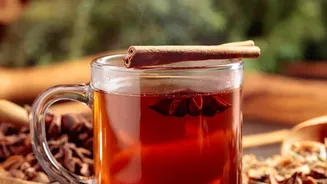
saw traders bring green tea, spices, and the art of blending to the valley. Traditionally prepared in a brass kettle called a samovar, Kahwa is a delicate brew of green tea leaves, whole spices like cardamom and cinnamon, and crowned with slivered almonds and precious strands of saffron. It is more than just a drink; offering a guest a steaming cup is a gesture of warmth and generosity, deeply embedded in Kashmiri culture and served at festivals, weddings, and family gatherings.
The Ladakhi Exception: Beyond Butter Tea
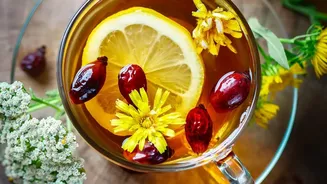
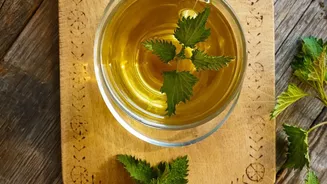
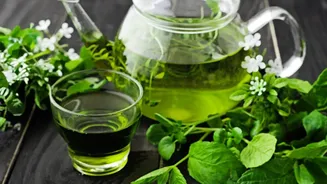
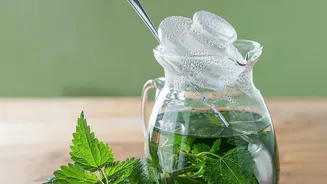
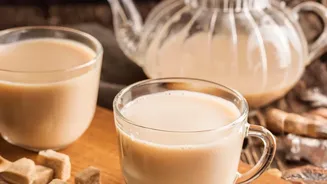
While Ladakh is famous for its salty and rich 'Gur Gur Chai', or butter tea, which contains milk and yak butter, the region's beverage story doesn't end there. The harsh, high-altitude climate necessitates drinks that provide warmth and energy. Local traditions also include a variety of herbal teas brewed with mountain botanicals like wild mint or sea buckthorn leaves, which grow in the lower altitude valleys. These infusions are often consumed for their believed healing properties and offer a soothing, caffeine-free alternative. Though less famous than its buttery counterpart, these herbal brews are a testament to the resourcefulness of Ladakhi cuisine and its deep connection to the surrounding environment.
Herbal Brews of Sikkim and the East
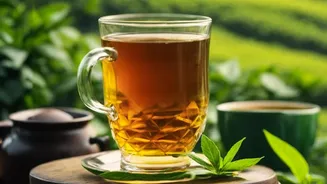
Journeying to the Eastern Himalayas, Sikkim offers its own unique chapter in the story of mountain infusions. As a state celebrated for its organic farming, Sikkim produces high-quality teas, including green and oolong varieties that serve as a base for local drinks. The region’s biodiversity provides a vast apothecary of medicinal plants that are often used in Ayurvedic traditions. Locals have long utilised herbs like Jatamansi for its calming properties and Kutki for wellness. While many teas from this region are enjoyed as pure black or green varieties, the culture of herbal infusions made from local flora for health and rejuvenation is a strong and continuing tradition.
The Soul of the Spices
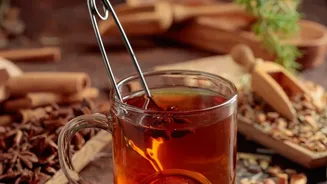
What unites these diverse regional drinks is the thoughtful use of spices. Cinnamon, cloves, cardamom, and ginger are not just flavouring agents; they are the heart of these infusions. In the cold Himalayan climate, these spices are traditionally believed to provide a warming effect, aid digestion, and boost immunity. The specific blend of spices can vary from region to region, and even from family to family, creating unique recipes passed down through generations. This tradition reflects a deep, historical understanding of how to use local flora not just for taste, but for overall well-being, a practice that originated centuries ago along ancient trade routes.