




From Material to Experiential
The definition of a dream home is shifting from conspicuous consumption to conscious well-being. This evolution, accelerated by the pandemic, has seen homeowners re-evaluate their spaces, not just as assets, but as sanctuaries that must support work,
family, and mental health. The focus has moved from merely looking good to feeling good. As a result, the most sought-after features in today's luxury market are increasingly invisible. They are the purity of the air, the absence of intrusive noise, and the calm that comes from uncluttered, thoughtfully designed spaces. This is the rise of wellness real estate, a sector that has seen explosive growth by prioritising environments that reduce stress and enhance quality of life.
The Luxury of Breathing Easy
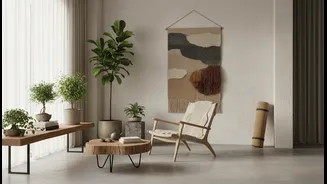
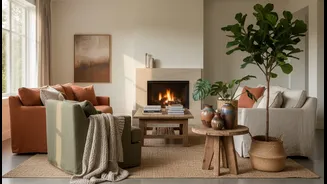
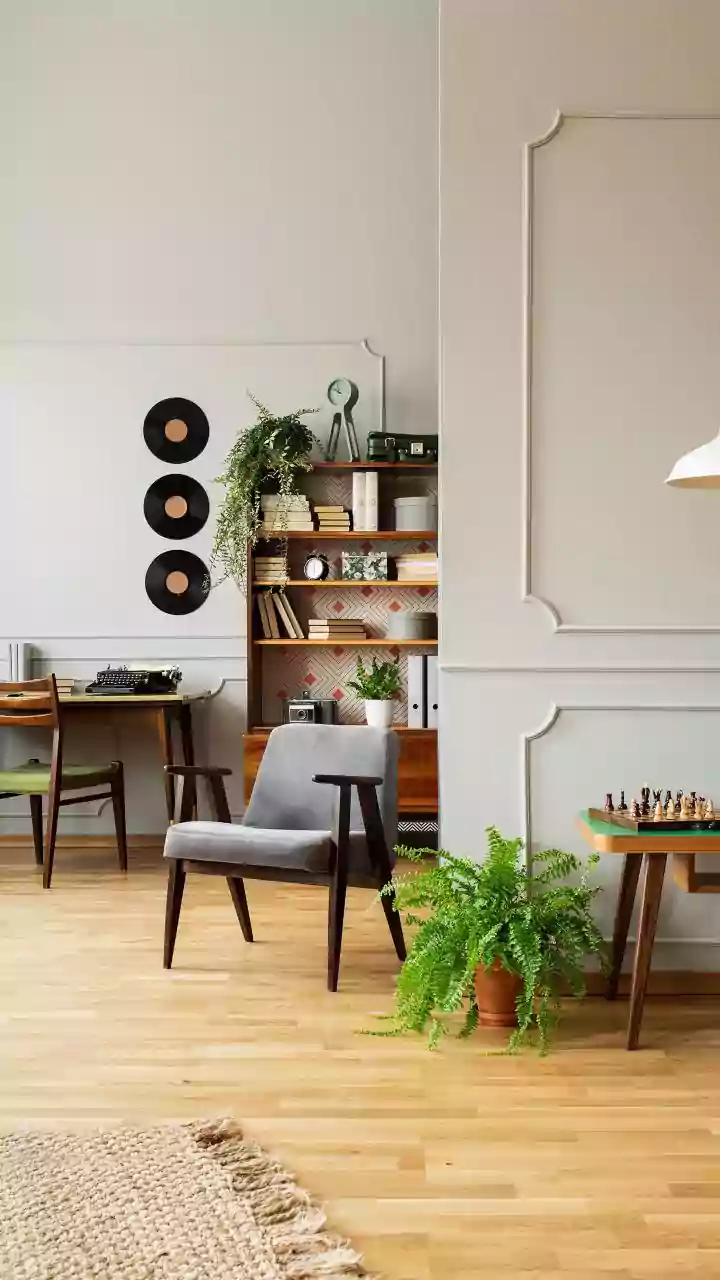
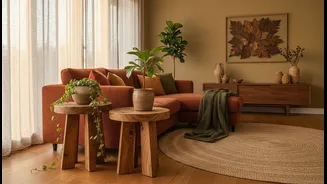
Once taken for granted, air quality is now a primary concern. The post-pandemic world has brought a heightened awareness of indoor pollutants and airborne pathogens, turning clean air into a coveted feature. In response, luxury homes are integrating advanced, whole-home ecosystems that monitor and adjust air quality, humidity, and temperature in real time. These systems go beyond simple filters, incorporating hospital-grade ventilation and using non-toxic, low-VOC building materials and paints to ensure the indoor environment is as pure as possible. This trend is coupled with biophilic design, which brings nature indoors through living walls, indoor gardens, and abundant plant life to naturally improve air quality and mood. It’s about creating a home that feels like a safe haven, where every breath is a healthy one.
The Sound of Silence
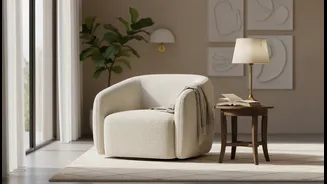
In a world of constant digital noise and urban clamour, true silence has become a rare commodity. Acoustic wellness is now a critical component of luxury design, transforming a home from a beautiful but potentially restless space into a truly peaceful retreat. Architects are no longer just designing how a room looks, but how it sounds, using a combination of soundproofing and acoustic treatment. Soundproofing aims to block external noise and prevent sound from travelling between rooms, using techniques like high-performance windows, solid-core doors, and decoupled wall structures. Acoustic treatment, on the other hand, controls how sound behaves within a room, reducing echo and reverberation. This is often achieved invisibly through acoustic plaster, perforated wood panels, or by integrating sound-absorbing materials like wool, linen, and felt into the decor, proving that a quiet home doesn't have to sacrifice style.
Creating Visual Breathing Room
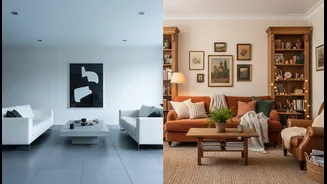
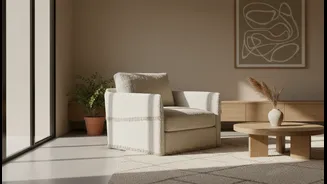
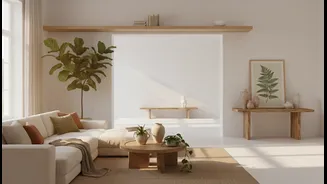
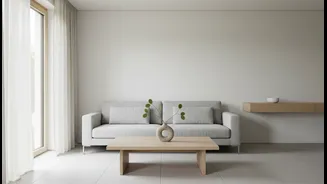
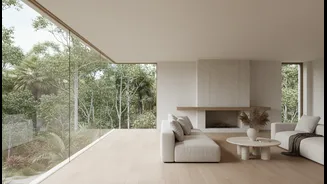
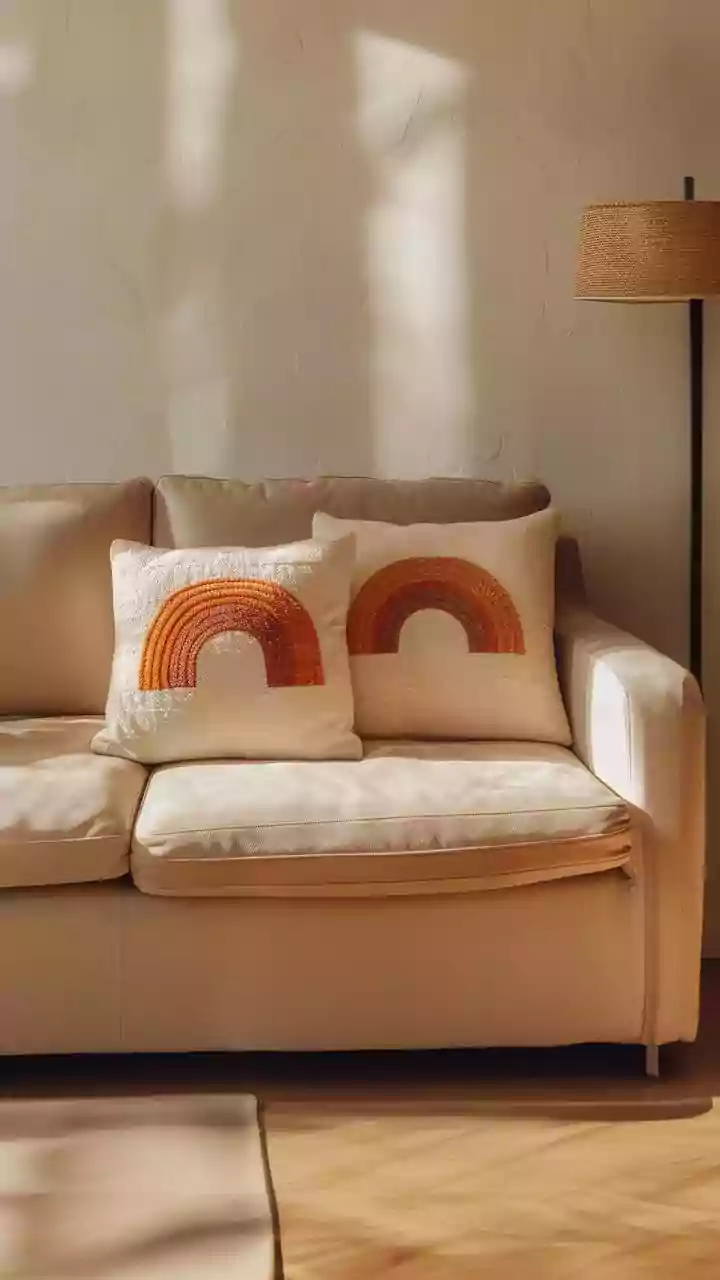
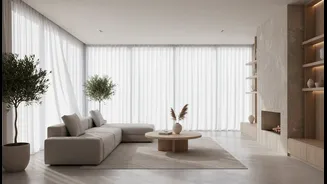
The final element of this new trinity of luxury is 'visual breathing room'. This concept, rooted in minimalism and Japanese design principles, is about the strategic use of empty space. It’s not about stark emptiness, but about creating a sense of calm and order by allowing objects and furniture room to stand on their own. A cluttered environment can increase stress and mental fatigue. By editing down to what is essential and beautiful, designers create interiors that feel intentional and serene. This is achieved through warm minimalism—using soft, organic shapes, natural textures, and a muted, earthy colour palette to create spaces that are simple but not sterile. Negative space, or the area left intentionally blank, becomes an active element, guiding the eye, highlighting focal points, and giving the mind a place to rest.