






The Simple Benefits of Seasonal Eating
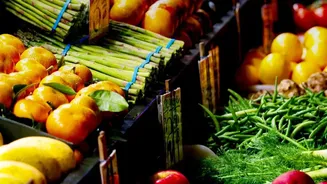
Choosing to cook with seasonal produce is more than just a trend; it's a smart and healthy approach to eating. When fruits and vegetables are harvested in their natural season, they are at their peak in terms of flavour and nutritional value. Produce
that ripens on the plant develops more nutrients than items picked early to be shipped long distances. This means you get food that not only tastes better but is also packed with more vitamins and antioxidants. Furthermore, seasonal eating is kinder to your wallet. When produce is in season, it's abundant, which drives down prices at local markets. This practice also encourages dietary variety, introducing different foods and nutrients into your diet throughout the year, which is beneficial for overall health and can help reduce the risk of chronic diseases.
September's Fruit Basket
September in India marks a shift from the heavy monsoon, bringing forth a delightful array of fruits. Look for pomegranates, which are rich in antioxidants and perfect for adding a juicy crunch to salads and yoghurt. Pears also come into season, offering a sweet, fibrous snack that's great for digestion. Apples begin to make a strong appearance, providing a versatile fruit for snacking, baking, or cooking. Guavas and papayas continue to be excellent choices, both known for being immunity boosters packed with fibre. Depending on your region, you may also find the last of the season's jamun or the beginning of the custard apple season. Incorporating these into your daily diet is a simple way to enjoy the month's freshest flavours.
Vegetable Harvest This Month
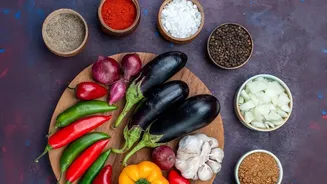
The vegetable selection in September is perfect for making light, hydrating, and detoxifying meals. An abundance of gourds like bottle gourd (lauki), ridge gourd (turai), and pumpkin (kaddu) are available. These vegetables are gentle on the digestive system and great for post-monsoon recovery. Bitter gourd (karela) is particularly beneficial this month for its detoxifying properties. Leafy greens like spinach (palak) are also excellent choices. You will also find brinjal (baingan), cauliflower, cabbage, beans, and carrots in the markets. These vegetables form the perfect base for a variety of Indian dishes, from simple stir-fries and curries to wholesome soups and stews.
Building Your Weekly Meal Plan
Meal planning with seasonal produce requires a slight shift in mindset. Instead of deciding on recipes and then shopping for ingredients, let the available produce guide your meal choices. Start by visiting your local market to see what looks freshest and is priced well. Make a list of the seasonal vegetables and fruits you've purchased. From there, think in terms of meal templates rather than rigid recipes. For example, you can plan for a 'curry night' using pumpkin or bottle gourd, a 'stir-fry night' with beans and carrots, and a 'paratha day' with a spinach or cauliflower filling. This flexible approach allows you to be creative and make the most of what's fresh. Don't forget to plan for snacks, using fruits like pears and apples.
Simple Meal Ideas for September
You don't need complex recipes to enjoy seasonal food. For breakfast, try a simple papaya or pomegranate bowl with a sprinkle of seeds. For lunch, a salad with fresh greens, sliced pear, and a light vinaigrette is both refreshing and filling. Dinner can be a simple lauki chana dal, a pumpkin curry, or a brinjal bharta served with warm rotis. A stir-fry with a mix of seasonal vegetables like beans, carrots, and cauliflower is a quick and healthy weeknight option. You can also make a large batch of vegetable soup at the beginning of the week for easy lunches. By focusing on simple preparations, you let the natural flavours of the fresh produce shine through while saving time in the kitchen.