







The Illusion of Infinite Digital Money
When you hand over a crisp ₹500 note and get change back, you feel the expense. Your wallet gets lighter. Digital payments, however, create a psychological distance from your money. A quick scan and a four-digit PIN make spending feel frictionless, almost
unreal. This is what experts call the reduced “pain of payment.” For students, who are often managing a tight budget for the first time, this can be a dangerous illusion. The instant gratification of a purchase is amplified, while the reality of a dwindling bank balance is delayed until you check your statement. This digital detachment can lead to impulsive buying and make it significantly harder to stick to a budget, a phenomenon observed in studies on youth spending habits. A daily limit acts as a crucial reality check, forcing a pause and making you conscious of your spending in real-time.
A First Step Towards Financial Literacy
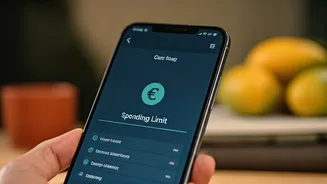
Setting a spending limit isn’t just about restriction; it's about empowerment. It's your first practical lesson in budgeting and financial planning, skills that will serve you for a lifetime. The standard UPI limit is a generous ₹1 lakh per day, a sum far beyond the daily needs of most students. By proactively setting a personal, realistic limit—say, ₹500 or ₹1,000—you are making a conscious decision about your money. You are telling yourself, "This is what I can afford to spend today." This simple action transforms you from a passive spender into an active manager of your own finances. Research indicates a strong need for improved financial literacy among young UPI users, as many do not actively track their digital expenses despite the ease of doing so. A self-imposed limit is a foundational tool for building this much-needed awareness and discipline.
How to Set Your Daily UPI Limit
The good news is that setting a limit is straightforward, though the method can vary. Many popular UPI apps like Google Pay and PhonePe do not have a built-in feature to set a custom daily limit directly within the app. Instead, this control often lies with your bank. You can typically set or adjust your daily UPI transaction limit by logging into your bank’s official net banking portal or mobile banking app. Look for sections like “Manage Limits,” “UPI Settings,” or “Transaction Controls.” Banks such as HDFC, ICICI, and SBI are known to offer this functionality. If you can't find the option, another effective strategy is to use a separate bank account for your UPI app that you keep a limited balance in. This acts as a natural spending cap, protecting your main savings from accidental overspending.
An Essential Shield Against Fraud and Mistakes
Student life is hectic, and mistakes happen. You could lose your phone or accidentally fall for a phishing scam. While UPI is generally secure, a high default transaction limit exposes you to significant financial risk. If someone gains unauthorized access to your account, they could potentially drain a large sum of money quickly. By setting a lower daily limit, you cap your potential loss. It’s a simple security measure that provides a powerful safety net. This is especially critical for new UPI users, who already face a temporary ₹5,000 limit for the first 24 hours as a fraud prevention measure. Taking control of this limit yourself is a logical next step in securing your account for the long term. It ensures that a single mistake or moment of vulnerability doesn't turn into a financial catastrophe.