

Understanding the Low-Water Philosophy
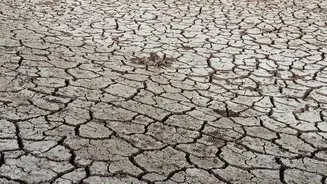
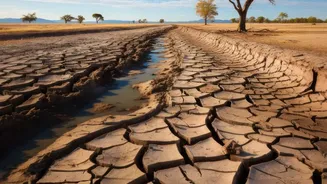
Low-water gardening, often called xeriscaping, is a design philosophy centred on water conservation. It’s not about creating a barren landscape of gravel and cacti; it's about making smart, sustainable choices to create a vibrant garden that is resilient
to dry spells and requires less maintenance. The goal is to work with our climate, not against it, by selecting plants adapted to local rainfall patterns and using techniques that keep moisture in the soil. By embracing this approach, home gardens can transform from high-consumption spaces into eco-friendly havens that can cut outdoor water use by 50 to 75 percent.
Start from the Ground Up: Soil and Mulch
The foundation of any successful low-water garden is healthy soil. Soil rich in organic matter, like compost, acts like a sponge, holding onto moisture and releasing it slowly to plant roots. This reduces the need for frequent watering and helps prevent runoff. Before planting, it's wise to amend your soil with compost. Once your plants are in, apply a generous layer of organic mulch, such as wood chips or shredded leaves, around their base. This layer insulates the soil, suppresses water-stealing weeds, and dramatically reduces evaporation from the surface.
Right Plant, Right Place
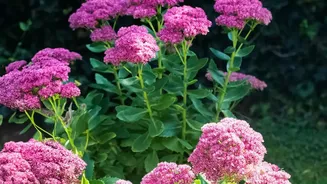
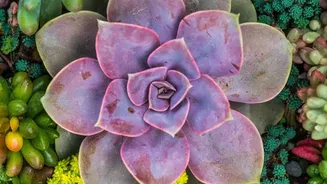
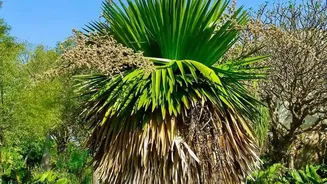
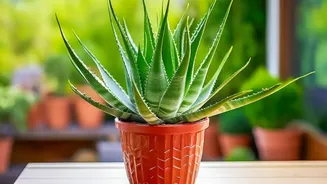
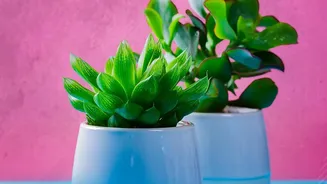
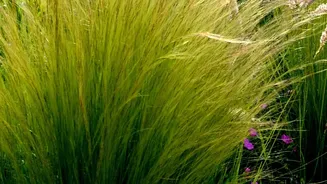
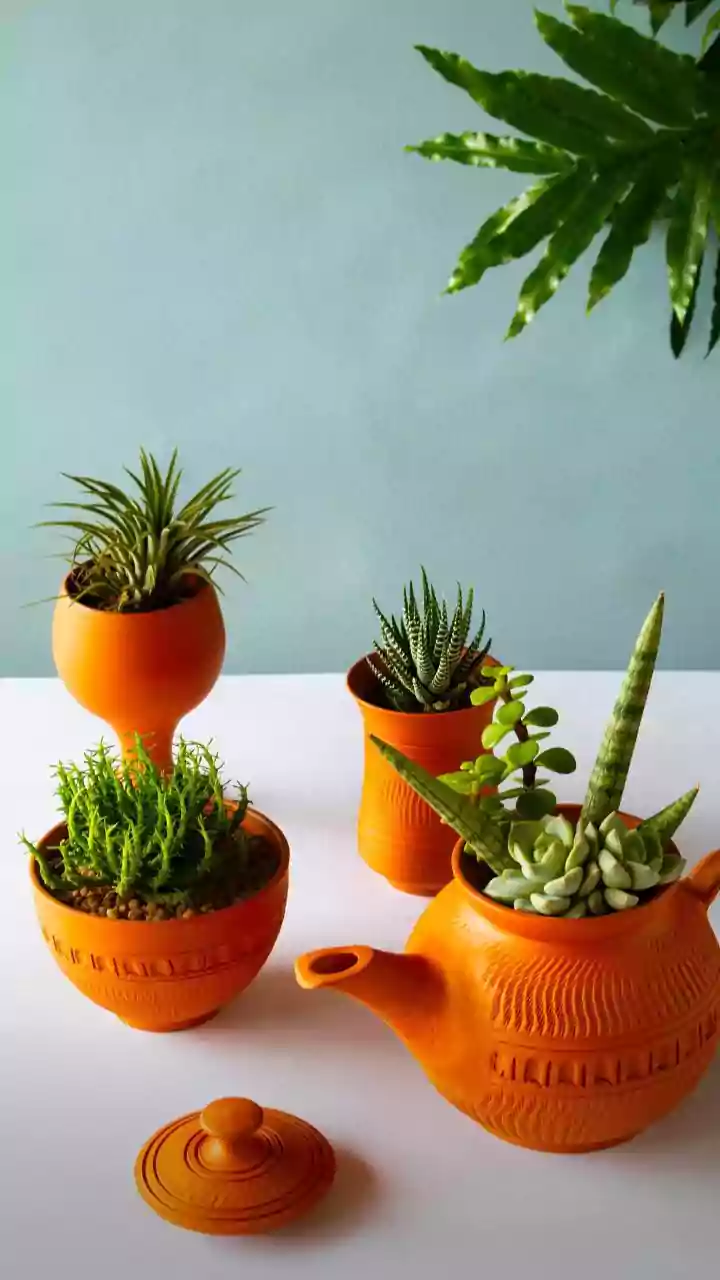
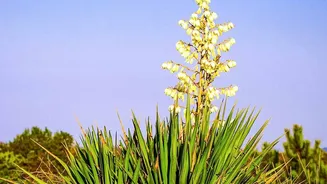
Plant selection is the most crucial element. Instead of water-hungry exotics, choose native and drought-tolerant species that are naturally suited to India's climate. Plants like Bougainvillea, with its vibrant colours, hardy succulents like Aloe Vera and Agave, and resilient trees like Neem are excellent choices that require minimal watering once established. Many flowering perennials and native grasses also have deep root systems that make them incredibly drought-resistant. The key is to match plants to your specific local conditions, including sun exposure and soil type.
Design with Water in Mind: Hydrozoning
A smart low-water garden groups plants together based on their water needs, a practice known as 'hydrozoning'. Place thirsty plants, like vegetables or certain flowers, in a single, easily accessible area. This allows you to water that small zone efficiently without overwatering the drought-tolerant plants elsewhere in the garden. This simple organisational principle is one of the most effective ways to reduce water waste and ensure all your plants get exactly the moisture they need to thrive.
Rethink the Traditional Lawn
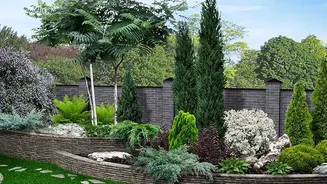
The classic green lawn is the single most water-intensive part of most gardens. A significant step in reducing water demand is to shrink or eliminate lawn areas that are purely decorative. Consider replacing unused turf with beds of native groundcover, attractive permeable paving like gravel paths, or extended planting areas filled with drought-tolerant species. If you must have a lawn, keep it only in areas used for recreation and choose hardy, drought-resistant grass varieties.
Water Smarter, Not Harder
How and when you water makes a huge difference. Avoid inefficient overhead sprinklers, which lose a large percentage of water to evaporation. Instead, use drip irrigation or soaker hoses that deliver water directly to the plant roots with minimal waste. The best time to water is in the cool of the early morning or late evening to further reduce evaporation. Water deeply and less frequently to encourage plants to develop deep, strong roots that are better able to find moisture during dry periods.