





From Selfie to Skin Analysis
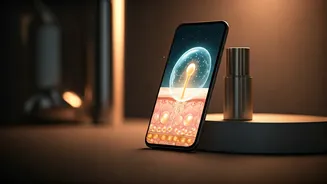
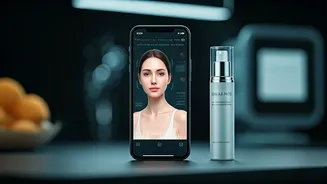
The concept sounds like science fiction, but it's rapidly becoming a mainstream feature for major beauty brands and tech startups. Users download an app, take a makeup-free selfie in good lighting, and within seconds, an AI-powered engine analyzes the
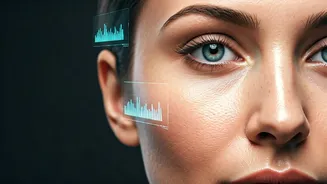
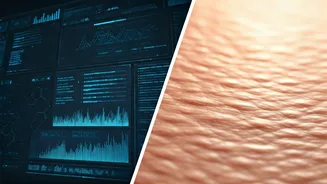
photo. It scans for a wide range of cosmetic concerns, including the size of pores, fine lines, hyperpigmentation, skin texture, and redness. The artificial intelligence has been trained on vast databases, some containing tens of thousands of clinically graded images of diverse skin types, tones, and ages. By comparing your selfie to this data, the algorithm generates a detailed report, scoring your skin on various metrics and even estimating a 'skin age'.
The Promise of Hyper-Personalization
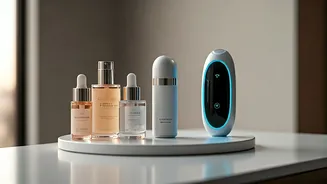
The ultimate goal is to end the cycle of trial-and-error that defines many people's experience with skincare. Instead of relying on broad product categories like 'for oily skin' or 'anti-aging', these apps recommend specific ingredients and products tailored to your scan results. If your analysis flags uneven texture, the app might suggest a routine with glycolic acid. If dehydration is the main issue, hyaluronic acid-based products will be prioritized. Some advanced systems can even track your progress over time, adapting recommendations as your skin changes. This data-driven approach promises a more efficient, targeted, and effective way to care for your skin, reducing waste on products that don't work for you.
Accuracy and Its Inconsistencies
But how accurate is a diagnosis from a selfie? The answer is complicated. For cosmetic surface-level assessments—like identifying fine lines, pore size, or uneven tone—studies show the technology can be quite reliable, especially when lighting and camera quality are consistent. Some companies claim accuracy rates as high as 95% when compared to dermatologist consultations for these cosmetic issues. However, accuracy can drop significantly for more complex dermatological conditions. Several studies have shown that many apps perform poorly when it comes to identifying serious medical issues, including skin cancer. One study found an average diagnostic accuracy of just 22% across several popular apps.
The Question of Bias and Privacy
Beyond accuracy, two significant concerns loom over this technology: bias and data privacy. Many AI models have been trained on datasets that under-represent darker skin tones, leading to biased and less accurate results for a large portion of the global population. A 2025 study in Hyderabad, India, found that diagnostic accuracy declined with darker skin tones, with the poorest performance for pigmentary disorders. Then there's the issue of your data. Uploading a facial image, which can be classified as biometric data, raises serious privacy questions. Consumers should be aware of how their data is stored, who it's shared with, and for what purpose. While many companies state that images are deleted after analysis, the sensitive nature of health and facial data requires a high degree of user trust and corporate transparency.
A Tool, Not a Doctor
Experts agree that while these AI tools are a revolutionary step for cosmetic skincare and consumer engagement, they are not a substitute for a board-certified dermatologist. A selfie can't show a doctor the texture, firmness, or depth of a lesion in the same way a physical examination can. The primary risk is either a false reassurance, where the app dismisses a potentially serious issue, or a false alarm that causes unnecessary anxiety. For now, the best use of this technology is as a supplementary tool. It can empower you to understand your cosmetic skin concerns better and track the effectiveness of your routine, but it cannot and should not replace professional medical diagnosis for health-related skin issues.