


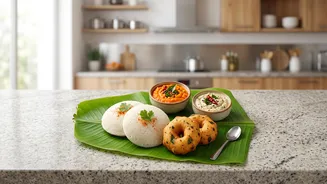
Ever eaten a quick breakfast only to feel your stomach rumbling by 11 a.m.? The solution might not be a bigger meal, but a smarter one. The time-tested wisdom of a traditional Indian breakfast offers a powerful lesson in lasting energy.
The Science of Feeling Full
The feeling of
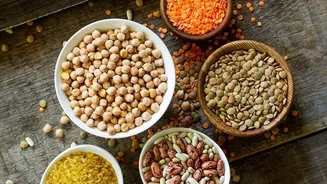
fullness, or satiety, isn't just about a filled stomach; it's a complex conversation between your gut and your brain. This dialogue is heavily influenced by the nutrients you consume. The three key players for long-lasting satiety are protein, fiber, and complex carbohydrates. Protein is the undisputed champion of fullness. It takes longer to digest and triggers the release of gut hormones that signal to your brain that you are satisfied. Fiber, found in plants, adds bulk to your meal and slows down digestion, which helps prevent sharp spikes and crashes in blood sugar. Together, protein and fiber are a powerful duo for appetite control. In contrast, simple sugars and refined carbohydrates, the hallmarks of many fast-food options, are digested quickly. This causes a rapid rise in blood sugar followed by a swift crash, which your brain interprets as a signal for more food, leading to premature hunger.
A Look at the Traditional Plate
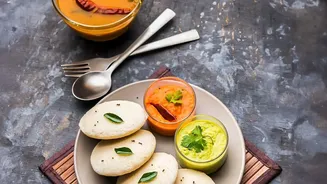
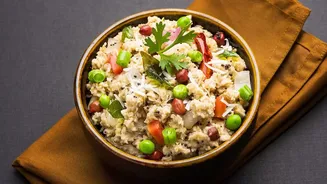
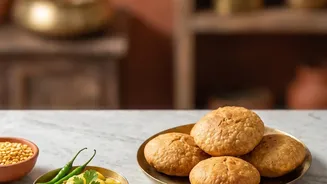
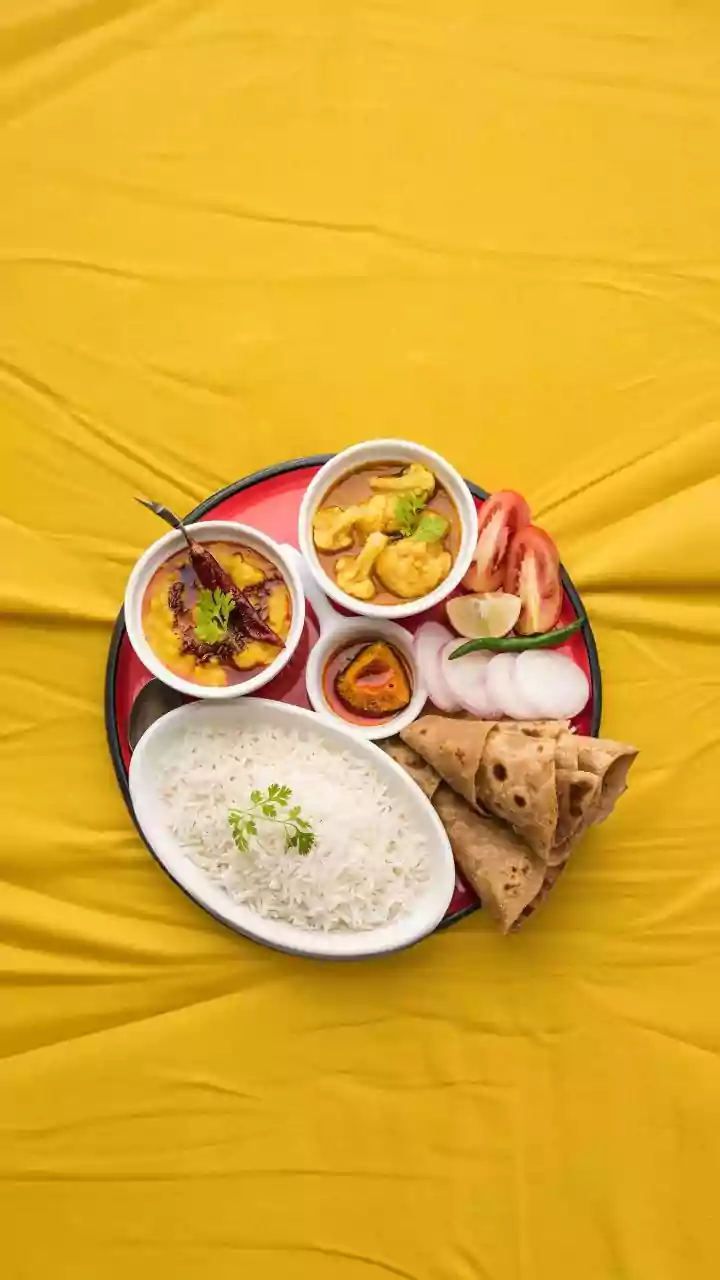
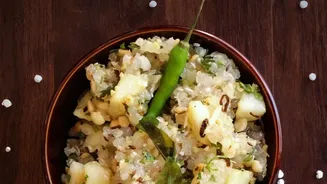
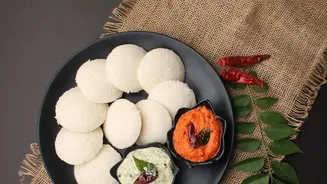
A traditional Indian breakfast plate is a masterclass in balanced nutrition, naturally designed for sustained energy. Consider a few classics. A plate of poha, made from flattened rice, is a source of complex carbohydrates and iron. When cooked with vegetables and a handful of peanuts, it becomes a balanced meal with added fiber and healthy fats. Similarly, South Indian staples like idli and dosa are made from a fermented batter of rice and lentils. Fermentation not only makes these foods easier to digest but also increases the bioavailability of nutrients. When paired with sambar, a lentil-based stew, the meal delivers a significant dose of plant-based protein. Other options like moong dal cheela (a protein-rich savory pancake) or a whole-wheat paratha stuffed with methi (fenugreek leaves) provide a combination of protein, fiber, and complex carbs that work together to keep you full and focused.
The Fast Food Downfall
Now, let's compare that to a typical fast-food breakfast. A doughnut, a sugary cereal, or a croissant might provide a quick burst of energy, but it's short-lived. These items are primarily made of refined flour and sugar—simple carbohydrates that your body burns through rapidly. They lack the protein and fiber needed to slow digestion and regulate blood sugar. The result is the classic 'sugar crash'. Your energy levels plummet, and your brain receives strong hunger signals, often leading you to snack on more high-sugar foods. This creates a cycle of energy spikes and troughs, which can affect not just your hunger levels but also your mood and concentration throughout the day. While convenient, these options are built for speed, not for sustained nourishment.
Beyond the Macronutrients
The benefits of traditional Indian breakfasts extend beyond just the main nutrients. The methods of preparation play a crucial role. Steaming, as used for idli, is a fat_free cooking method that preserves nutrients. The process of fermentation in idli and dosa batter partially breaks down proteins and starches, making them easier on the digestive system and improving nutrient absorption. Furthermore, the inclusion of spices like turmeric, cumin, and mustard seeds in dishes like poha and upma isn't just for flavour. These spices have been used in Ayurveda for centuries for their digestive and anti_inflammatory properties. This holistic approach—combining whole ingredients, smart cooking methods, and beneficial spices—creates a meal that is far more than the sum of its parts.
Making the Traditional Choice Work for You
In our fast_paced lives, the allure of a quick, ready_to_eat breakfast is understandable. However, embracing traditional options doesn't have to be complicated. Many Indian breakfasts can be prepared quickly. Poha, for example, cooks in minutes. Dosa and idli batter can be made over the weekend and stored for several days. Even simple swaps can make a difference. Choosing a vegetable_stuffed whole_wheat paratha over a plain white_flour pastry provides a significant boost in fiber and nutrients. The key is to focus on incorporating meals that are built on a foundation of complex carbs, protein, and fiber. These are the meals that have fueled generations, providing steady energy long before the term 'biohacking' was ever coined.