

The Philosophy of a Warm Start
Unlike many Western breakfasts that are often cold and sugar-reliant, a traditional Indian breakfast is typically warm, savoury, and built to provide sustained energy. Meals like poha, upma, and idli are designed to be both nourishing and easy to digest,
combining complex carbohydrates, proteins, and healthy fats. This approach provides a steady release of energy, crucial for maintaining focus through long lectures and study sessions, rather than the quick spike and crash from sugary cereals.
Lesson 1: The Power of the Batter
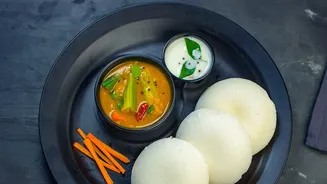
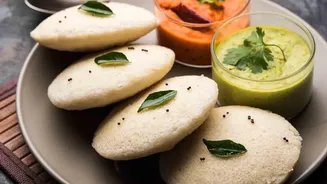
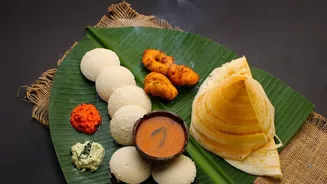
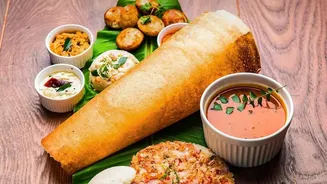
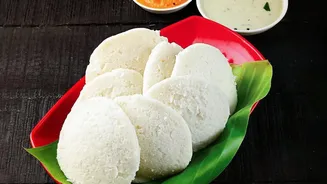
The cornerstone of South Indian breakfast prep is the versatile idli and dosa batter. Made from a simple blend of fermented rice and lentils, a large batch can be prepared over the weekend and stored in the fridge for up to a week. This single batter yields two distinct breakfast types: soft, steamed idli (savoury rice cakes) one day, and crispy, pan-fried dosas (crepes) the next. The fermentation process not only adds a delicious tangy flavour but also introduces probiotics that aid digestion. For a student, this means a hot, protein-rich breakfast is always just a few minutes of steaming or frying away.
Lesson 2: The Genius of Dry Mixes
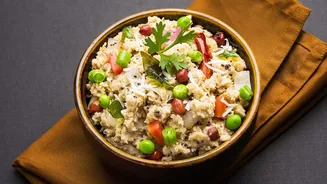
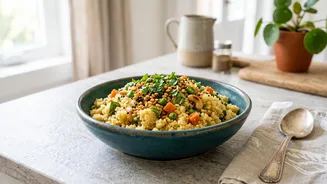
Upma, a thick porridge made from semolina (sooji), is another breakfast champion that’s perfect for prepping. The trick is to create a ready-to-use dry mix. On a Sunday, you can roast the semolina and a tempering of mustard seeds, lentils, and curry leaves. Store this aromatic mix in an airtight container. On a busy weekday morning, all you need to do is boil water, add the mix, and stir for about five minutes until you have a fluffy, savoury porridge. You can easily toss in some frozen peas or carrots for added nutrition.
Lesson 3: The Quick-Soak Method
Poha, or flattened rice, is perhaps the quickest 'instant' breakfast in the Indian culinary arsenal. These paper-thin rice flakes require almost no cooking. The meal prep involves simply having your chopped onions, peanuts, and spices ready. To prepare, you rinse the poha under water for a minute until it softens. Then, you just toss it into a pan with the sautéed onions and spices for a couple of minutes. The entire process, from pantry to plate, can take as little as 15 minutes, offering a light yet filling meal that's packed with carbohydrates for energy.
Lesson 4: Make-Ahead Savoury Pancakes
Move over, sweet pancakes. Indian cuisine offers a variety of savoury pancakes called 'chilla' that are perfect for meal prep. Made from lentil or chickpea flour (besan), the batter can be whisked together in minutes and stored in the fridge for a few days. These pancakes are high in protein, making them incredibly satiating. You can add grated vegetables like carrots or spinach directly into the batter for a nutritional boost. Cook them for a couple of minutes on each side, and you have a fast, healthy meal that can even be eaten on the go.
Lesson 5: Flavour in a Jar
No Indian breakfast is complete without its accompaniments, and these are a meal prepper's dream. Chutneys, like coconut or mint-coriander, can be blended in a large batch and stored for a week. Similarly, 'podi' (spicy lentil powders) can be made in bulk and stored for months. These flavourful additions can instantly elevate a simple idli or dosa, providing variety and taste with zero morning effort. It’s the ultimate lesson in working smart, not hard, in the kitchen.