



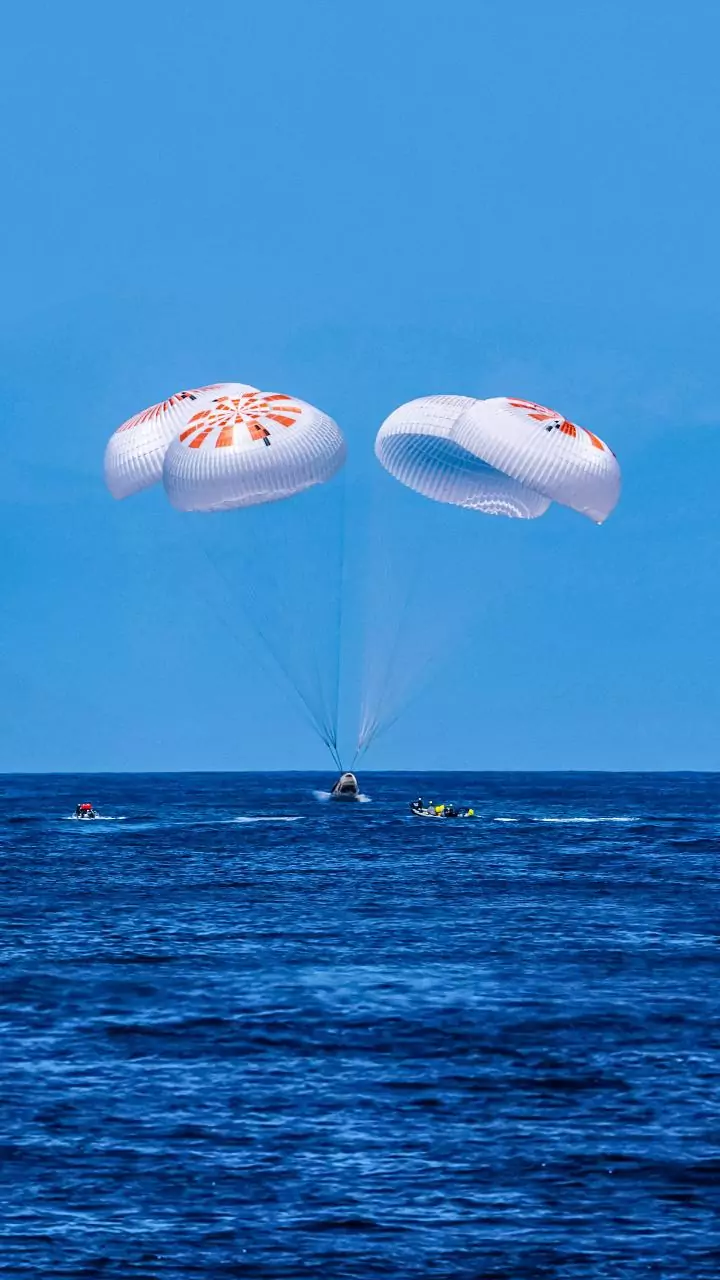
A treasure trove of scientific research just made a fiery return to Earth. A SpaceX Dragon capsule recently splashed down, bringing back vital experiments from the International Space Station, including key data on astronaut sleep.
A Successful Splashdown
SpaceX's 35th Commercial
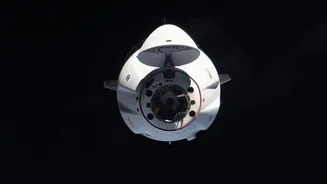
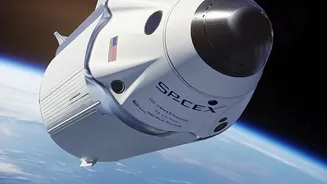
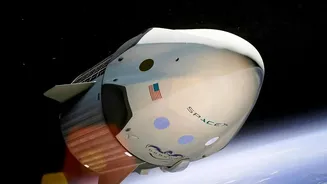
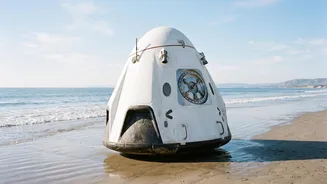
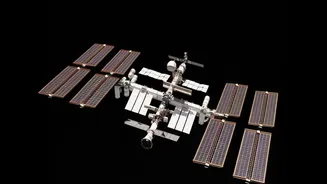
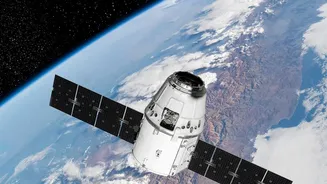
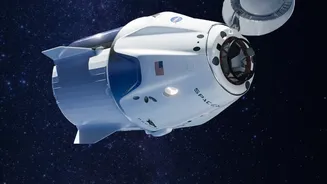
Resupply Services (CRS) mission for NASA has successfully concluded with the splashdown of its Dragon spacecraft off the coast of California. The uncrewed capsule, which launched on October 13, spent over a month docked at the International Space Station (ISS) before undocking on November 20. After a journey of about 29 hours, it parachuted into the Pacific Ocean, where recovery teams were waiting to retrieve it and its precious cargo. Dragon is currently the only cargo vehicle capable of returning significant amounts of material from the ISS back to Earth, making these missions critical for science.
More Than Just Cargo
CRS missions are the backbone of the scientific work done on the ISS. This flight, CRS-35, delivered over 6,300 pounds of supplies and new experiments to the orbiting laboratory. This included the final pair of new ISS Roll-Out Solar Arrays (iROSAs) to upgrade the station's power systems. The partnership between NASA and commercial companies like SpaceX ensures a steady flow of research materials to and from space. This allows scientists on the ground to leverage the unique microgravity environment to conduct studies not possible on Earth, with the returned samples providing invaluable data for analysis.
The Challenge of Sleeping in Space
Among the returned items was equipment from a study on astronaut well-being: a lighting system tested for its potential to support sleep during long missions. Getting quality sleep in orbit is a persistent challenge. Astronauts face an environment with no natural day-night cycle, witnessing a sunrise every 90 minutes. This, combined with microgravity, equipment noise, and the stress of the job, disrupts the body's natural rhythms. Studies have shown that astronauts often get less sleep than the scheduled 8.5 hours, with many relying on sleep medication. Poor sleep can impair cognitive function, which is a major safety concern for mission-critical tasks.
High-Tech Sleep Tracking
To better understand and mitigate these issues, various technologies are being tested to monitor sleep non-invasively. Past and ongoing experiments have used wearable sensors that function like advanced fitness trackers, collecting data on motion, heart rate, and other physiological signals. Some studies use devices like an ear-EEG to measure brain activity, while others have employed smart masks or sensor-embedded garments to conduct the equivalent of a full polysomnography (a clinical sleep study) without cumbersome wires. The goal is to get a precise picture of sleep quality to develop effective countermeasures, ensuring crews are well-rested and performing at their peak.
From Orbit to Lab in Hours
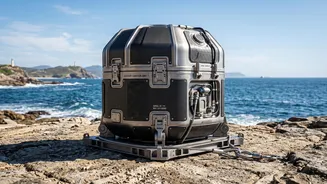
The return of the CRS-35 capsule kicks off a race against time. Once the Dragon is secured on the recovery vessel, time-sensitive scientific samples are immediately prepped for transport. A helicopter is often used to fly the most critical experiments, like biological samples that need to be kept at specific temperatures, back to land as quickly as possible. From there, they are distributed to research teams across the country. In addition to the sleep study hardware, CRS-35 returned 3D-bioprinted blood vessel models for cardiovascular research and frozen tumor organoids that could help advance cancer treatments.
Benefits for Life on Earth
While the immediate focus of this research is astronaut health, the findings have significant implications back on Earth. Understanding how to improve sleep in a constantly disruptive environment could help millions of people who suffer from sleep disorders. It could also benefit those in high-stress professions that involve shift work, such as doctors, pilots, and emergency responders. The technologies developed for space, from advanced sensors to new lighting systems, often find their way into consumer products and clinical settings, demonstrating how the quest to explore space directly improves life on our own planet.