



Embracing your natural curls is a journey of celebration, not a battle against frizz. Two of the most powerful tools in your arsenal are effective gel styling and a thoughtful overnight care routine. Here's how to master both for happy, healthy curls.
Why Gel Is a Curl's Best Friend
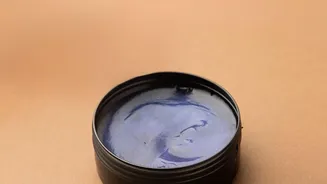
For years, hair gel got a bad reputation for creating stiff, flaky, or unnatural styles. But for those with curly hair, modern formulations are nothing short of miraculous. The primary function of a good gel is to provide hold and definition. When applied to wet hair, gel forms a protective layer around each curl clump. This layer, known as a 'gel cast', locks in moisture and holds the curl's shape as it dries, which is essential for preventing frizz and protecting your style from humidity and wind. The goal isn't a permanently crunchy look, but rather to create a temporary shield that sets your curls perfectly.
The Art of Applying Gel
Technique is everything when it comes to gel. For best results, always apply your gel to clean, very damp or soaking wet hair, ideally after you’ve applied a leave-in conditioner or curl cream. This ensures the product is distributed evenly and, most importantly, locks in the maximum amount of moisture. Use your palms to glaze the gel over sections of your hair in a downward motion, often called the 'praying hands' method. Once the hair is coated, flip your head forward and gently scrunch your curls upward towards the scalp. This motion helps encourage your natural curl pattern to form. Be patient and avoid touching your hair while it dries, as this can disrupt the curl clumps and create frizz.
Unlocking Soft Curls: Scrunch Out the Crunch
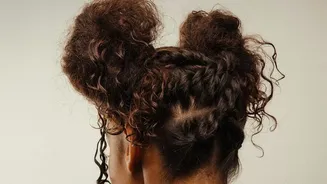
Once your hair is 100% dry, you will likely feel the firm, 'crunchy' gel cast. This is the sign that the gel has done its job. Now it's time to release the soft, defined curls hiding underneath using a technique called 'Scrunch Out The Crunch' (SOTC). You can do this with your bare hands by gently cupping sections of your hair and squeezing upwards towards the scalp until the stiffness disappears. For extra softness and shine while minimising frizz, rub a few drops of a lightweight hair oil between your palms before scrunching. The key is to be gentle; you're breaking the cast, not your curl pattern.
The Critical Role of Overnight Protection
You can have a perfect wash day, but if you sleep on your curls unprotected, you'll likely wake up to frizz, tangles, and flattened coils. Traditional cotton pillowcases create friction and absorb moisture from your hair, which roughs up the hair cuticle and leads to breakage. Protecting your curls overnight is not just about preserving your style for the next day; it's a crucial step in maintaining hair health, retaining moisture, and preventing long-term damage. A consistent nighttime routine means less time refreshing your hair each morning and healthier curls overall.
Your Overnight Curl Care Toolkit
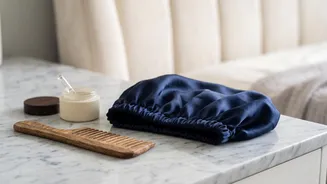
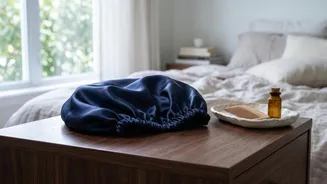
There are several simple and effective methods to protect your hair while you sleep. The 'pineapple' is a popular technique where you gather your hair into a very loose, high ponytail on top of your head, secured with a soft scrunchie. This lifts your curls off the pillow, reducing friction. For even more protection, especially for shorter hair, a satin or silk bonnet is invaluable. These materials create a smooth, low-friction barrier that helps hair retain moisture and keeps your curl pattern intact. If you find bonnets uncomfortable, simply switching to a satin or silk pillowcase can make a significant difference by allowing your hair to glide across the surface instead of snagging.