






Blood Vessels: A Tale of Two Tools
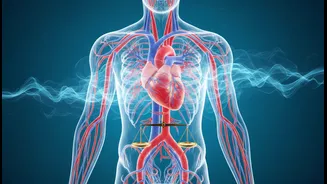
Healthy blood vessels are flexible, clear pathways for blood. Both exercise and medications like statins improve vascular health, but they work in different ways. Regular physical activity, especially aerobic exercise, directly improves the function of
the endothelium—the inner lining of your blood vessels. It enhances its ability to produce nitric oxide, a molecule that helps vessels relax and expand, promoting better blood flow and reducing stiffness. Think of it as keeping the pipes pliable. Statins, on the other hand, are powerful drugs that primarily work by lowering LDL ('bad') cholesterol, which is a key component of the plaque that can build up and harden arteries. While they also have some anti-inflammatory effects that benefit the endothelium, their main job is to reduce the blockages. Research suggests that while high-intensity exercise can be a powerful tool against arterial stiffness, some studies show high-dose statins may have a more significant effect on reducing it. The two aren't mutually exclusive; they are different tools for a complex job. For many, medication provides a baseline of protection that exercise can then build upon, creating a more comprehensive approach to cardiovascular health.
The Battle Against Inflammation
Chronic, low-grade inflammation is a silent driver of many metabolic diseases. Here, exercise shines as a potent, systemic anti-inflammatory agent. Regular physical activity reduces key inflammatory markers like C-reactive protein (CRP). It does this by several mechanisms: releasing anti-inflammatory substances from muscles called myokines, improving the function of immune cells, and reducing inflammatory hormones produced by excess fat tissue. Even a single 20-minute session of moderate exercise can trigger an anti-inflammatory cellular response. Medications can also target inflammation, but often in a more direct or sometimes less desirable way. Some pain relievers (NSAIDs) can reduce inflammation, but long-term use carries risks, and some studies suggest they may even interfere with the positive adaptations of exercise. Interestingly, some metabolic drugs like metformin have also been shown to lower CRP, but studies comparing it directly to exercise have found that metformin may sometimes blunt the full anti-inflammatory benefits gained from physical activity. This highlights that exercise's broad, natural anti-inflammatory effect is hard to replicate with a single pill.
Weight Maintenance: A Long-Term View
Losing weight is one thing; keeping it off is another challenge entirely. This is where the comparison between exercise and newer weight-loss medications like GLP-1 agonists (e.g., semaglutide) becomes crucial. GLP-1 agonists are highly effective for weight loss, often surpassing diet and exercise alone in the short term. They work primarily by suppressing appetite and slowing digestion. However, a significant concern is the loss of lean muscle mass along with fat, and the high probability of weight regain once the medication is stopped. Exercise, particularly strength training, is the undisputed champion of long-term weight maintenance. It builds and preserves metabolically active muscle tissue, which helps keep your resting metabolism higher. While exercise alone may not lead to the rapid, large-scale weight loss seen with GLP-1s, it is fundamental for sustaining weight loss over time. In fact, studies show that combining GLP-1 medications with a structured exercise program yields the best results: maximizing fat loss while preserving muscle and improving the chances of keeping the weight off after treatment ends.
The Verdict: Better Together
The debate over exercise versus medication often misses the most important point: it’s rarely an either/or choice. They are not competitors but potential partners in a holistic health strategy. Medications can be essential for managing high-risk conditions, providing a level of control that allows a person to safely begin and sustain an exercise routine. For instance, bringing high blood pressure under control with medication makes vigorous exercise safer. Similarly, the weight loss from a GLP-1 agonist can reduce joint pain, making movement more accessible. Research increasingly points toward synergistic effects. Combining metformin with exercise can lead to better glycemic control than either alone, even if the drug might slightly dampen some of exercise's peak effects. For many people managing metabolic health, the most powerful prescription is one that includes both a well-chosen medication and a consistent, personalized exercise plan. The medication acts as a targeted intervention, while exercise provides broad, foundational benefits that no pill can fully replicate.