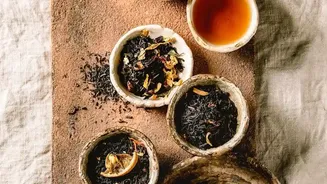


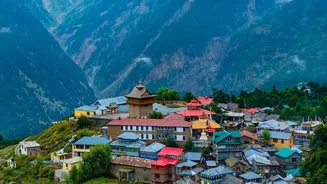

In the high altitudes of the Himalayas, tea is more than a simple beverage; it's a ritual of warmth and sustenance. Unlike a quick bag-in-a-cup, traditional brewing methods are slow, deliberate acts designed to honour the essence of the mountains.
A Ritual Rooted in Place
To understand
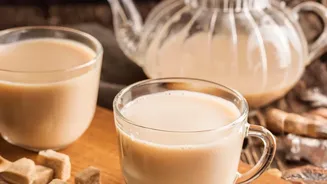
Himalayan tea, one must first understand the philosophy behind it. In these remote regions, life is deeply connected to the environment, and so is the tea-making process. The goal is not just to create a beverage but to craft a nourishing drink that provides energy in a harsh climate. This is most famously embodied in 'Po Cha' or 'Suja', the traditional butter tea. The process often starts with a potent black tea, sometimes a type of brick tea that is boiled for an extended period to create a strong concentrate called 'chaku'. This isn't about speed; it's about extracting the deepest character from the leaves, a flavour that speaks of the rugged land itself.
The Gentle Art of Slow Brewing
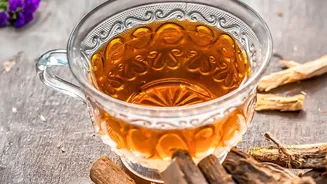
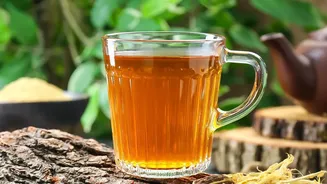
While butter tea is iconic, other Himalayan brewing styles also prioritize patience. Slow, low-heat brewing is often employed, especially when dealing with delicate mountain botanicals. Unlike rapid boiling, which can scald leaves and release bitter tannins, a gentle simmer allows complex flavours to unfurl gradually. This method is crucial for infusions using ingredients like rhododendron flowers, wild mint, tulsi, or chamomile, which grow across the Himalayan region. The slower extraction ensures that the subtle, aromatic oils of these botanicals are preserved, resulting in a brew that is fragrant and layered, not sharp or astringent.
Butter and Salt for Flavour and Function
The addition of butter—traditionally from a dri, the female of the yak species—and salt is perhaps the most distinctive feature of Himalayan tea. Far from being just a flavour choice, these ingredients are essential for survival, providing necessary calories and electrolytes. From a culinary perspective, the fat in the butter plays a critical role. It emulsifies with the tea, creating a creamy, rich texture. This process also mellows the bitterness of a strongly brewed tea and helps carry the flavours of any added herbs. The salt, meanwhile, doesn't just make the drink savoury; it enhances the other tastes, making the final brew more complex and satisfying. Some consider it more of a light, warming soup than a tea.
The Rhythmic Churn
The final step in making traditional butter tea involves churning. The brewed tea, butter, and salt are poured into a wooden cylindrical churn known as a 'chandong' or 'jasum'. The mixture is then churned vigorously by hand. This rhythmic churning is vital for more than just mixing; it aerates the tea, forcing the butterfat and water to emulsify into a smooth, homogenous liquid. The result is a frothy, rich consistency that is impossible to achieve by simply stirring. This aeration also changes the sensory experience, softening the flavours on the palate and integrating the salty, buttery, and earthy notes into a single, comforting whole. Many believe that the longer you churn, the better the tea tastes.
A Symphony of Mountain Botanicals
Beyond the famous butter tea, Himalayan communities have for centuries brewed the plants that grow around them. The Indian Himalayan Region alone is home to thousands of plant species, many of which are used in traditional wellness practices like Ayurveda. Herbs like stinging nettle (sisnu), lemongrass, and tulsi are not treated as aggressive 'treatments' but as gentle, daily support for digestion, immunity, and calm. The high altitude, clean air, and mineral-rich soil contribute to plants with potent aromas and essential oils. Traditional brewing respects this, using methods that allow the pure essence of these botanicals to shine, offering a true taste of the mountains in every cup.