


Why This Season Is Special
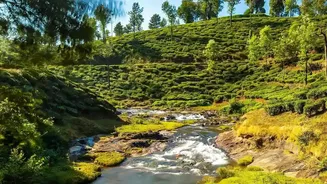
The period from October to December is a spectacular time for a jungle safari. After months of rain, the forests are dense and vibrant, rivers and waterholes are full, and the air is fresh and crisp. This post-monsoon greenery not only creates a stunning
backdrop for photography but also influences animal behaviour. With abundant water, animals are more active and can be seen across the park rather than just concentrated at a few remaining water sources as in the hot summer months. The closure of most parks during the monsoon allows the ecosystem to recover without human disturbance, meaning you'll be one of the first to witness the revitalised wilderness as they reopen.
Top Parks to Visit in North & Central India
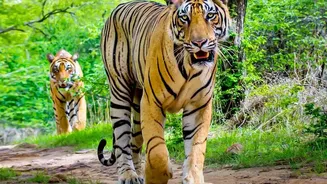
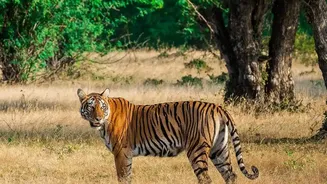
Many of India's most famous tiger reserves reopen their gates in October. In Uttarakhand, Jim Corbett National Park’s Jhirna and Bijrani zones typically open around mid-October, with the core Dhikala zone following in mid-November. Here, the lush foothills of the Himalayas are teeming with elephants, deer, and rich birdlife along the Ramganga River. In Central India, Madhya Pradesh is a top destination. Parks like Kanha, Bandhavgarh, and Pench, which inspired "The Jungle Book," reopen their core areas around October 1st or 15th. These parks are renowned for their high density of tigers, but also offer sightings of leopards, sloth bears, and the rare barasingha (swamp deer).
Spectacular Sanctuaries in the East & South
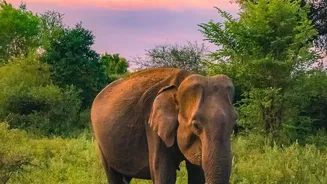
The post-monsoon magic isn't limited to tiger country. In Assam, Kaziranga National Park, a UNESCO World Heritage Site, usually reopens in October after the floodwaters of the Brahmaputra recede. This is the prime location to see the great one-horned rhinoceros in its vast, green grasslands, alongside elephants and wild water buffalo. Further south, in Kerala, Periyar National Park remains open year-round and is particularly beautiful after the rains. Boat safaris on Periyar Lake offer wonderful opportunities to see herds of elephants drinking at the water's edge, as well as sambar deer, gaur, and a variety of birds.
Look Beyond the Tiger
While the thrill of spotting a tiger is undeniable, the post-monsoon season is a paradise for birdwatchers. October marks the beginning of the migratory season, with birds arriving from Central Asia and Europe for the winter. Wetlands and sanctuaries like Keoladeo National Park in Rajasthan and Nalsarovar in Gujarat become hotspots for flamingos, pelicans, cranes, and various waterfowl. The lush forests are also alive with the calls of resident birds like hornbills and serpent eagles. Experts encourage visitors to appreciate the entire ecosystem, from the alarm calls of deer that signal a predator to the fascinating world of insects and reptiles that thrive in the damp conditions.
Essential Planning & Safari Tips
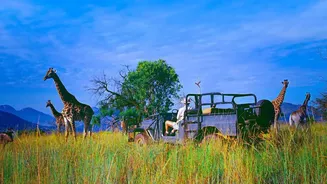
Booking your safari and accommodation well in advance is crucial, as the reopening of parks is a popular time for tourists. Most national parks have official websites for booking jeep or canter safaris. When packing, choose neutral-coloured clothing to blend in with the surroundings. Early mornings and evenings can be chilly in an open jeep, so bring layers like a jacket, scarf, and cap. Essential gear includes binoculars for better viewing, a good camera with a telephoto lens, sunscreen, and insect repellent. Remember that safaris are typically three to four hours long with limited stops.
Travel with a Conscience
Responsible tourism is key to preserving India's natural treasures for future generations. Always follow the instructions of your guide and forest officials. Maintain a safe and respectful distance from all animals, and never ask your driver to get closer for a photo. Keep noise to a minimum, and do not use flash photography, as it can disturb the wildlife. It is strictly forbidden to feed animals, leave behind any litter, or step out of the vehicle during the safari. By choosing ethical tour operators and respecting park rules, you become an active participant in conservation efforts.