



An Off-Season No More
The idea of visiting Assam between June and September once seemed counterintuitive. The season is associated with heavy rains, potential floods, and the closure of major wildlife sanctuaries like Kaziranga and Manas. However, what was once considered
the off-season is now being rebranded by adventurous young travellers as the 'green season'. This shift is part of a broader trend where travellers prioritise authentic experiences over picture-perfect weather. Recent data shows a significant uptick in travel to the Northeast during the monsoon, with hotel bookings in Guwahati rising by over 60% year-on-year, indicating a tangible shift in tourist behaviour. Travellers are discovering that the rains unlock a different, more serene side of the state.
The Allure of a Rain-Washed Paradise
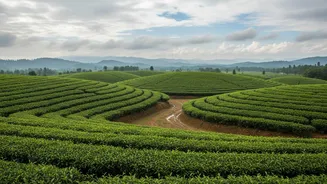
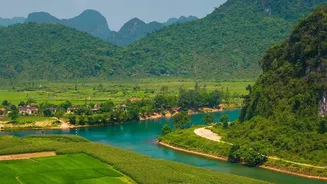
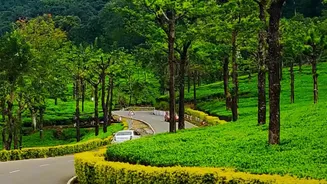
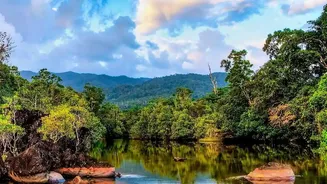
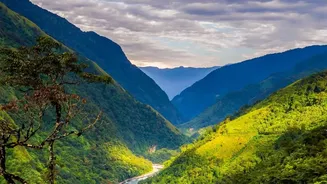
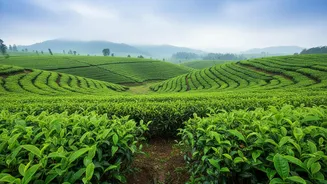
The most powerful draw is the landscape itself. The monsoon breathes life into Assam, transforming it into a vibrant emerald paradise. The dust settles, and the sprawling tea estates of Jorhat and Dibrugarh become shrouded in a romantic mist, their leaves a brilliant, glistening green. Waterfalls that are mere trickles in drier months become thunderous cascades, and the mighty Brahmaputra River swells, offering majestic and imposing views. For young urbanites seeking an escape, this connection to nature at its most raw and powerful is a significant attraction. The cooler temperatures and dramatic, cloud-covered skies provide a refreshing break and a stunning backdrop for photography.
Why Young Travellers Are Leading the Charge
Several factors are driving this youth-led trend. The quest for 'offbeat' and less crowded destinations is a major motivator. Social media feeds that once focused on sunny beaches are now filling with misty mountains and lush greenery, inspiring others to seek similar experiences. Monsoon travel is also more budget-friendly, with cheaper flights and accommodation deals available during the traditional low season. Furthermore, there is a growing desire for slower, more sustainable travel. Young explorers are often more willing to embrace the unpredictability of the monsoon, trading rigid itineraries for the simple joy of sipping chai while watching the downpour from a heritage tea bungalow or a community homestay.
Where to Experience the Magic
While some areas are best avoided, many parts of Assam become even more captivating during the rains. Majuli, the world's largest river island, takes on a serene, floating quality. Haflong, the state's only hill station, is at its best when enveloped in monsoon mist. The ancient temples of Hajo and Sivasagar, washed clean by the rain, offer a spiritual and historical experience against a picturesque backdrop. Even Guwahati, the gateway city, becomes a soulful destination as the rain slows the pace of life and adds a mystical layer to the Umananda and Kamakhya temples. The Ambubachi Mela, a major spiritual festival at Kamakhya Temple, takes place in June, drawing devotees and culturally curious travellers despite the rains.
Planning a Monsoon Adventure
Travelling to Assam during the monsoon does require some planning. It is crucial to stay informed about weather conditions and potential flooding, particularly in low-lying areas. Many national parks are closed, so a wildlife-focused trip is not advisable. However, for those seeking cultural immersion, stunning green landscapes, and a quieter, more introspective journey, the rewards are immense. The trend highlights a move away from passive sightseeing towards active, experience-led travel, where the weather is not an obstacle but part of the adventure itself.