



Decoding 'Effective' Protein
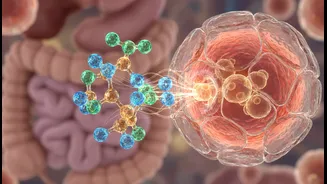
When we talk about protein effectiveness, we're really talking about 'bioavailability'. This term describes how well your body can digest, absorb, and use the amino acids from a protein source. Proteins are made of 20 amino acids, nine of which are 'essential'
because our bodies can't make them—we must get them from food. A high-quality or 'complete' protein contains all nine in sufficient amounts. Scientists use scoring systems like the Protein Digestibility-Corrected Amino Acid Score (PDCAAS) and the more modern Digestible Indispensable Amino Acid Score (DIAAS) to measure this quality, helping us understand how much protein our body actually gets.
The Animal vs. Plant Protein Debate
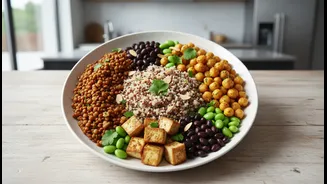
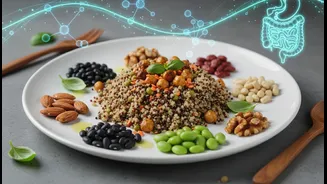
It's a common point of discussion: is animal or plant protein better? Generally, animal proteins from meat, eggs, and dairy are considered complete and are highly digestible, meaning your body can use them very efficiently. In fact, some studies suggest animal protein is more beneficial for building lean mass, particularly in younger adults. On the other hand, most plant proteins (with exceptions like soy and quinoa) are 'incomplete,' meaning they lack one or more essential amino acids. They can also contain 'anti-nutrients' like phytates and tannins, which can slightly reduce the absorption of minerals and protein. However, this doesn't mean plant proteins are ineffective. By eating a variety of plant-based sources—like beans with rice—you can easily get a complete amino acid profile throughout the day.
How Cooking Changes Everything
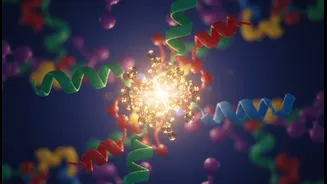
The way you prepare your food can dramatically change its protein effectiveness—often for the better. Cooking generally improves protein digestibility because heat unfolds the complex, tightly coiled structures of protein molecules. This process, called denaturation, makes it easier for your digestive enzymes to get to work. For example, one study found that the protein in a cooked egg is 91% digestible, compared to just 51% for a raw egg. However, extreme heat for long periods, like charring on a grill, can sometimes degrade certain heat-sensitive amino acids, slightly reducing the protein's overall quality. Moderate cooking methods like steaming, poaching, or boiling tend to preserve protein integrity well.
It’s Not Just The Protein
The effectiveness of a protein source isn't just about the protein itself, but the entire package. What you eat alongside your protein matters. For example, some plant foods contain fibre and compounds called anti-nutrients that can bind to proteins and minerals, making them harder to absorb. This is less of a concern in a varied diet, and preparation methods like soaking, sprouting, or fermenting can significantly reduce these compounds. Furthermore, many processed 'high-protein' foods, like sugary protein bars or some plant-based meat alternatives, can come with high amounts of sugar, sodium, or other additives that might detract from their overall health benefit. It's always important to read the entire nutrition label, not just the protein content.
Rethinking Your Protein Strategy
So, should you worry about your favourite protein source? Not necessarily. The key is awareness, not alarm. Instead of focusing solely on the grams of protein, consider the quality and variety. If you rely on plant-based proteins, make sure to eat a wide range of sources to cover all your amino acid needs. If you eat animal protein, be mindful of the overall health implications of certain sources, like red meat. And remember that how you cook your food plays a role. Ultimately, a balanced diet with protein from diverse, minimally processed whole foods is more effective than chasing the highest number on a label.