

The Lingering Perseid Meteor Shower
While the Perseid meteor shower reached its stunning peak on the nights of August 12 and 13, its activity continues until the end of the month. Caused by debris from Comet Swift-Tuttle, the Perseids are known for their bright, fast meteors that often
leave persistent trails. Though the hourly rate of 'shooting stars' will be lower than at the peak, you can still catch a good number of them in the late hours after midnight, especially away from city lights. The best viewing time is in the pre-dawn hours, when the radiant point in the constellation Perseus is high in the northeastern sky. The biggest challenge for most observers in India remains the monsoon, but any break in the clouds could reward you with a beautiful display.
A Parade of Planets
August is a fantastic month for planet-spotting. The most brilliant of them all, Venus, shines brightly as an 'Evening Star' in the western sky just after sunset. Look for it as twilight fades. For early risers, the pre-dawn sky offers a richer view. Saturn is visible for several hours in the early morning, offering excellent views through a telescope. Mars also makes an appearance in the pre-dawn sky, gradually brightening as it prepares for its opposition next year. While Mercury was at its best in early August, you might still catch a fleeting glimpse of it close to the horizon just before sunrise.
The Summer Triangle and Milky Way
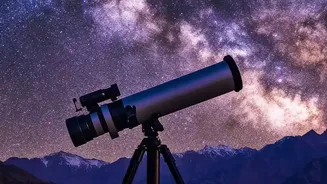
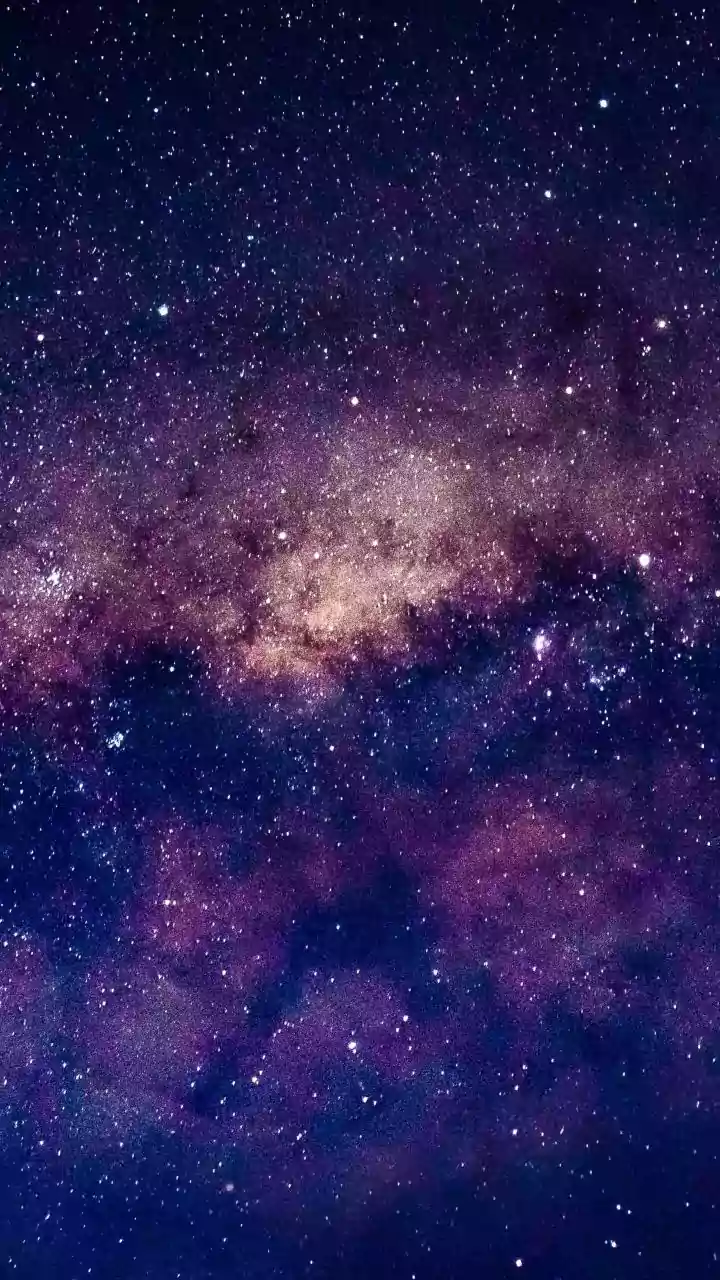
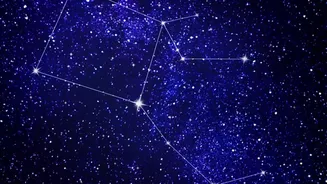
Overhead in the evening, you can find the 'Summer Triangle', an unmistakable asterism formed by three of the brightest stars in the sky: Vega in the constellation Lyra, Deneb in Cygnus, and Altair in Aquila. These stars are so luminous they can be spotted even from light-polluted urban areas. For those in darker locations with clear skies, particularly in regions less affected by the monsoon like Ladakh or the Thar Desert, the grand prize is the Milky Way. The dense, bright core of our galaxy, located in the direction of the constellations Sagittarius and Scorpius, arcs across the southern sky. This breathtaking river of stars is a sight that requires a dark, moonless night to be fully appreciated.
The Moon's Changing Faces
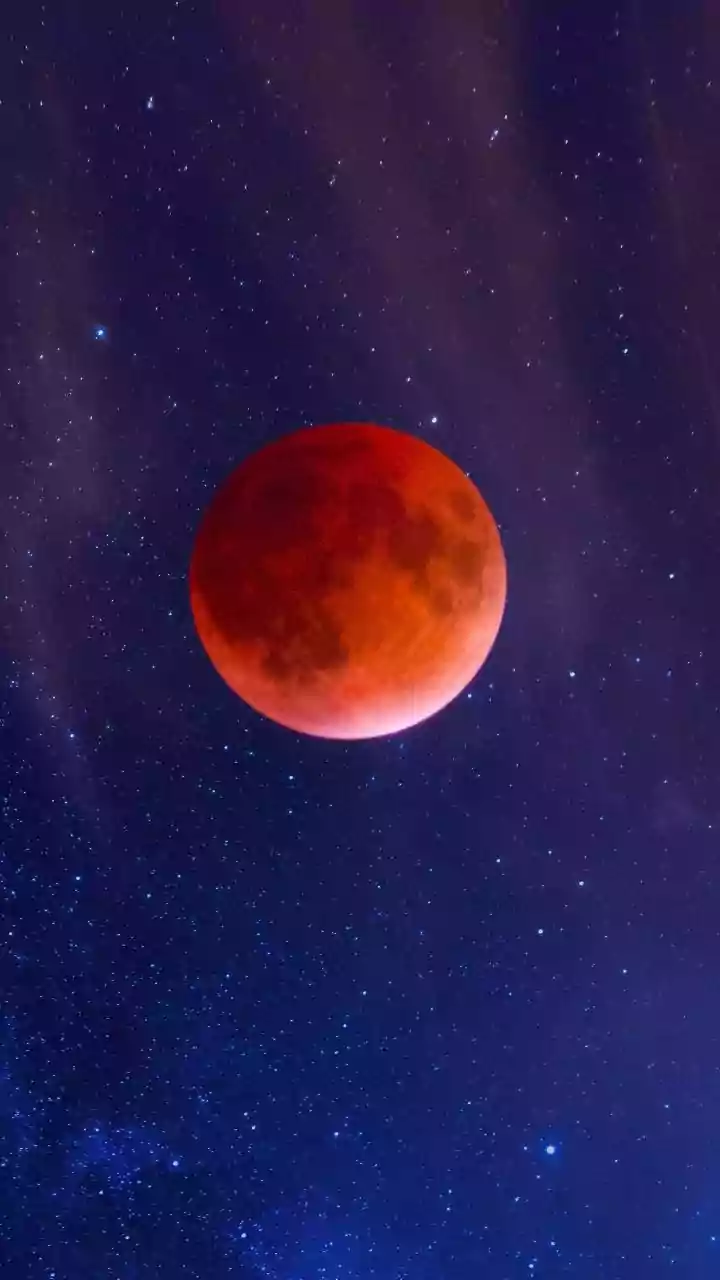
The Moon itself offers a dynamic viewing experience throughout the month. Following the New Moon on August 12, the waxing crescent will have grown into its First Quarter phase by August 20. This is an ideal time to observe the Moon with binoculars or a small telescope, as the craters and mountains along the terminator—the line separating the light and dark sides—are thrown into sharp relief. The month culminates with the Full Moon on August 28. While a bright full moon washes out fainter stars, its own bright presence is a beautiful sight. This month's partial lunar eclipse on August 28 will unfortunately not be visible from India.
Tips for Best Viewing
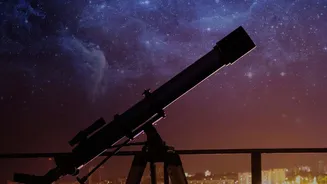
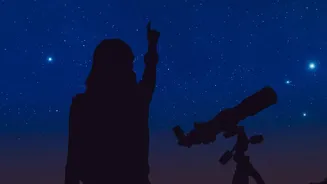
To make the most of your stargazing sessions, patience is key. Allow your eyes at least 20 to 30 minutes to fully adapt to the darkness; this will help you spot fainter objects. Whenever possible, find a location away from the glare of city lights. Even a local park can be a significant improvement over a brightly lit street. While most of the events listed here are visible with the naked eye, a pair of binoculars can dramatically enhance your view, revealing the moons of Jupiter, the shape of star clusters like the Pleiades, and the rugged terrain of our own Moon. Finally, be mindful of the monsoon weather. Keep an eye on the forecast and take advantage of any clear spells—the post-rain clarity can sometimes offer exceptionally transparent skies.