
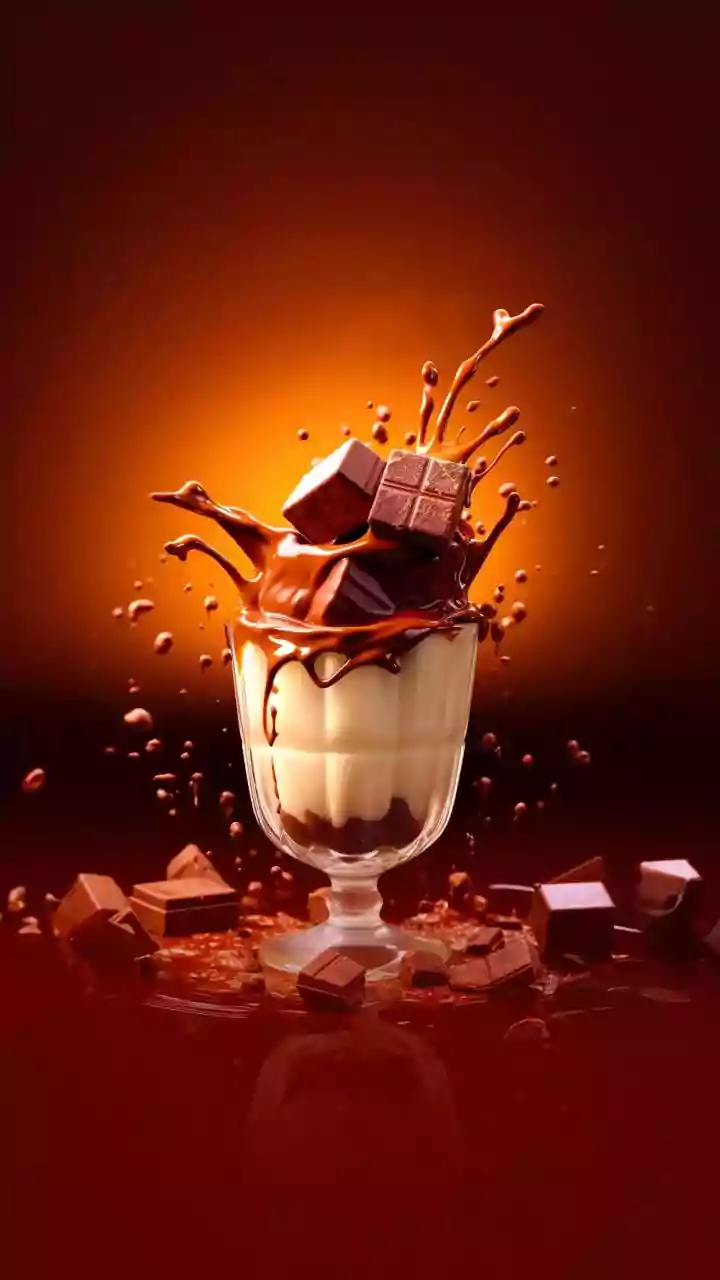


The Cloud-Like Chocolate Mousse
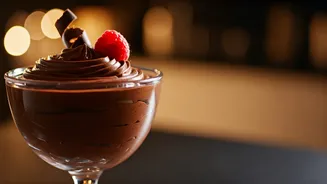
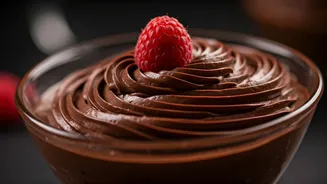
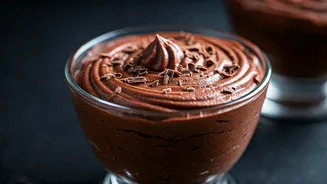
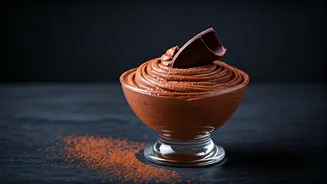
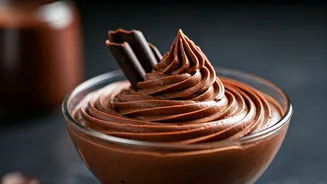
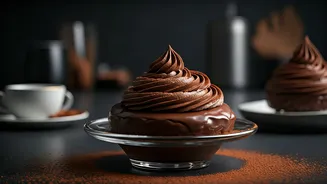
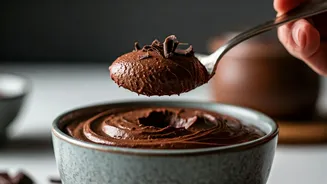
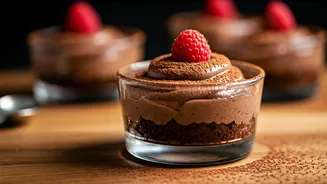
Imagine a chocolate mousse so light and airy it feels like eating a cloud, yet it delivers a deep, intense chocolate flavour. It sounds like something from a fancy patisserie, but you can achieve it with just two ingredients: good-quality dark chocolate and aquafaba.
What’s aquafaba? It's the viscous water in which chickpeas have been cooked, and it's a magical vegan egg-white substitute. The proteins in the liquid whip up just like egg whites, creating a stable, airy foam. To make it, you’ll need about 1 cup of aquafaba (from one can of unsalted chickpeas) and 200 grams of high-quality dark chocolate (at least 70% cocoa). First, gently melt the chocolate over a double boiler or in the microwave in short bursts, then set it aside to cool slightly. While it cools, pour the aquafaba into a clean bowl and whip it with an electric mixer on high speed. It will take about 5-10 minutes, but be patient. The liquid will transform into a firm, glossy foam with stiff peaks. Gently fold a third of the whipped aquafaba into the cooled melted chocolate to lighten it. Then, carefully fold in the remaining foam until just combined. Be careful not to overmix and deflate the air. Pour the mixture into glasses and chill for at least two hours. The result is a stunning, dairy-free mousse that defies belief.
The Molten Chocolate Lava Cake
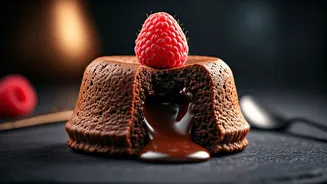
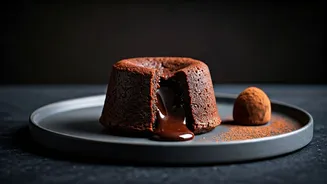
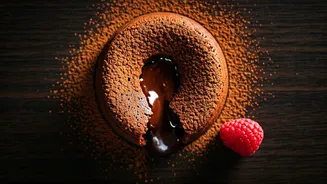
The molten lava cake is the ultimate restaurant-style indulgence, but its impressive, gooey centre is surprisingly simple to create at home. The secret lies in the powerful combination of eggs and chocolate. The eggs act as a binder, leavener, and emulsifier all in one, creating a cake-like structure on the outside while leaving the inside perfectly runny. For two generous cakes, you’ll need just 2 large eggs and about 120 grams of good semi-sweet or dark chocolate. Start by preheating your oven to 200°C and generously greasing two ramekins. Melt the chocolate until smooth and let it cool for a few minutes so it doesn’t cook the eggs. In a separate bowl, whisk the eggs vigorously for 2-3 minutes until they are pale, frothy, and have doubled in volume. This step is crucial for incorporating air. Slowly stream the melted chocolate into the whisked eggs, mixing gently until the batter is uniform. Pour the batter into your prepared ramekins and bake for 12-15 minutes. The edges should be set, but the centre should still have a slight wobble. Let them rest for a minute before carefully inverting them onto plates. Serve immediately to enjoy that glorious river of molten chocolate.
The Velvety, Rich Truffles
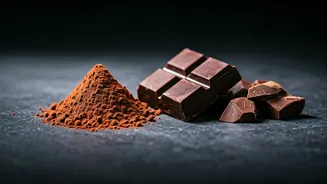
Handmade chocolate truffles feel like the height of luxury, a perfect gift or after-dinner treat. At their core, they are nothing more than a simple ganache made from chocolate and heavy cream. The ratio is key to achieving that perfect, melt-in-your-mouth texture. For classic, firm truffles that are easy to roll, a 2:1 ratio of chocolate to cream by weight is ideal. You’ll need 200 grams of finely chopped dark or semi-sweet chocolate and 100 grams of heavy cream. Place the chopped chocolate in a heatproof bowl. Heat the heavy cream in a small saucepan until it just begins to simmer around the edges—don’t let it boil. Pour the hot cream over the chocolate and let it sit, undisturbed, for five minutes. This allows the heat from the cream to gently melt the chocolate without scorching it. After five minutes, start stirring from the centre of the bowl in small circles, gradually working your way out. The mixture will come together into a glossy, smooth ganache. Let it cool and then chill in the refrigerator for 1-2 hours, until firm enough to scoop. Use a small spoon or melon baller to portion out the ganache, roll it between your palms to form balls, and you’re done. For a professional finish, you can roll them in cocoa powder, but they are perfectly decadent on their own.
Why This Minimalist Magic Works
These recipes aren't just happy accidents; they work because of basic food science. Chocolate is an emulsion of cocoa solids, cocoa butter (fat), and sugar. The success of a two-ingredient recipe depends entirely on what the second ingredient brings to the party. In the case of truffles, the fat and water in the heavy cream emulsify with the cocoa butter in the chocolate to create a stable, smooth ganache. For the lava cakes, the proteins in the eggs coagulate when heated, creating structure, while the fat in the yolks adds richness. The whipping action incorporates air, providing lift. With the aquafaba mousse, the proteins create a physical structure of air bubbles, and the fat from the cocoa butter helps stabilise that foam as it sets, trapping the air and creating that signature light texture. By understanding these simple principles, you can see that you don't need a pantry full of ingredients—just the right two.