




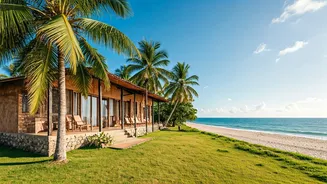


The Rise of the Bamboo Office
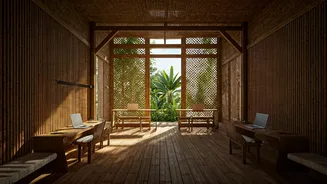
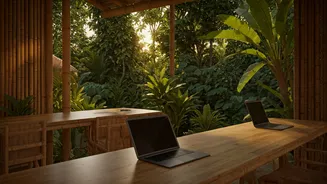
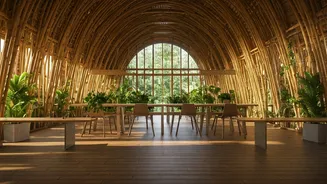
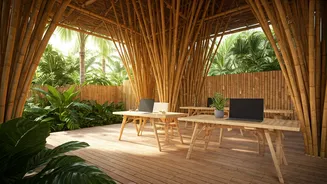
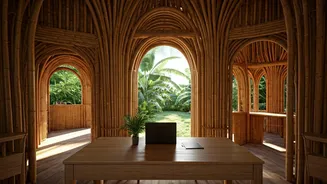
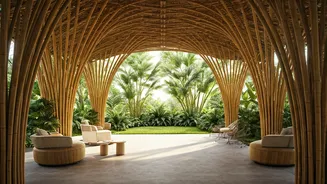
Bali has long been a magnet for tourists, but a new kind of visitor is putting down temporary roots: the remote worker. At the heart of this trend are extraordinary co-working spaces crafted almost entirely from bamboo. These are not just buildings; they
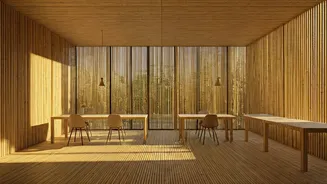
are architectural marvels designed to blend in with the lush landscape of places like Ubud and Canggu. Spaces like Outpost or other emerging hubs are designed with an open-air concept, allowing natural light and air to flow freely. This move away from the sealed, air-conditioned environments of traditional offices is a significant part of the appeal. The use of bamboo, a highly sustainable and fast-growing resource, also sends a powerful message about eco-conscious living, resonating deeply with a generation that prioritises environmental values.
Why Indian Freelancers Are Answering the Call
India's gig economy is booming. A massive pool of talented tech professionals, content creators, designers, and consultants has emerged, untethered from a physical office. The COVID-19 pandemic accelerated this shift, proving that high-quality work can be delivered from anywhere with a stable internet connection. For many Indian freelancers, Bali presents a perfect trifecta: it's relatively close, culturally rich, and affordable. The time zone difference is manageable, allowing them to collaborate with clients in India and across Asia. More importantly, it offers an escape from the hustle, pollution, and high-pressure environments of major metropolitan cities like Mumbai, Delhi, or Bengaluru. The dream is no longer just about earning well, but living well.
It's About Community, Not Just Connectivity
While fast Wi-Fi is a non-negotiable, what truly sets these Balinese hubs apart is the sense of community they foster. These are not silent, sterile workspaces. They are vibrant ecosystems designed for collaboration and connection. Regular networking events, skill-sharing workshops, and social gatherings are part of the package. An Indian graphic designer might find themselves brainstorming a project with a German programmer and a Brazilian marketer over a cup of locally sourced coffee. This global melting pot provides invaluable networking opportunities and a chance to gain diverse perspectives. Furthermore, these hubs integrate wellness into the workday, with many offering on-site yoga classes, meditation sessions, and access to healthy cafes, promoting a holistic work-life balance that is often difficult to achieve back home.
The Economics of Working in Paradise
At first glance, working from an exotic island might seem like an expensive indulgence, but for many Indian freelancers, the math works out. While a co-working membership has a cost, the overall cost of living in Bali can be significantly lower than in India's Tier-1 cities. Rent for a comfortable villa with a private pool can be comparable to or even cheaper than a small apartment in a prime Mumbai or Bengaluru locality. Food, transport, and leisure are also highly affordable. Indonesia's visa-on-arrival policy for Indians makes short-term stays straightforward, and the country is actively working on a long-term 'digital nomad visa' which would make it even more attractive for freelancers planning to stay for several months or longer. This combination of affordability and accessibility is a powerful driver of the trend.