






Luís Figo: The Ultimate Betrayal
In 2000, Luís Figo was more than a player at Barcelona; he was a god. The team captain and a fan idol, his departure seemed unthinkable. Yet, Real Madrid presidential candidate Florentino Pérez made a brazen promise: if elected, he would sign Figo. Figo himself
publicly dismissed the idea, reassuring fans he was staying. But Pérez won and triggered Figo’s €62 million buyout clause, a world record at the time. The move was seen as the ultimate act of treachery. On his return to Camp Nou, Figo was met with a hurricane of abuse, with banners labelling him 'Judas' and 'mercenary'. The animosity peaked in 2002 when, as he went to take a corner, a cascade of objects including a whiskey bottle and a severed pig's head rained down onto the pitch, cementing the transfer as the most acrimonious in history.
Sol Campbell: The North London 'Judas'
Crossing a city divide is one thing; crossing it on a free transfer is another. Sol Campbell was Tottenham Hotspur's captain, an academy graduate, and their defensive rock. As his contract ran down in 2001, he assured fans he would stay. Instead, he did the unthinkable and signed for their fiercest rivals, Arsenal, without a transfer fee. The move was kept so secret that journalists attending his unveiling assumed another player was being signed. For Spurs fans, it was an unforgivable betrayal. Campbell was labelled 'Judas', a tag that has followed him for decades, with his every return to White Hart Lane met with vitriolic abuse. For Campbell, however, the move was justified by ambition. He went on to win two Premier League titles and three FA Cups with Arsenal, including being a core member of the legendary 'Invincibles' team.
Mo Johnston: Shattering Glasgow's Great Divide
Few transfers have ever challenged a club's identity like Mo Johnston's move to Rangers in 1989. A former Celtic hero and a Catholic, Johnston was set for a celebrated return to Parkhead after a spell in France. He was even paraded in a Celtic shirt. But in a stunning reversal, he signed for their arch-rivals, Rangers, a club that had a long-standing unwritten policy of not signing high-profile Catholic players. The move sent shockwaves through Scottish football, infuriating both sets of fans. Celtic supporters felt betrayed by their former star, while many Rangers fans were angered by the breaking of a tradition they held dear. Despite the hostility, which included requiring 24/7 security, Johnston won over the Ibrox faithful with his performances, most notably by scoring a winning goal against Celtic. His transfer is now seen as a watershed moment that helped break down sectarian barriers in Scottish football.
Tevez & Mascherano: The Murky World of Third-Party Ownership
When two of Argentina's brightest stars, Carlos Tevez and Javier Mascherano, signed for a modest West Ham United in 2006, the football world was stunned. The deal seemed too good to be true, and it was. It soon emerged that the players' economic rights were not owned by their previous club, Corinthians, but by third-party investment firms. This violated Premier League rules, which forbid third parties from having influence over a club's policies or team performance. West Ham were eventually fined £5.5 million but controversially avoided a points deduction. Tevez's goals proved crucial in helping the club narrowly escape relegation, a fact that led to a bitter and prolonged legal dispute with the relegated Sheffield United. The scandal exposed the murky practice of third-party ownership and led to its eventual ban by FIFA.
Neymar: The Transfer That Broke the Market
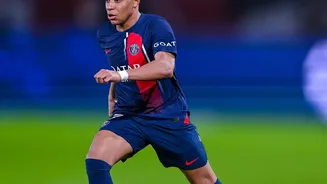
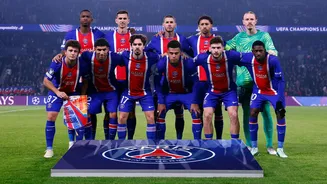
In 2017, Neymar's move from Barcelona to Paris Saint-Germain didn't just break the world transfer record; it completely obliterated it. PSG paid the Brazilian's €222 million release clause, more than double the previous record set by Paul Pogba's move to Manchester United. The deal was engineered to circumvent UEFA's Financial Fair Play (FFP) regulations, which were designed to prevent clubs from spending more than they earn. While a landmark moment for PSG, the transfer sent shockwaves through football's financial ecosystem. It was seen as the point of no return for hyper-inflated transfer fees and player wages, fundamentally altering the market and widening the financial gap between Europe's super-rich clubs and the rest. The transfer was viewed by many as a symbol of sportswashing and a blatant disregard for financial sustainability in football.
Johan Cruyff: The Revenge Mission
Sometimes, a controversial transfer is fuelled by pure spite. In 1983, Ajax decided their 36-year-old legend, Johan Cruyff, was past his prime and refused to offer him a new contract. Offended by the disrespect, the Dutch master, who had defined the club's golden era, did the unthinkable: he signed for Ajax's most hated rivals, Feyenoord. The move was a direct act of revenge. Though initially met with hostility from some Feyenoord fans, Cruyff's genius quickly won them over. In one of football's greatest tales of retribution, he led Feyenoord to a league and cup double, their first league title in a decade. To complete his revenge, Cruyff was named Dutch Player of the Year, proving in the most dramatic fashion that Ajax had made a colossal misjudgment.