





The Rise of the Micro-Cation
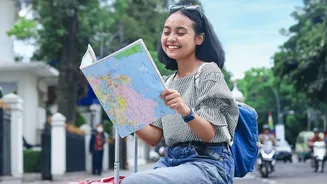
The long-standing tradition of saving up all your leave for one big holiday is being redefined by India's youngest generation of adults. Recent reports highlight a major shift in travel habits, with Gen Z championing the 'micro-cation'—short trips of two
to four days taken frequently throughout the year. According to a 2026 Airbnb report focused on India, a staggering 87% of Gen Z travellers prefer trips that last less than a week. Furthermore, seven out of ten said they would rather take three short getaways than one long annual holiday. This isn't just a preference; it's a fundamental change in how travel is perceived. It's no longer a once-a-year event but a regular habit, a way to punctuate life with consistent bursts of exploration and rest. This trend reflects a generation that values flexibility, spontaneity, and experiences over long-drawn-out itineraries.
Driven by Budgets and Busy Schedules
Practicality is a major force behind this shift. For many young professionals and students, long leaves are a luxury. Busy work schedules, academic commitments, and other responsibilities make coordinating a two-week vacation a logistical challenge. A weekend break or a three-day trip over a public holiday, however, is far more manageable. Affordability is another key driver. While a long international trip can be a significant financial undertaking, several domestic weekend trips can be spread across the year, making travel more accessible. Many in this generation prioritise experiences but are also conscious of costs, a mindset shaped by entering adulthood during times of economic uncertainty. This has led to smarter spending, where the focus is on the value of the experience rather than luxurious frills.
The Social Media Influence
It's impossible to discuss Gen Z trends without acknowledging the role of social media. Platforms like Instagram and TikTok are primary sources of travel inspiration for this generation. The constant stream of visually engaging content, from scenic Reels to influencer posts, creates an ongoing desire for new and varied experiences. Short, frequent trips are perfect for generating a steady supply of fresh content to share. Some studies have found that a high percentage of Gen Z travellers are influenced by social media when choosing a destination, with many booking trips after seeing them recommended by influencers. However, there's also a counter-trend emerging. Many young travellers actively seek out places that are not widely recommended online, searching for unique and personal experiences away from the crowds.
The Anti Itinerary Generation
Perhaps the most telling aspect of this trend is the mindset behind it. Gen Z has been dubbed the 'anti itinerary' generation. For them, travel is often a spontaneous response to stress or a free weekend, with many booking trips just days or weeks in advance. A recent survey revealed that 95% of young Indian travellers feel it's important that their trip feels personal and unique rather than pre planned. This translates to a desire for unstructured time. A surprising two thirds travel with the explicit intention of doing nothing at all—no packed sightseeing schedules, just rest and relaxation. The stay itself has become the destination, with accommodation choices like homestays with balconies and shared living spaces being highly valued over standard hotel rooms. This approach is less about ticking off landmarks and more about finding moments of peace, connection, and self expression.