
A New Kind of Push in Space
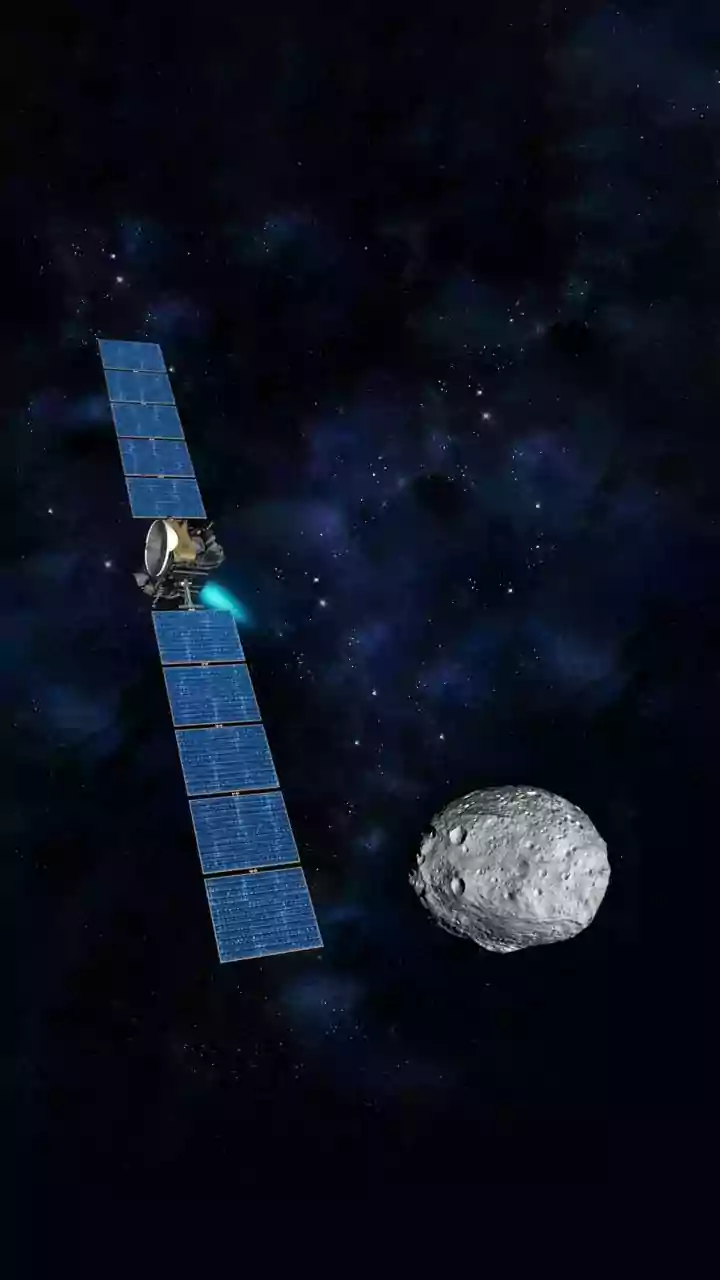
At the heart of this transformation is electric propulsion. Unlike traditional chemical rockets that burn fuel in a powerful, short burst to escape Earth's gravity, electric propulsion systems work on a completely different principle. They use electrical
power, typically generated by a satellite's solar panels, to accelerate a small amount of inert gas like xenon. This creates a very gentle, but continuous, thrust. Imagine the difference between a powerful cannon blast and a steady, persistent breeze. The cannon provides a huge initial push, while the breeze, acting over a long time, can move an object a great distance. Chemical rockets are the cannon, essential for launching into orbit. Electric thrusters are the constant breeze, perfect for maneuvering once a satellite is already in space. This method is exceptionally fuel-efficient, with some systems being at least six times more efficient than their chemical counterparts.
The 'Less Is More' Advantage
The single biggest constraint in satellite design has always been weight. A significant portion of a conventional satellite's mass at launch is propellant. For a large communications satellite weighing four tonnes, over two tonnes can be just fuel. This massive fuel load is needed for the final journey into geostationary orbit and for years of tiny adjustments, known as station-keeping, to maintain its precise position. With electric propulsion, the amount of propellant needed plummets. That same four-tonne class of satellite might only need around 200 kilograms of xenon gas to perform the same functions. This dramatic weight saving has a cascading effect. Lighter satellites are significantly cheaper to launch. Alternatively, the weight saved on fuel can be reallocated to the actual payload, meaning a satellite can carry more transponders, more scientific instruments, or more advanced sensors, effectively giving it the capability of a much larger and more expensive spacecraft.
A Marathon, Not a Sprint
A satellite's mission does not end when its fuel runs out; it dies. The operational lifespan of most satellites is determined by how long they can continue making small orbital corrections to counteract gravitational pulls and stay in their assigned slot. Once this station-keeping fuel is gone, the billion-dollar asset becomes uncontrollable space debris. Because electric propulsion is so incredibly efficient, a small amount of propellant can last for a very long time. This allows a satellite to perform station-keeping maneuvers for many additional years, extending its revenue-generating or data-collecting life far beyond previous limits. A standard 15-year design life for a geostationary satellite could potentially be extended by another five to ten years, representing a massive return on investment. This longevity is a game-changer, ensuring India's assets in space work harder and longer.
India's Strategic Leap Forward
ISRO's development of its own indigenous electric propulsion systems, demonstrated in missions like the Technology Demonstrator Satellite (TDS-01), is a major strategic milestone. It marks a move toward self-reliance in a critical space technology that is rapidly becoming the global standard. This capability makes ISRO and its commercial arm more competitive in the global market, able to offer more capable satellites on lighter, more affordable launch vehicles. For India, it means more robust and long-lasting infrastructure in orbit for everything from telecommunications and broadcasting to navigation and Earth observation. Instead of relying on foreign technology or heavier, shorter-lived satellites, India is building a foundation for a more sustainable and powerful presence in space, ensuring its future missions are both cost-effective and highly advanced.