


The Weight of Our Affection
In India, the habit of showing love through food is deeply ingrained, and it extends to our pets. Sharing table scraps like roti, rice, and biscuits is a common way we bond. Unfortunately, this generosity is a primary driver of a quiet epidemic. Studies
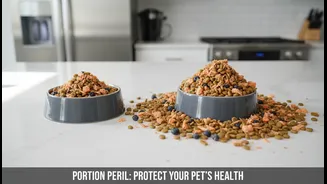
show that up to 40% of pets in urban Indian households are overweight or obese. This extra weight isn't just cosmetic; it's a serious health issue that can reduce a pet's lifespan and contribute to conditions like diabetes, arthritis, and heart disease. Many owners don't even realise their pet is carrying extra weight, mistaking a chubby appearance for a sign of being well-cared for.
How to Tell If Your Pet Is Overweight
Since it can be hard to spot, veterinarians use a Body Condition Score (BCS) to assess a pet's weight. You can do a simplified check at home. First, run your hands along your pet’s sides. You should be able to feel their ribs easily under a thin layer of fat, similar to the feel of the back of your hand. If you have to press hard to find them, your pet may be overweight. Second, look at your pet from above. You should see a clear, hourglass-shaped waist behind the ribs. From the side, their belly should tuck upwards from the chest. A broad, flat back or a sagging belly are signs of excess weight. If you're concerned, a visit to the vet is the best course of action.
Rethink the Treat: Healthier Options
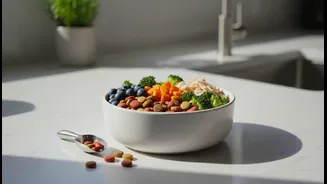
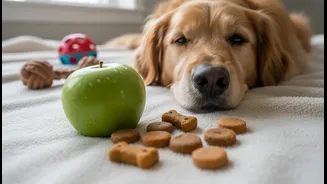
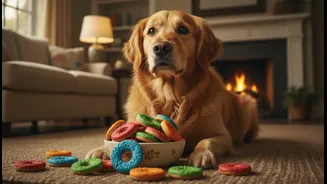
Treats should make up no more than 10% of a pet's daily calorie intake. Instead of high-calorie commercial snacks or human food, consider healthy, low-calorie alternatives. Many vegetables make excellent, crunchy snacks for dogs. Baby carrots, green beans, and cucumber slices are full of fibre and low in calories. For both dogs and cats, small pieces of plain, cooked chicken or fish are high-protein options. Fruits like apple slices (without seeds) and blueberries can be given in moderation. For cats, who are obligate carnivores, protein-based treats are ideal, but some enjoy small pieces of vegetables like cooked pumpkin or even green beans. Always introduce new foods slowly and avoid toxic items like grapes, raisins, onions, and garlic.
Pampering Beyond the Food Bowl
The best rewards aren't always edible. Your attention and affection are powerful motivators that strengthen your bond without adding calories. Enthusiastic verbal praise like “Good boy!” combined with gentle petting or a belly rub can be just as effective as a treat for many dogs. You can also reward your pet with a favourite activity. A short, energetic game of tug-of-war or fetch can be a wonderful prize for good behaviour. Even simple things, like allowing your dog a few extra minutes to sniff on a walk (a “sniffari”), can be a huge reward that engages their natural instincts.
Enrichment: The Ultimate Gift
A bored pet is often an anxious or destructive one. Mental stimulation, known as enrichment, is crucial for your pet’s well-being and is a fantastic way to show you care. These activities challenge their brain and allow them to express natural behaviours. For dogs, puzzle toys that make them work to get their food slow down eating and provide a mental workout. Snuffle mats, which require them to hunt for kibble or treats, engage their powerful sense of smell. For cats, interactive wand toys that mimic hunting, or even just a simple cardboard box to explore, can provide hours of stimulation. A 15-minute enrichment session can be as tiring and satisfying as a much longer walk.