





Understanding Sleep Debt
Think of sleep like a bank account. Each night, you need to make a deposit of about seven to nine hours for optimal functioning. When you consistently sleep less than your body requires, you start to accumulate a 'sleep debt'. This isn't just a metaphor;
it's a real, measurable deficit. If you lose two hours of sleep every night from Monday to Friday, you enter the weekend with a 10-hour sleep debt. This cumulative loss affects more than just your energy levels; it can impact cognitive function, mood, and even your immune system. The reason you feel sleepy is partly due to a hormone called adenosine, which builds up in your brain the longer you are awake, increasing the 'pressure' to sleep. When you don't get enough sleep, you don't fully clear this adenosine, carrying a balance over to the next day.
The Weekend Catch-Up Debate
So, can a couple of long nights of sleep on Saturday and Sunday erase a week's worth of debt? The science is mixed, but the consensus is that it's not a perfect solution. While sleeping in can reduce short-term fatigue and make you feel more alert, it often fails to reverse all the underlying biological effects of sleep loss. Some studies from 2019 and earlier suggested that large shifts in your sleep schedule—known as 'social jet lag'—could disrupt your body's internal clock, or circadian rhythm, and might be linked to adverse health outcomes. However, more recent research presents a more nuanced view. A 2026 study presented at the European Society of Cardiology's annual congress found that getting a modest amount of extra sleep on weekends—specifically around an hour and a half—was associated with a lower risk of high blood pressure. So, while a little extra rest might be beneficial, it's not a free pass to burn the midnight oil all week. Consistency remains the gold standard for healthy sleep.
The Screen Time Disruption
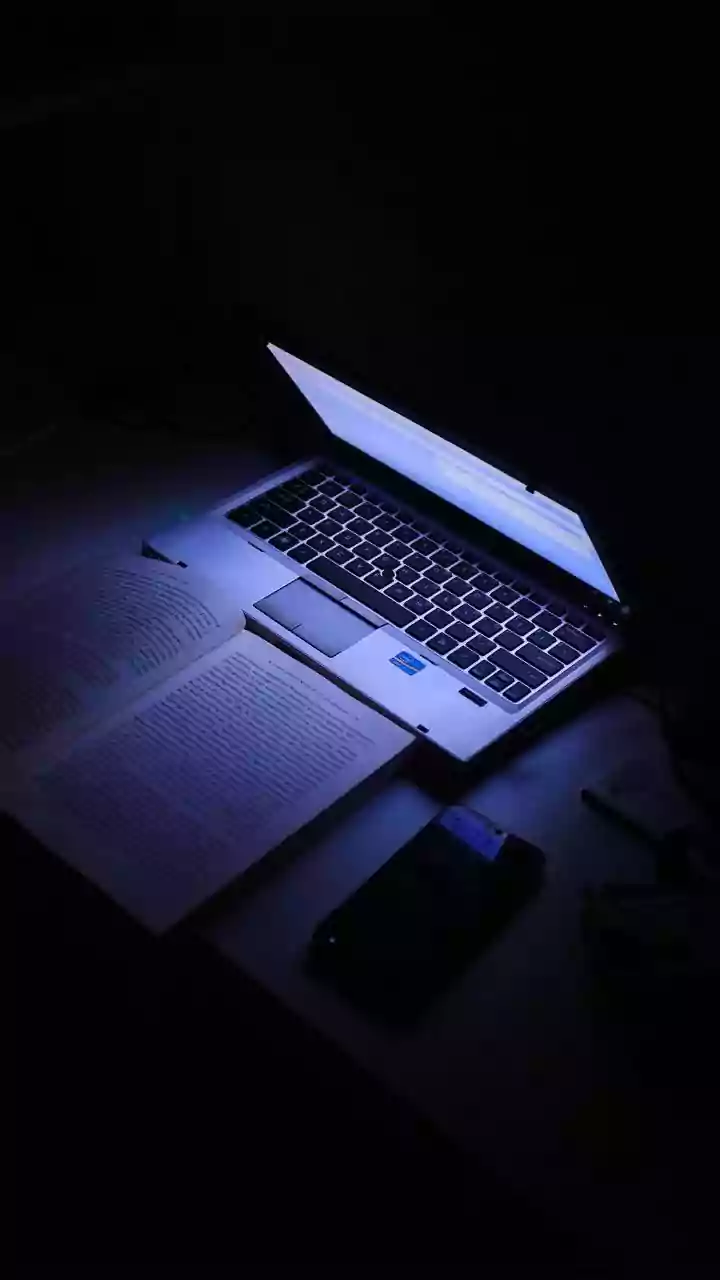
Adding another layer of complexity is our near-constant exposure to screens. The issue lies with the blue light emitted by our phones, tablets, and computers. This specific wavelength of light is particularly effective at suppressing the production of melatonin, the hormone that signals to your body that it's time to rest. When you scroll through your phone before bed, you're essentially telling your brain to stay awake, delaying sleep onset and potentially reducing sleep quality. Studies have shown that a couple of hours of screen time in the evening can seriously disrupt the melatonin surge needed to fall asleep. One study even found that evening light exposure caused a significant drop in melatonin levels in adults, and an even more dramatic drop in children.
It's Not Just the Blue Light
The problem with late-night screen time isn't just chemical; it's psychological. The content we consume keeps our minds engaged and alert precisely when they should be winding down. Answering work emails, scrolling through stimulating social media feeds, or watching an intense show can trigger stress and an emotional response, making it difficult to relax into sleep. This mental stimulation can lead to a vicious cycle: you use screens because you can't sleep, and you can't sleep because you're using screens. Even if you turn off the device, your mind can remain active, replaying conversations or worrying about the next day, which further interferes with rest.
Building a Better Sleep Routine
While you may not be able to fully erase a significant sleep debt over a weekend, you can build healthier habits to prevent it in the first place. The most effective strategy is to establish a consistent sleep schedule, waking up and going to bed around the same time every day, even on weekends. To combat the effects of screen time, implement a 'digital curfew' by putting away all electronic devices at least 60 to 90 minutes before bedtime. Replace scrolling with calming activities like reading a physical book, gentle stretching, meditation, or taking a warm bath. Creating a cool, dark, and quiet bedroom environment also signals to your body that it's time for rest. If you must use a device in the evening, turn down the brightness or use a 'night mode' setting to reduce blue light exposure.