


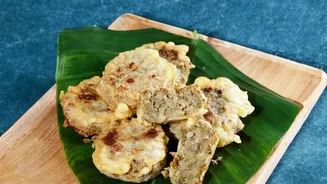
The Samosa Makeover
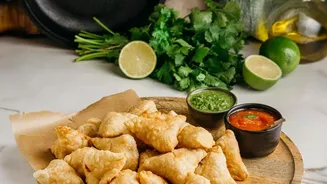
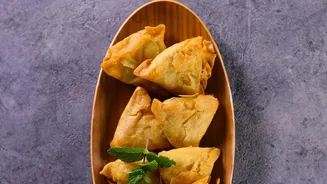
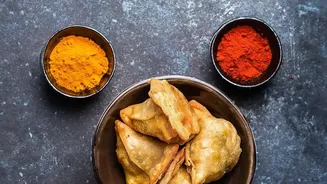
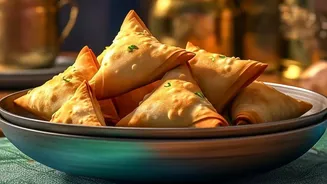
The quintessential triangular treat doesn't have to be a calorie bomb. The biggest change comes from ditching the deep-fryer. Baking or air-frying your samosas can drastically cut down on oil absorption. For an even crispier, golden-brown finish when
baking, a light brush of oil on the pastry is all you need. Another key area for a health upgrade is the pastry itself. Instead of using only refined maida, try a blend of whole wheat flour (atta) and a small amount of suji (semolina) for a sturdier, more fibrous shell. Some recipes even use tortillas or spring roll wrappers as a quick, lower-fat alternative. The filling is also ripe for reinvention. While the classic potato and pea mixture is beloved, you can boost the nutritional value and lower the carb load. Try swapping some of the potato for crumbled paneer, minced cauliflower, lentils, or a mix of finely chopped vegetables like carrots and beans. These fillings not only add more vitamins and protein but also bring new textures and flavours to the table.
Perfecting the Lighter Pakora
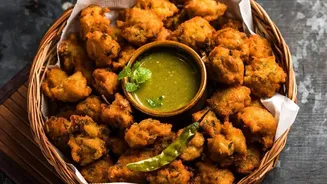
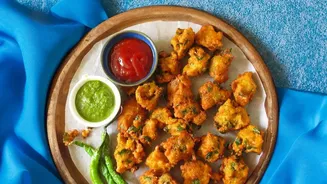
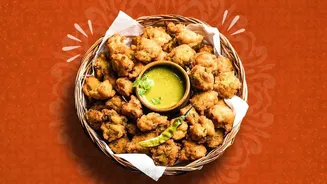
Pakoras are synonymous with monsoons and evening chai, but their oily nature can be a drawback. The modern air fryer is a game-changer for pakora lovers. It circulates hot air to create a crispy exterior with minimal oil, closely mimicking the texture of deep-frying. If you don't have an air fryer, you can bake them in a hot oven. To get the best results, place vegetable dollops on a parchment-lined tray and bake until golden brown, flipping halfway through. The batter is crucial for a non-greasy pakora. Ensure your batter, typically made with besan (gram flour), is not too runny, as a thin batter absorbs more oil. Adding a tablespoon of rice flour or cornflour to your besan mix can help create a crispier crust that doesn't soak up as much grease. Loading the batter with more chopped vegetables, like spinach, onions, or grated carrots, and less batter per pakora also helps increase fibre and reduce overall calories.
Guilt-Free Crispy Banana Chips
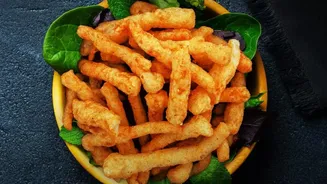
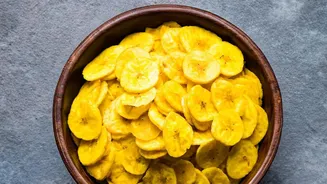
Store-bought banana chips are often deep-fried and loaded with sugar. Making them at home puts you in complete control. The best method for a low-calorie version is baking. Preheat your oven to a low temperature, around 180-200°C. Slice raw bananas as thinly and evenly as possible—a mandoline slicer works wonders here. Toss the thin slices in a bowl with a tiny amount of oil and your desired seasonings, like salt, pepper, and a pinch of turmeric. Spread the slices in a single layer on a baking sheet lined with parchment paper to prevent sticking. Bake for 15-20 minutes, flipping them once, until they are golden and crispy. The key is to bake them long enough at a low temperature to dehydrate them, which is what creates that satisfying crunch. Once cooled, these chips become even crispier and can be stored in an airtight container for a healthy snack anytime.
Universal Tips for Less Oil
Even if you choose to deep-fry occasionally, a few techniques can significantly reduce oil absorption. First, ensure your oil is at the correct temperature—medium-hot. If the oil is too cold, the food will soak it up like a sponge before it starts cooking. A simple test is to drop a small piece of batter into the oil; it should sizzle and rise to the surface steadily. Second, don't overcrowd the pan. Frying in small batches maintains the oil's temperature, ensuring each piece cooks quickly and crisply. Finally, how you drain your snacks matters. Instead of placing them on paper towels where they can sit in pooled oil, let them drain on a wire rack. This allows excess oil to drip away completely, keeping the underside from becoming soggy.