





As the monsoon recedes and a pleasant coolness settles in, India's markets transform. October brings a vibrant harvest, offering a fresh palette of flavours and textures for the kitchen. Here’s a look at what’s in season and how to enjoy it.
Why Eating Seasonally Matters
Aligning your
diet with nature’s calendar is a cornerstone of traditional Indian food wisdom. Produce that is harvested in its proper season is often more nutrient-dense, flavourful, and affordable. When fruits and vegetables are allowed to ripen naturally, they develop higher levels of vitamins and antioxidants. Eating seasonally also encourages dietary variety, which is beneficial for gut health and can help reduce the risk of chronic diseases. October, known as the Sharad Ritu or autumn, is a transitional month that brings a mix of late monsoon and early winter produce, offering a unique opportunity to refresh our home menus.
The Autumn Star: Pumpkin (Kaddu)
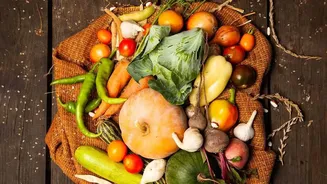
As October arrives, so does the humble pumpkin. Far from being just a festive decoration, kaddu is a versatile staple in Indian kitchens. Available year-round but particularly good this month, it’s packed with flavour and nutrients. Its sweet, earthy taste makes it perfect for a variety of dishes. Don't just save it for elaborate preparations; its beauty lies in its simplicity. A quick pumpkin and sweet potato curry, simmered with coconut milk, onions, and basic spices like cumin and coriander, makes for a hearty one-pot meal. For a simple weeknight sabzi, sauté cubed pumpkin with a tempering of cumin seeds, turmeric, and a hint of chilli powder until tender.
The Comforting Root: Sweet Potato (Shakarkandi)
Sweet potato, or shakarkandi, is another star of the autumn harvest. It’s a healthier alternative to regular potatoes, boasting a lower glycemic index and a wealth of vitamins. While often enjoyed during fasts, its gentle sweetness makes it a wonderful addition to everyday meals. One of the simplest ways to enjoy it is roasted until soft and caramelised, then seasoned with a pinch of salt and a squeeze of lime. For a more substantial dish, try making a sweet potato and lentil stew. Cubed sweet potatoes can also be added to kadhis or simple stir-fries, where they lend a creamy texture and a subtle sweetness that balances spicier flavours.
The Hardy Green: Spinach (Palak)
With the weather cooling down, fresh bunches of spinach begin to appear in abundance. While available for much of the year, the new season spinach that arrives in October is particularly tender and flavourful. Rich in iron and vitamins, palak is a nutritional powerhouse. Beyond the classic palak paneer, there are countless simple ways to use it. Finely chop the leaves and knead them into your chapati or paratha dough for an easy nutrient boost. You can also wilt a large handful into any dal or curry in the last few minutes of cooking. A simple spinach stir-fry with garlic and a few spices makes for a quick, healthy side dish that pairs well with almost any meal.
The Humble Radish (Mooli)
Crisp and peppery, radish is a winter vegetable that starts making its appearance in October. Often overlooked, mooli is incredibly versatile in Indian cooking. Its sharp flavour can be used both raw and cooked. A simple mooli raita, made with grated radish and yogurt tempered with mustard and cumin seeds, is a refreshing accompaniment to any meal. For a quick sabzi, a radish stir-fry (mullangi poriyal) with onions, chillies, and curry leaves comes together in minutes. And of course, no mention of radish is complete without the iconic mooli paratha, a beloved breakfast across North India.
The Seasonal Jewel: Custard Apple (Sitaphal)
October is peak season for one of India's most beloved fruits: the custard apple, or sitaphal. With its knobbly green skin and sweet, creamy white pulp, this fruit is a true seasonal delicacy. Sitaphal is rich in Vitamin C, potassium, and fibre. The best way to enjoy it is often the simplest: eaten fresh, with a spoon, savouring its unique flavour. For a more indulgent treat, the pulp can be blended into milkshakes or used to make a simple yet elegant sitaphal basundi or rabdi, where the fruit's pulp is folded into thickened, sweetened milk. As it's only available for a short period, it's a fruit to be enjoyed while the season lasts.