



A Tale of Two Nutrients
On their own, leafy green vegetables and dairy products are nutritional champions. Greens like spinach (palak), fenugreek (methi), and mustard greens (sarson) are packed with iron, essential for carrying oxygen in our blood and preventing fatigue. They
also provide fibre, vitamins, and other vital minerals. Dairy products such as milk, yoghurt (dahi), and cottage cheese (paneer) are famous for their high calcium content, crucial for strong bones and teeth. They are also excellent sources of protein and Vitamin D. Given their individual benefits, it seems logical to combine them for a super-healthy meal. This is a common practice in Indian cuisine, with classic dishes like palak paneer, saag, and various vegetable curries made with a creamy base. However, the nutritional story becomes more complex when these two powerhouses meet on the same plate.
The Science of Nutrient Competition
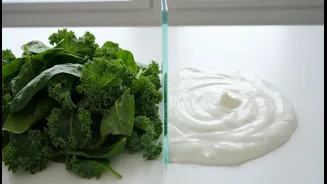
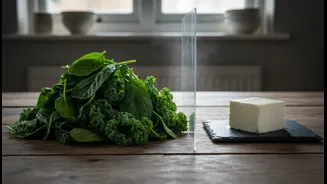
The primary issue arises from the interaction between calcium and iron in our digestive system. Both are essential minerals, but they can compete for absorption. Calcium from dairy can inhibit the body's ability to absorb iron, particularly 'non-heme' iron, which is the type found in plant-based foods like spinach. Think of it like two passengers trying to get through the same narrow gate at the same time; one might get through more easily, slowing the other down. When you consume a meal rich in both calcium and iron, the calcium can significantly reduce how much iron your body actually takes in. This effect is more pronounced when calcium is present in larger amounts. One cup of milk, for instance, contains about 300 milligrams of calcium, a level that can inhibit iron absorption. While this interaction happens, it's important to understand it within the context of a whole meal and a complete diet.
It’s Not Just About Calcium
Calcium isn't the only factor at play. Spinach itself contains compounds called oxalates. Oxalates can bind to minerals, including the iron within the spinach, making it less available for your body to absorb. In fact, some studies suggest that as little as 2% to 5% of the iron in spinach is actually absorbed by the body due to these compounds. So, when you eat palak paneer, you have a double effect: the oxalates in the spinach are already limiting iron absorption, and the calcium from the paneer can reduce it even further. This doesn't make spinach an unhealthy food; it's incredibly nutrient-dense. It simply means that not all of the iron listed on its nutritional profile makes its way into your system.
So, Should You Stop Eating Palak Paneer?
This is the question on every Indian food lover's mind. The short answer is no, you don't need to banish palak paneer from your life. Nutrition experts suggest that for most healthy individuals with a varied diet, the interaction between calcium and iron in a single meal is not a major cause for concern. The human body is smart and regulates nutrient absorption based on its needs. Moreover, long-term studies have shown that the body may adapt over time, and the inhibitory effect of calcium on iron may not have a significant long-term impact on a person's overall iron status. Palak paneer is still a source of protein, vitamins, and other minerals that contribute to a balanced diet. The concern is more relevant for individuals with diagnosed iron deficiency or anaemia, who need to maximise their iron intake from every source.
How to Maximise Your Micronutrients
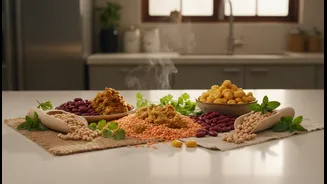
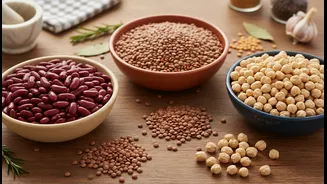
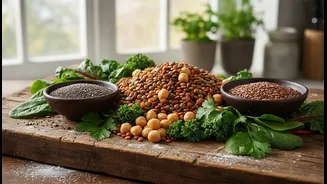
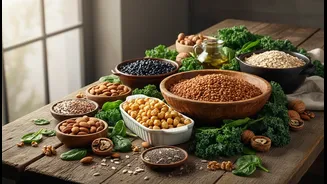
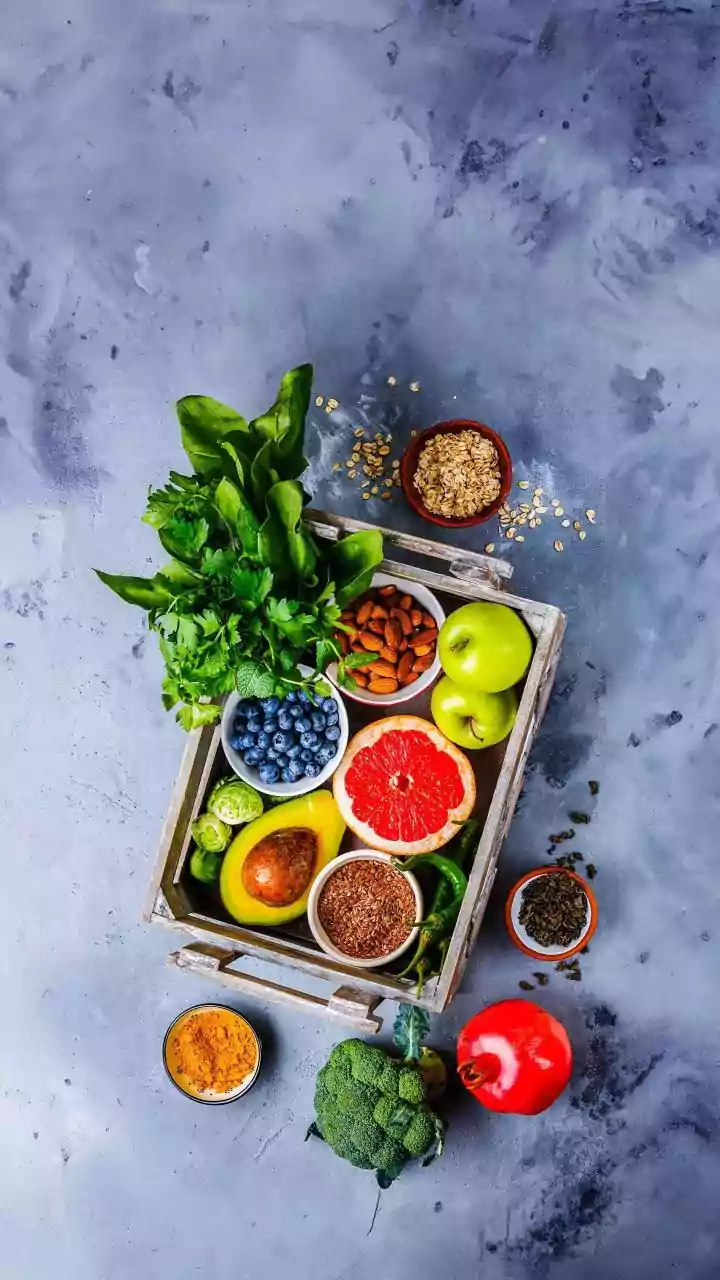
Instead of avoiding food combinations, a better approach is to make small adjustments to boost nutrient absorption. One of the most effective strategies is to add a source of Vitamin C to your iron-rich meals. Vitamin C dramatically enhances the absorption of non-heme iron and can help counteract the effects of inhibitors like calcium and oxalates. Simple additions like squeezing fresh lemon juice over your dal or sabzi, or including tomatoes in your cooking, can make a big difference. If you are specifically trying to manage an iron deficiency, you might consider timing your intake. For example, have your iron-rich lentil soup for lunch and your glass of milk or dahi a few hours later as a snack, rather than together in the same meal. Ultimately, dietary variety is your best friend. Ensure you eat a wide range of iron-rich foods like lentils, chickpeas, and seeds, and don't rely solely on one dish for your nutrient needs.