



Price Dictates the Purchase
For the vast majority of Indian households, the journey through the cooking oil aisle starts and ends with the price tag. With edible oil prices showing a broad-based increase, this focus on cost is more pronounced than ever. Recent trends show that global
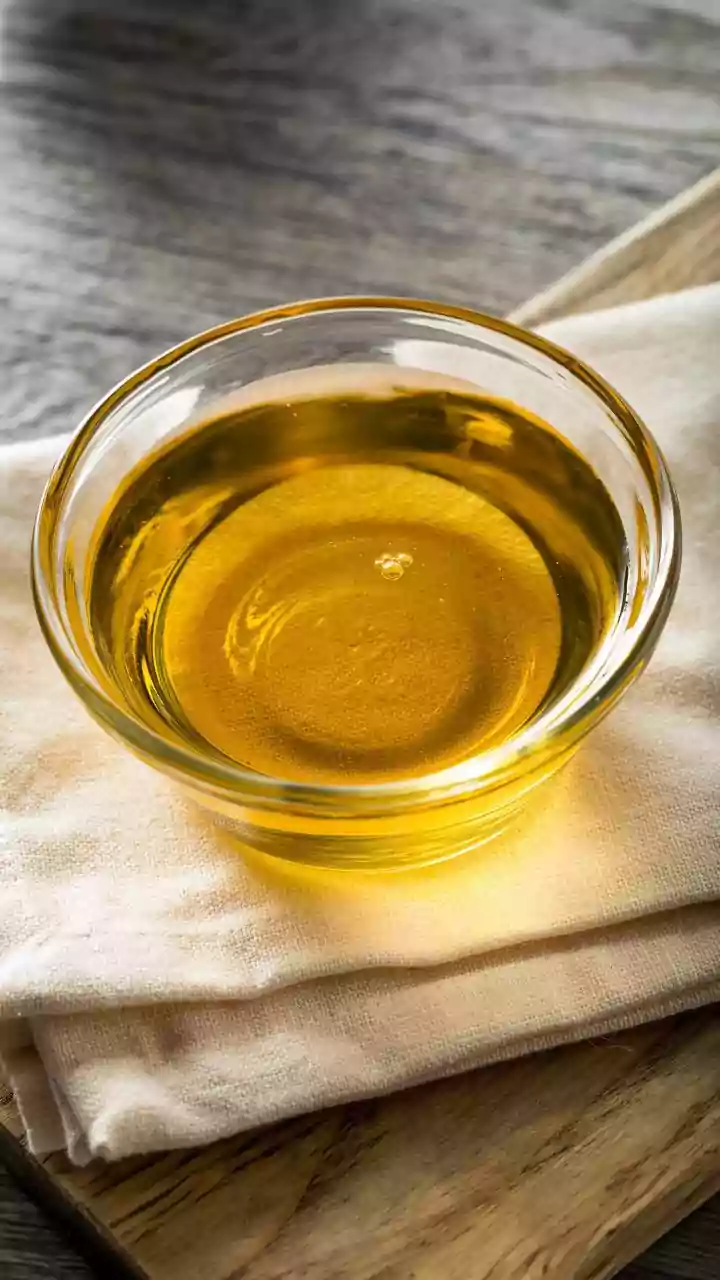
factors, such as the use of edible oils for biofuel production and revised tariff values, can cause significant price fluctuations that are felt directly in domestic kitchens. Palm oil and soybean oil, being major components of India's consumption, are particularly sensitive to these global shifts. When budgets are tight, the lower price of refined oils often makes them the default choice over more expensive cold-pressed or specialty oils. However, while a low price offers immediate relief at the checkout counter, it may not represent the best value in terms of health or cooking suitability.
Matching Oil to Your Cooking
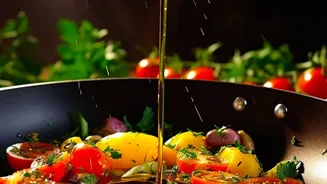
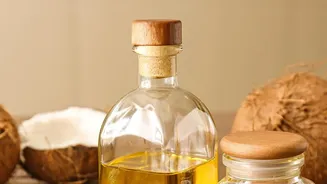
Not all oils are created equal, especially when faced with the high heat of Indian cooking methods. Using the right oil for the right task is crucial for both taste and health. For deep-frying snacks like samosas or pakoras, an oil with a high smoke point, such as groundnut, sunflower, or refined soybean oil, is essential. Heating oil beyond its smoke point can break it down and create harmful compounds. For everyday tadkas, sautés, and curries, a variety of oils work well. Mustard oil, a staple in North and East India, offers a pungent flavour, while coconut oil is preferred in the South for its distinct taste. Lighter, neutral-flavoured oils like sunflower are versatile for dishes where you don't want the oil's taste to dominate.
The Kacchi Ghani vs. Refined Debate
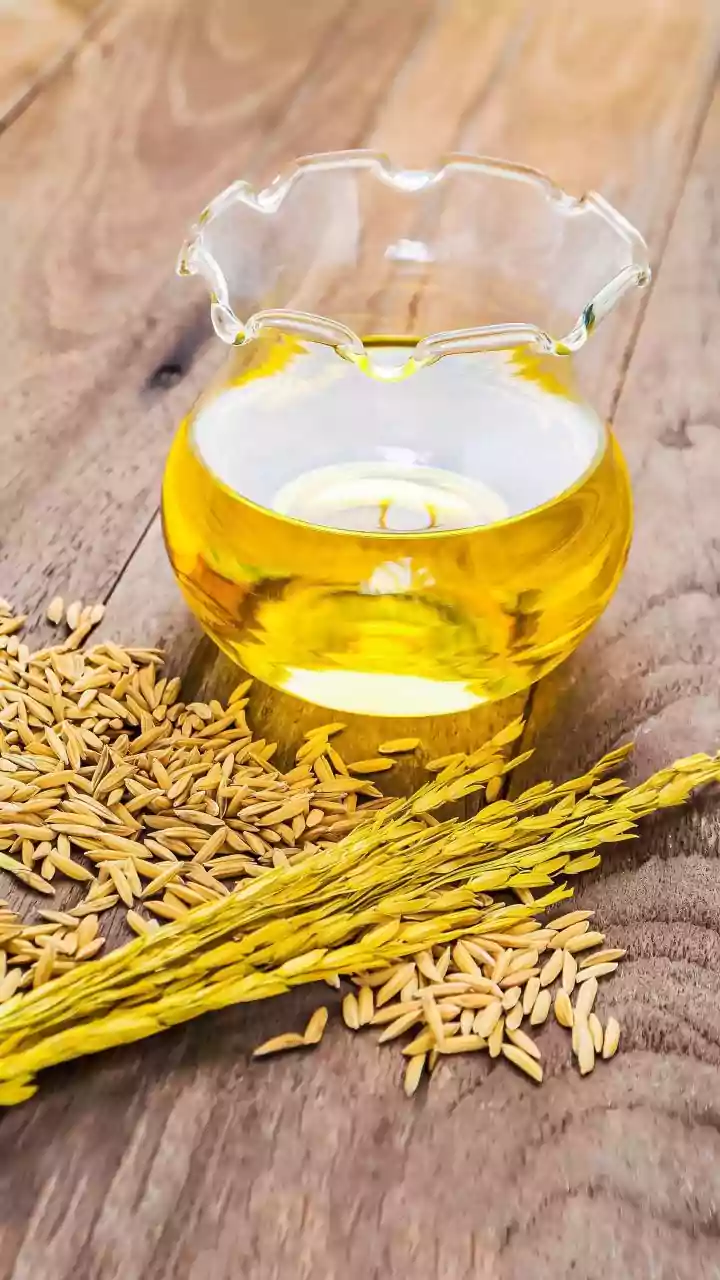
A common dilemma in the Indian kitchen is the choice between traditional 'kacchi ghani' (cold-pressed) and modern refined oils. Kacchi ghani oils are extracted at low temperatures without chemicals, which helps retain their natural flavour, aroma, and nutrients like antioxidants and essential fatty acids. Mustard, groundnut, and sesame oils are widely available in this form. In contrast, refined oils are processed with heat and solvents to create a neutral, odourless product with a longer shelf life and often a higher smoke point. This refining process, however, strips away many of the beneficial nutrients. While kacchi ghani oils are typically more expensive, they offer a richer nutritional profile and a more authentic taste that many prefer for traditional dishes.
Decoding Labels and Health Claims
The labels on cooking oil bottles can be confusing, with terms like 'fortified,' 'cold-pressed,' and 'low-absorb.' Understanding these can help you make a better choice. 'Fortified' means that essential vitamins, typically A and D, have been added to the oil to improve its nutritional quality, a practice encouraged by the FSSAI to combat micronutrient deficiencies. This process does not change the taste or colour of the oil. 'Cold-pressed' refers to the kacchi ghani extraction method that preserves nutrients. Other claims might be more marketing than science. True value comes from understanding the base oil itself—its fat profile and suitability for your cooking—rather than being swayed by buzzwords alone.
A Smart Strategy: Blending Oils
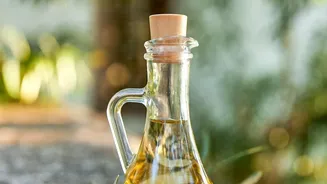
Instead of sticking to a single oil for all purposes, a more practical and healthier approach is to use a combination. This traditional Indian practice allows you to leverage the strengths of different oils while managing your budget. For instance, you could use a cost-effective oil with a high smoke point, like refined sunflower or groundnut oil, for occasional deep-frying. For daily cooking like making sabzis and dals, you might choose a healthier, flavourful kacchi ghani mustard oil. For salads or drizzling, a small bottle of extra virgin olive oil could be used. By using multiple oils, you can ensure you have the right tool for every culinary job, get a wider range of nutrients, and balance cost without compromising on health. Many nutrition experts advise rotating oils to get a balanced intake of different fatty acids.