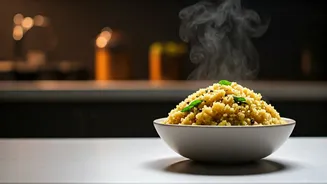




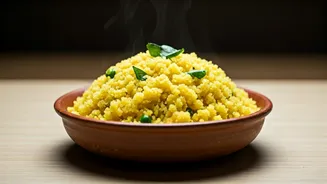
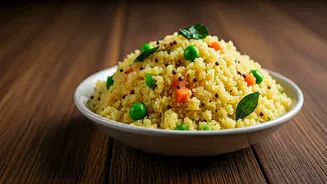
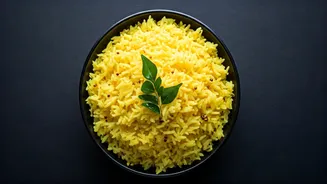


An Antidote to Grey Skies
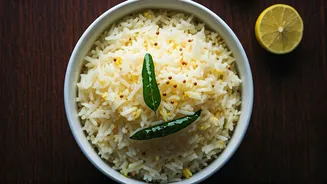
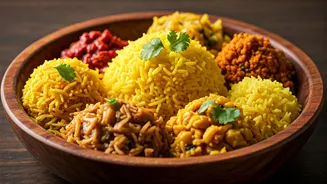
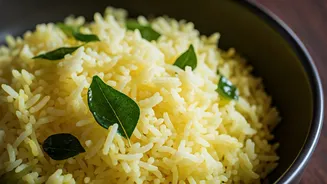
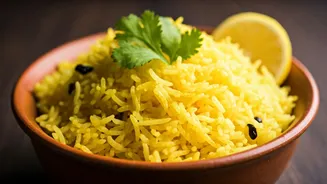
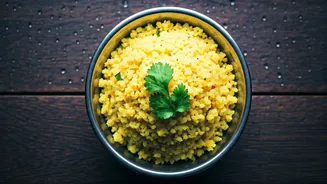
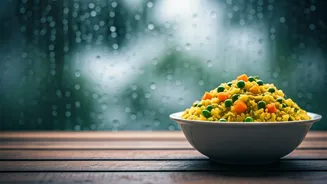
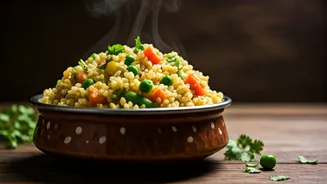
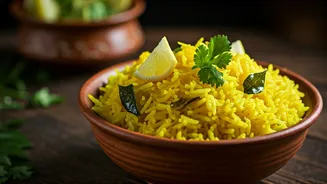
There's a reason why South Indian households turn to Chitranna (as it's known in Karnataka) on a dreary day. It’s a plateful of sunshine. The vibrant yellow hue from turmeric, punctuated by green chillies and curry leaves, is an instant visual pick-me-up.
But the real magic is in the taste. The sharp, zesty punch of lemon cuts through the dampness and gloom, awakening the senses. In a season that can make you feel sluggish and dull, the bright, tangy flavour of lemon rice acts as a culinary reset button, making your lunch feel energetic and cheerful.
Light, Healthy, and Easy on Digestion
Traditional wisdom and Ayurvedic principles often advise eating light during the monsoon. The increased humidity is believed to slow down our 'agni' or digestive fire, making it harder to process heavy, oily foods. Lemon rice is the perfect answer. It's primarily carbohydrate-based, providing sustained energy, but it’s incredibly light on the stomach. Made with minimal oil and packed with the digestive benefits of ginger, asafoetida (hing), and lemon juice, it’s a meal that nourishes without leaving you feeling bloated or heavy. It's the ideal lunch that keeps you productive through the afternoon, rather than sending you searching for a siesta.
The Ultimate Leftover Makeover
Let’s be practical. The monsoon often brings a certain laziness. Who wants to cook an elaborate meal when you can curl up with a book and chai? This is where lemon rice truly shines. It is, without a doubt, one of the most glorious ways to use up leftover rice from the previous night. Cold, day-old rice is actually ideal, as the grains are separate and firm, ensuring your final dish isn't mushy. In less than 15 minutes, you can transform a simple bowl of cooked rice into a flavour-packed, wholesome meal. It’s quick, requires minimal effort, and reduces food waste—a trifecta of kitchen wins.
Gather Your Ingredients
This recipe is built on pantry staples. Here’s what you’ll need: * Cooked Rice: 2 cups, preferably cooled or day-old * Oil: 2 tablespoons (sesame or groundnut oil is traditional) * Mustard Seeds (Rai): 1 teaspoon * Chana Dal: 1 teaspoon * Urad Dal: 1 teaspoon * Peanuts or Cashews: 2 tablespoons * Green Chillies: 2-3, slit lengthwise * Dried Red Chillies: 1-2, broken * Ginger: 1 teaspoon, finely chopped * Curry Leaves: 1 sprig * Turmeric Powder (Haldi): ½ teaspoon * Asafoetida (Hing): A generous pinch * Lemon Juice: 2-3 tablespoons, or to taste * Salt: To taste * Fresh Coriander: For garnish
The Art of the Perfect Tadka
The soul of lemon rice is its 'tadka' or tempering. This is where all the flavours are born. Don't rush this step. Heat the oil in a pan or kadai. Once it's hot, add the mustard seeds and wait for them to splutter—this is non-negotiable for flavour release. Immediately add the chana dal and urad dal, and fry on low heat until they turn a light golden brown. This gives the rice a wonderful crunch. Now, add the peanuts and fry for another minute before adding the green chillies, dried red chillies, chopped ginger, and curry leaves. Sauté for just 30 seconds until the leaves turn crisp and aromatic. Finally, turn off the heat and add the turmeric and asafoetida. Adding them off-heat prevents them from burning and turning bitter.
Bringing It All Together
With your fragrant tadka ready, the rest is simple. Add the cooked rice and salt to the pan. Gently mix everything together, being careful not to break the rice grains. You want every grain to be coated in that beautiful yellow, flavour-infused oil. Once the rice is well-mixed and heated through, turn off the stove completely. Now, for the final, crucial step: pour in the fresh lemon juice. Never add lemon juice while the stove is on, as the heat can make it taste bitter. Give it one last gentle mix, garnish with freshly chopped coriander, and your perfect monsoon lunch is ready to be served. It tastes fantastic on its own or with a side of papad or pickle.