







The Digital Green Wave
The single biggest catalyst for this rapid spread of awareness is digital connectivity. Where environmental news was once confined to niche publications or brief TV segments, social media platforms like Instagram, Twitter, and YouTube have democratised
the conversation. Hashtags like #SaveThePlanet, #ClimateAction, and #SustainableLiving trend regularly, driven by a generation of young Indians who grew up online. Information about melting glaciers, urban flooding in Bengaluru, or heatwaves in Delhi is now instant, visual, and shareable. Digital influencers and content creators have pivoted to focus on eco-friendly lifestyles, sharing tips on everything from composting at home to building a zero-waste kitchen. This constant, accessible stream of information has moved environmentalism from the fringe to the forefront of the national conversation, making it more personal and urgent than ever before.
From Niche to Mainstream Consumerism
This newfound awareness is directly translating into consumer behaviour. Ten years ago, finding a bamboo toothbrush or a package-free grocery store was a challenge. Today, entire sections in supermarkets are dedicated to organic produce, and e-commerce platforms are filled with 'green' alternatives for everyday products. The rise of direct-to-consumer (D2C) brands focusing on sustainability is a testament to this market shift. Consumers are actively seeking out products with minimal plastic packaging, cruelty-free labels, and locally sourced ingredients. This isn't just an urban elite phenomenon anymore. The demand for millets, thrifted clothing (pre-loved fashion), and electric vehicles is growing across different income brackets, signalling a broader cultural move towards conscious consumption. People are beginning to vote with their wallets, and businesses are being forced to listen.
Corporate India Takes Note
When consumers change, corporations follow. Indian companies are increasingly integrating sustainability into their core strategies, driven by both public pressure and investor demand. The language of ESG—Environmental, Social, and Governance—is now standard in boardrooms. Major conglomerates are publishing detailed sustainability reports, pledging to go carbon-neutral, and investing in renewable energy sources. This shift is also visible in marketing, with brands highlighting their eco-credentials to attract conscious buyers. Of course, this has also led to the rise of “greenwashing,” where companies make misleading claims about their environmental impact. However, the very fact that corporations feel the need to appear green is evidence of how much public sentiment has changed. A digitally savvy public is also getting better at holding these companies accountable for their promises.
The Youth Are Leading the Charge
While awareness is growing across all age groups, India's youth are unequivocally at the helm of this movement. Inspired by global figures like Greta Thunberg but rooted in local issues, young activists are organising climate strikes, leading lake clean-up drives, and using legal channels like Public Interest Litigations (PILs) to demand policy changes. They are fluent in the science of climate change and unafraid to challenge the status quo. This youth-led activism is crucial because it creates political pressure. When students protest for better air quality or demand that their cities invest in public transport, politicians are forced to address these issues. This generation views environmental stability not as a choice but as a fundamental right, and their energy is a powerful force for accelerating change.
The Gap Between Awareness and Action
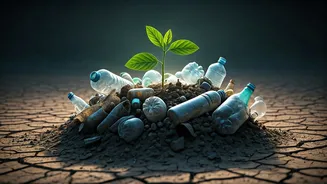
Despite this positive momentum, it's crucial to acknowledge the challenges. A significant gap often exists between awareness and consistent action. While someone might be aware of the plastic problem, the convenience and low cost of single-use plastics are hard to overcome. Sustainable alternatives can be more expensive, limiting their accessibility. Furthermore, individual actions, while important, cannot solve systemic problems without robust government policy and enforcement. India still faces monumental environmental challenges, from water scarcity and air pollution to waste management. The spread of awareness is the critical first step, but it is not the final destination. The true test lies in translating this widespread consciousness into tangible, scalable, and equitable solutions that work for a country of 1.4 billion people.