








Decoding the '100% Fruit' Claim
When you see “100% fruit juice” on a carton, it’s easy to assume it’s nutritionally identical to eating a piece of fruit. However, this label often means the product is 'reconstituted'. This is a process where fruit is first juiced, then has its water
content removed to create a thick, transportable syrup called concentrate. Later, at a packaging facility, water is added back to this concentrate. While the product is technically derived entirely from fruit, this processing significantly changes its nutritional profile. In fact, India's food regulator, FSSAI, has recently directed companies to remove '100% fruit juice' claims from these reconstituted products because they can be misleading. The main ingredient becomes water, with the fruit concentrate present in limited quantities.
The Whole Fruit vs. Juice Dilemma
The single biggest difference between eating a whole fruit and drinking its juice is the absence of fibre. When a fruit is juiced, its pulp and skin—where most of the beneficial dietary fibre resides—are stripped away. This is a crucial loss. Whole fruits contain intrinsic sugars that are bound within the fruit's cellular structure, along with fibre. This fibre slows down digestion and the absorption of sugar into the bloodstream, preventing sharp spikes in blood glucose. Juice, on the other hand, delivers a concentrated dose of 'free sugars' that the body absorbs rapidly, much like a sugary drink. This can lead to a quick energy crash and doesn't provide the same feeling of fullness, or satiety, that eating a whole fruit does.
Why Fibre Is the Missing Hero
Dietary fibre is a powerhouse nutrient essential for good health. It's best known for promoting digestive regularity, but its benefits go much further. Soluble fibre, found in apples, oranges, and pears, forms a gel-like substance in the gut that can help lower cholesterol and regulate blood sugar levels. Insoluble fibre adds bulk and helps material move through your digestive system. By removing fibre, the juicing process eliminates these key benefits. A high-fibre diet is linked to a lower risk of heart disease, type 2 diabetes, and certain cancers, and helps with weight management by keeping you feeling fuller for longer. A glass of juice simply can't offer the same holistic health advantages as its fibrous, whole-fruit counterpart.
The Nuance of 'No Added Sugar'
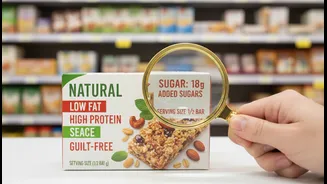
A 'no added sugar' claim on a juice carton doesn't mean it's low in sugar. It simply means that no extra sucrose (table sugar) was added during manufacturing. The naturally occurring sugars from the fruit are still present, and in juice form, they are highly concentrated. Think about it: you might eat one or two oranges in a sitting, but a single glass of orange juice could contain the squeezed sugar of five or six oranges. These fruit concentrates, while natural, behave like free sugars in the body, impacting blood sugar in a similar way to other sweetened beverages. It’s a marketing term that sounds healthy but overlooks the high intrinsic sugar load of the product itself.
Purees, Concentrates, and Other Ingredients
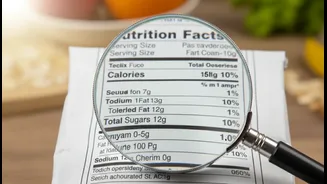
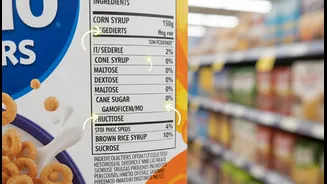
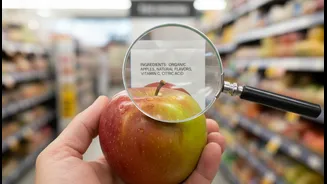
Beyond juice, you'll find fruit purees and concentrates used in many products like fruit snacks, yogurts, and baked goods. A fruit puree is essentially a whole fruit that has been blended, so it often retains more fibre than juice does. However, the processing can still alter its nutritional value. Concentrate, as discussed, is the dehydrated version of juice and is primarily a sweetener. When checking labels, look for the order of ingredients. In India, ingredients are listed by descending order of weight. If 'fruit juice concentrate' or any form of sugar (like glucose syrup or dextrose) is near the top of the list, it's a strong indicator that the product is more of a sweet treat than a healthy fruit alternative.