




The Science of a Covered Pot
Cooking in a covered pot on the stovetop is a familiar process. As you heat the contents, water turns to steam. The lid traps some of this steam, creating a hot, moist environment that cooks the food. However, this system operates at normal atmospheric
pressure. This means the temperature of boiling water inside the pot cannot exceed 100°C (212°F). While the trapped steam helps a little, a significant amount of heat and moisture still escapes. This is why slow-simmered dishes like a rich mutton rogan josh or a hearty dal makhani can take hours to tenderise, as the cooking process relies on sustained heat over a long period at this temperature ceiling.
The Magic of a Pressure Cooker
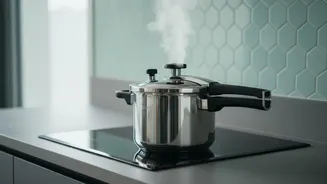
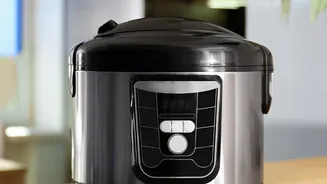
A pressure cooker operates on a simple but brilliant principle of physics. It's a sealed vessel that traps the steam generated from boiling liquid inside. As steam builds up, the pressure inside the cooker increases significantly, often up to 15 pounds per square inch (psi) above atmospheric pressure. This increased pressure forces the boiling point of water to rise from 100°C to as high as 121°C (250°F). This superheated environment dramatically speeds up the chemical reactions that cook food, breaking down tough fibres in meat and vegetables much more quickly. It’s not the pressure itself that cooks the food faster, but the higher temperature that the pressure allows.
From Pot to Pressure Cooker: The Conversion Rule
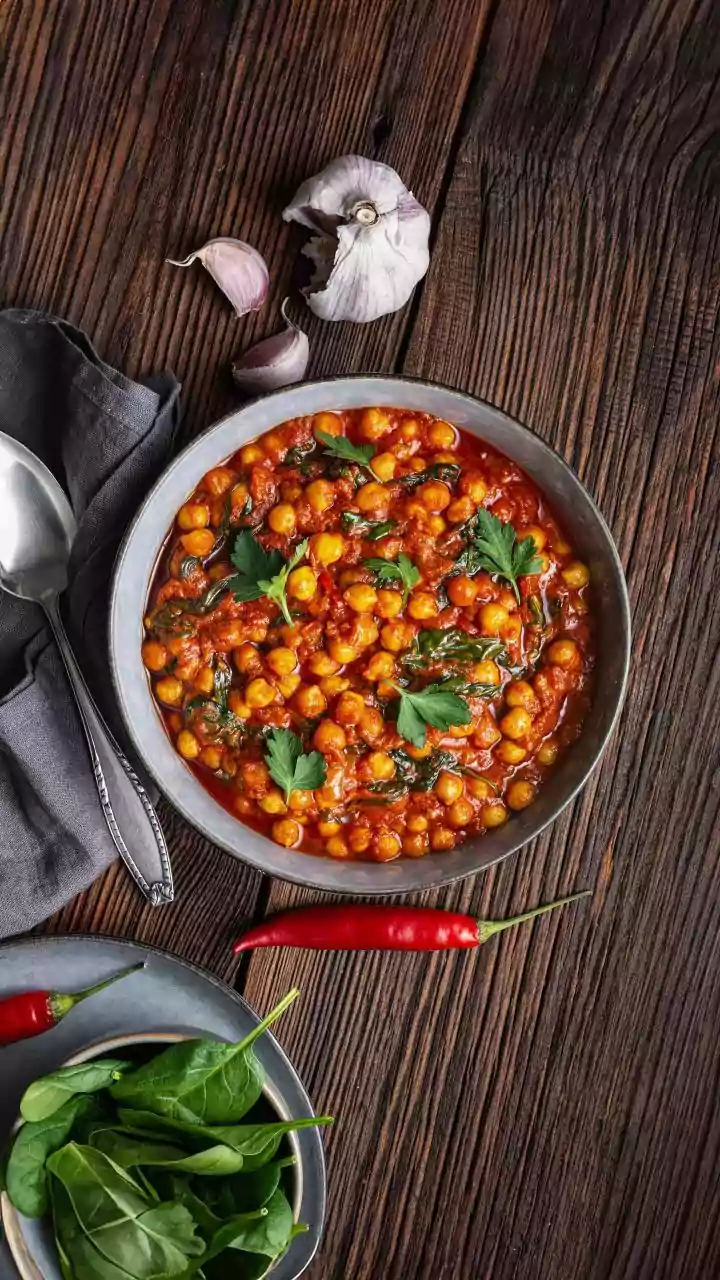
As a general rule of thumb, foods cooked in a pressure cooker need about one-third of the time they would take in a covered pot. So, if your chana masala recipe calls for a 60-minute simmer on the stovetop, it will likely be perfectly cooked in about 20 minutes in a pressure cooker. This can vary, but it's a reliable starting point. You also need to adjust the amount of liquid. Since a pressure cooker is sealed, very little water evaporates. You should typically reduce the liquid called for in a stovetop recipe by about half, ensuring you still have at least one to two cups, as some liquid is necessary to create the steam that builds pressure.
Cooking in Stages for Best Results
One mistake many people make is throwing everything into the pressure cooker at once. In a slow-simmering pot, you can often cook meat and vegetables together because the process is long. In a pressure cooker, this can lead to mushy vegetables by the time the meat is tender. A better approach is to cook in stages. For a chicken curry, for example, you might cook the chicken, spices, and base liquid under pressure first. Then, release the pressure, add quicker-cooking vegetables like potatoes or carrots, and pressure cook for a final few minutes. This ensures every component of the dish has the perfect texture.
Going the Other Way: Pressure Cooker to Pot
What if you have a pressure cooker recipe but want to make it in a regular pot? The conversion is straightforward: you'll need to significantly increase the cooking time, likely tripling it. You will also need to add more liquid, as a covered pot loses much more moisture to evaporation during a long simmer. Keep an eye on the dish and add more water or broth as needed to prevent it from drying out and scorching. This method is ideal for days when you have more time and want to fill your home with the slow-building aroma of a simmering curry.
Bonus: Better Nutrient Retention
Beyond speed, pressure cooking offers another significant advantage: it retains more nutrients than boiling. The shorter cooking times and the use of less water mean that water-soluble vitamins and minerals are less likely to break down or leach out into the cooking liquid. One study found that pressure-cooked broccoli retained over 90% of its vitamin C, compared to just 66% for boiled broccoli. Because the sealed environment limits exposure to air, it also reduces the oxidation of sensitive nutrients.