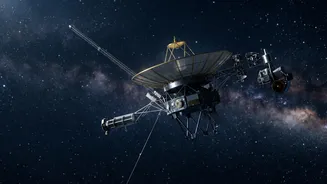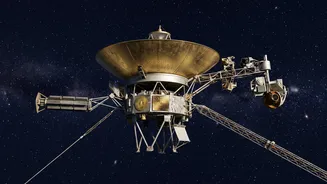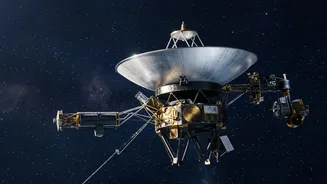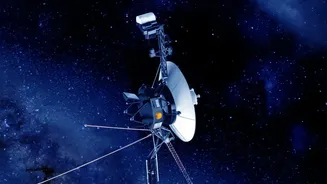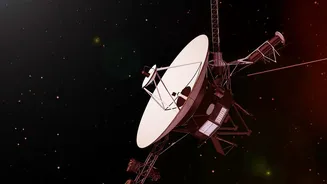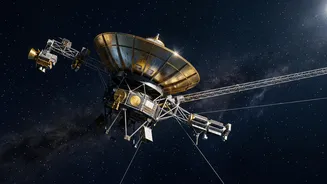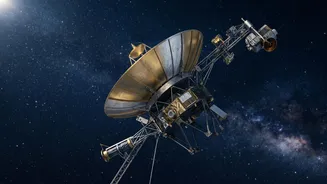

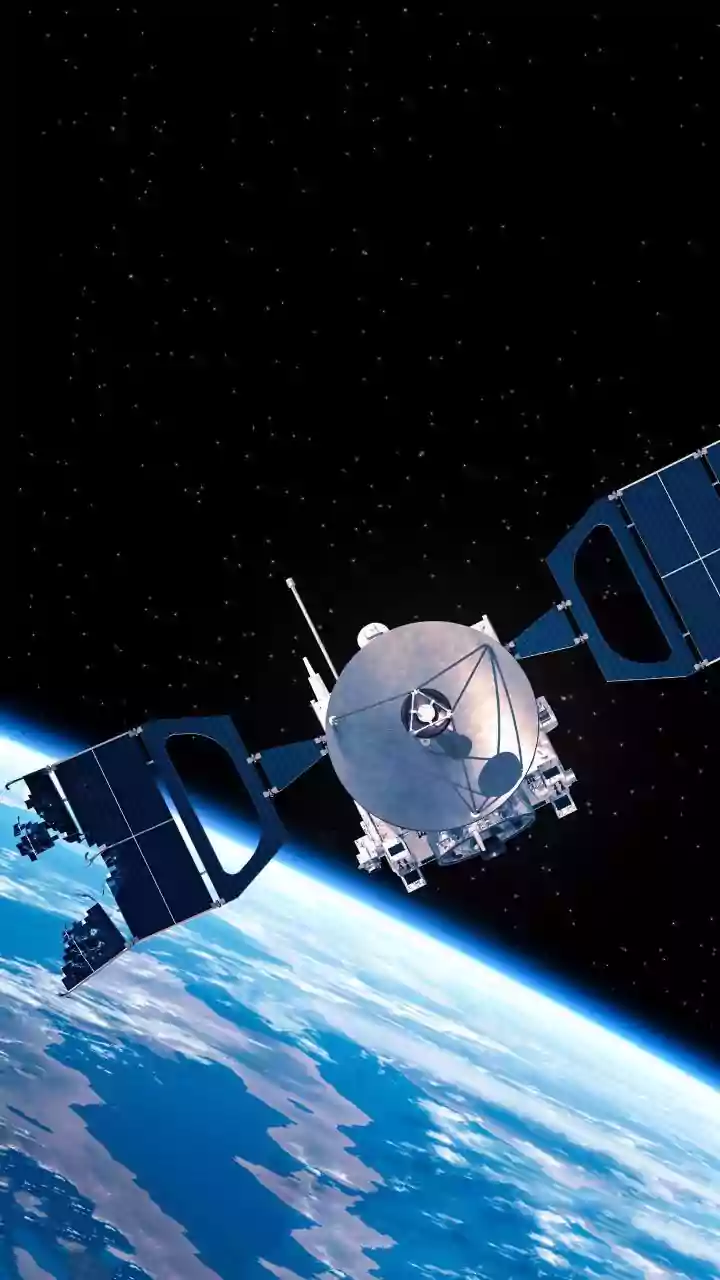

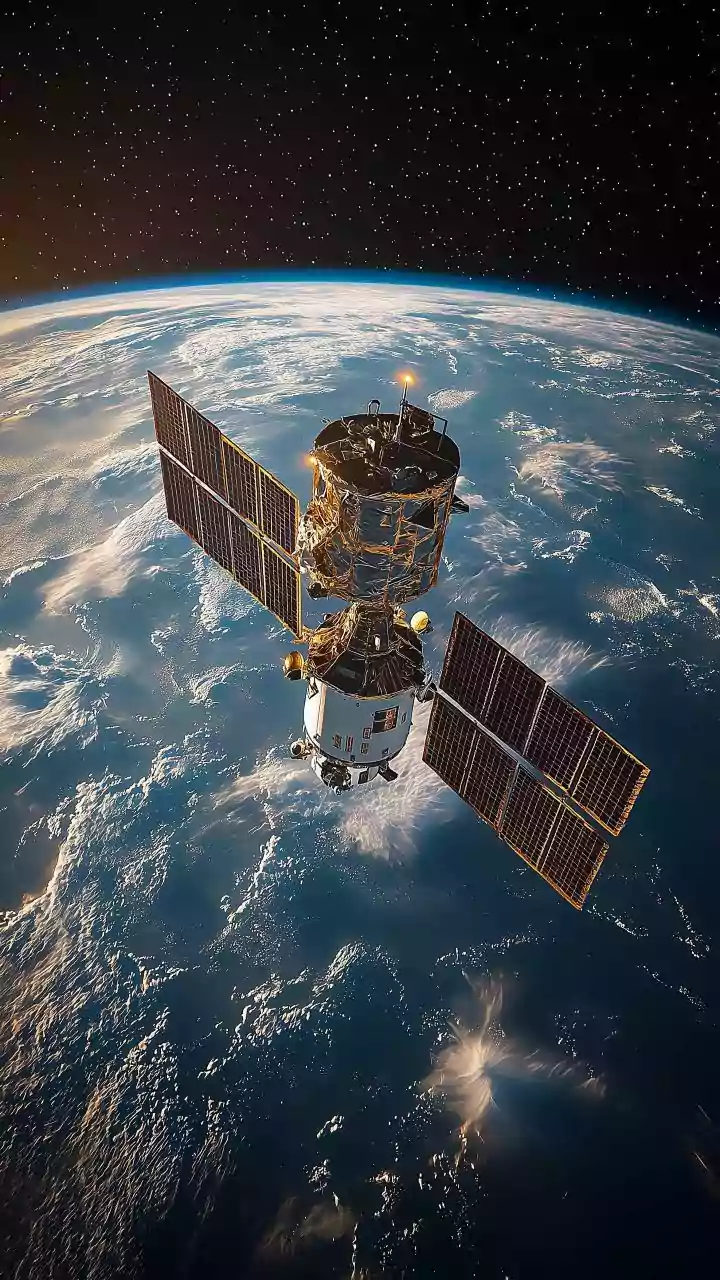
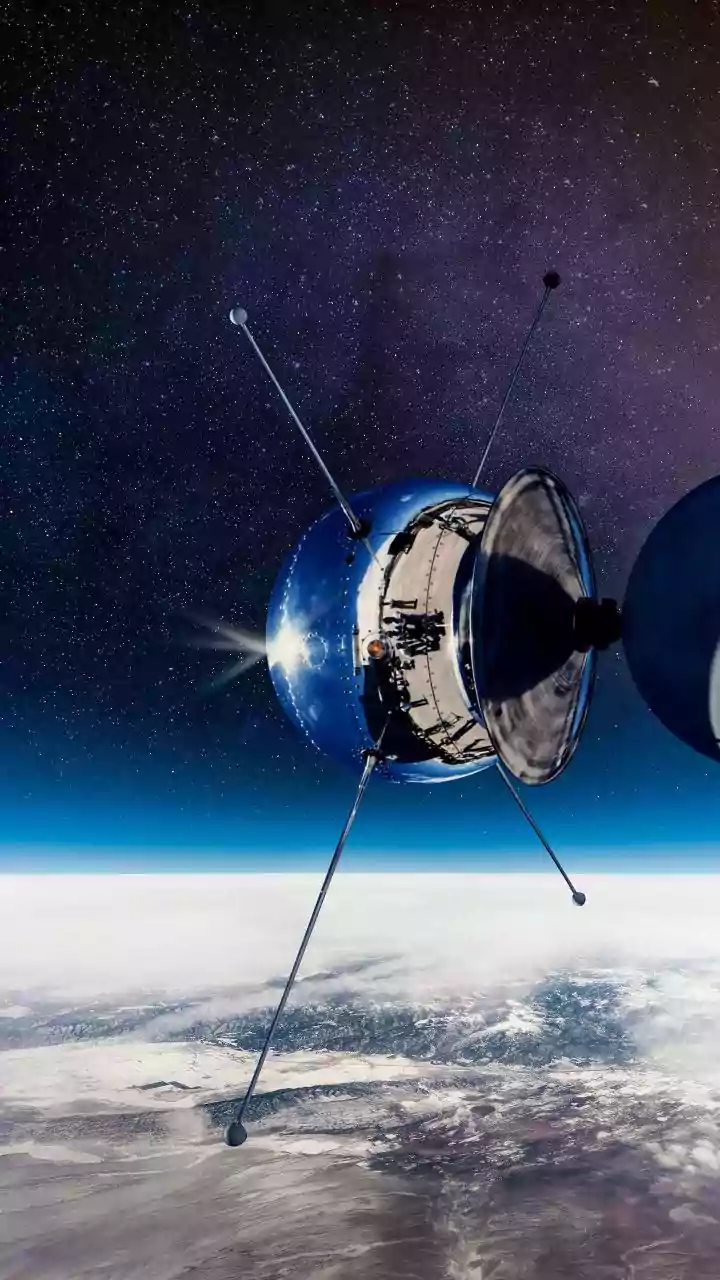
Humanity’s farthest messenger, the Voyager 1 spacecraft, recently gave its creators a scare. After nearly 49 years of trailblazing through the cosmos, the probe fell silent, forcing NASA engineers to confront the immense challenges of a deep space mission.
A Ghost in the Signal
For roughly 48 hours in mid-October 2026, NASA's Deep Space Network heard nothing from Voyager 1. The spacecraft missed two scheduled communication check-ins on October 18 and 19, a concerning first for the mission. Before the engineering team at the Jet Propulsion Laboratory (JPL) could even transmit troubleshooting commands across the vastness of space, Voyager 1’s signal reappeared on October 20. The probe, it seems, had fixed itself. Data retrieved after contact was restored showed the spacecraft’s fault protection system had automatically activated. It detected an issue with a primary group of thrusters, took them offline, and switched to a backup set. While this built-in safety protocol worked as designed, the root cause of the thruster anomaly remains under investigation, leaving engineers to piece together what happened billions of kilometres from home.
The Fading Power of a Legend
The brief signal loss highlights the precarious state of the aging probe. Voyager 1, along with its twin, Voyager 2, is powered by a radioisotope thermoelectric generator (RTG), which converts the heat from decaying plutonium into electricity. After nearly five decades, that power supply is dwindling, losing about four watts of power each year. This forces the mission's engineers to make difficult decisions about which systems to shut down to conserve energy. It’s a delicate balancing act. Some components must be kept warm enough to prevent critical systems, like fuel lines, from freezing in the frigid environment of interstellar space. The team has become masterful at managing this decline, finding creative ways to keep the spacecraft alive.
An Engineering 'Big Bang'
Just weeks before the communication gap, engineers completed a major power-saving manoeuvre nicknamed the 'Big Bang'. In early September 2026, they simultaneously switched three devices on Voyager 1 to lower-power alternatives. This coordinated swap was essential not only for reducing power consumption but also for maintaining proper heat distribution across the spacecraft. The successful procedure, which followed a similar one on Voyager 2, has extended the mission's life. Without it, NASA might have been forced to shut down another of Voyager 1’s remaining science instruments as early as the summer of 2027. As it stands, the probe still operates a plasma wave subsystem and a magnetometer, which continue to send back unprecedented data from beyond our solar system.
A Milestone Across the Void
Even as engineers diagnose its latest quirks, Voyager 1 is about to cross a monumental threshold. On November 18, 2026, the spacecraft will become the first human-made object to be one light-day away from Earth, a distance of nearly 26 billion kilometres. At that range, a radio signal traveling at the speed of light takes a full 24 hours to reach the probe. Any reply will take another 24 hours to return. This means a simple 'hello' and response now involves a twonday wait. This staggering distance underscores Voyager's incredible journey since its own launch and the profound dedication of the teams who have guided it from a pale blue dot into the interstellar darkness.