




The Science of Monsoon Dressing
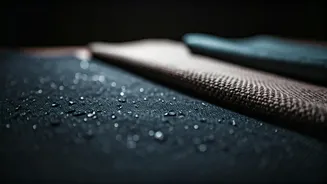
Dressing for the Indian monsoon is a unique challenge. It’s not just about staying dry; it’s about battling the relentless humidity that often hovers above 80%. The ideal monsoon fabric must perform three key functions: it needs to be breathable to let
your skin release heat, it must dry quickly after an unexpected downpour, and it should be lightweight enough that it doesn't cling uncomfortably to your skin when damp. Fabrics that work wonders in dry heat can become your worst enemy when the air is thick with moisture. The goal is to choose materials that manage moisture effectively, keeping you feeling fresh whether you're navigating a commute or indoors.
Your Monsoon Wardrobe Heroes
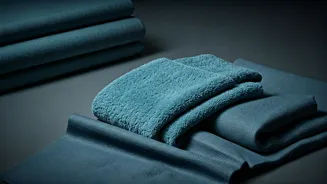
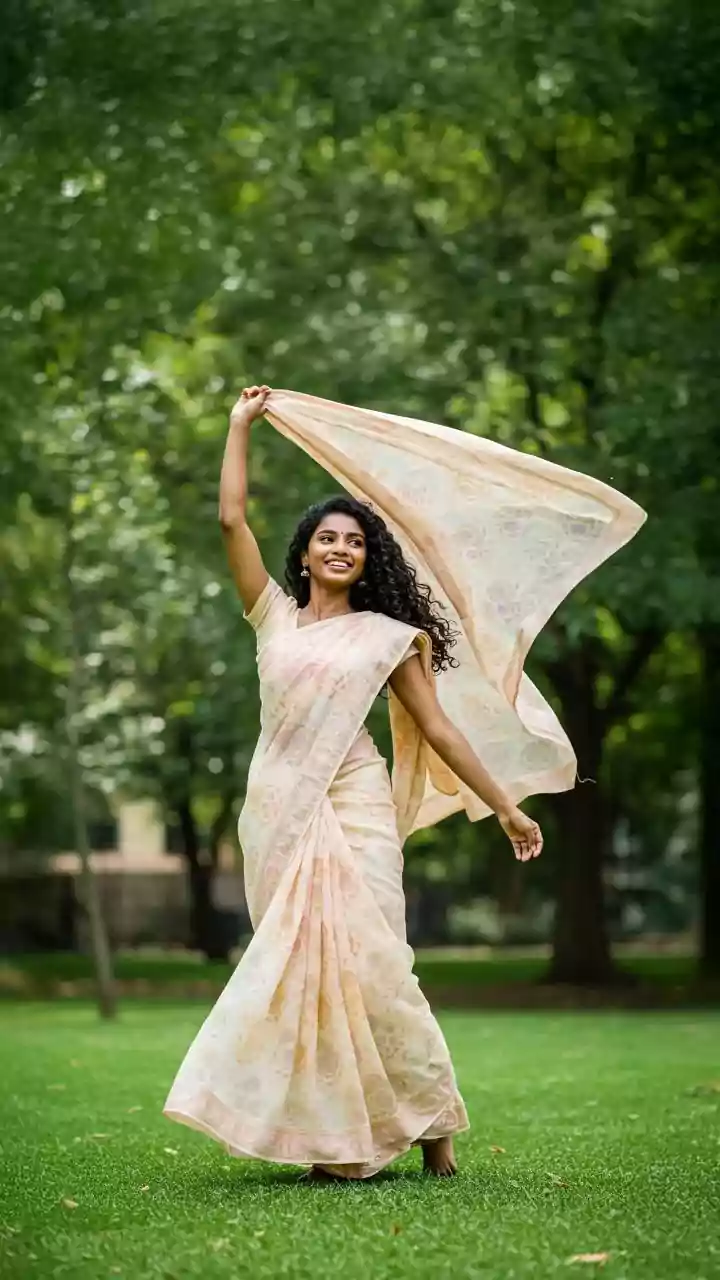
To conquer the season in comfort, turn to these champion fabrics. Lightweight cottons, like mulmul and voilé, are excellent choices as they are breathable and absorb moisture, keeping you cool. Rayon is another star performer; this semi-synthetic fabric is celebrated for its smooth, cool texture and ability to dry faster than pure cotton, making it perfect for flowy dresses and tops that won't stick to you. Linen and linen-blends are also fantastic due to their exceptional breathability and moisture-wicking properties; they actually get softer when damp and dry quickly. For days with heavy rain, don't shy away from synthetics entirely. Polyester blends and crepe are practical as they repel water and dry incredibly fast, preventing that soggy, weighed-down feeling. Synthetic georgette is another brilliant option, especially for ethnic wear like sarees and kurtas, as it drapes well and holds its shape even when wet.
Fabrics to Sideline This Season
Just as important as knowing what to wear is knowing what to avoid. Heavy, pure cotton, especially denim, is a major offender. It absorbs a tremendous amount of water and can take hours, if not days, to dry in high humidity, often developing a musty smell. Pure silk is another fabric to sideline; it not only takes a long time to dry but can also develop permanent water spots from raindrops. Thick, non-breathable polyester can feel like wearing a plastic bag in humid conditions, trapping heat and sweat against your skin and leading to discomfort. Similarly, fabrics like leather and suede are completely impractical for the rainy season, as they are easily damaged by water. Heavy, embellished fabrics should also be avoided, as the intricate work can trap moisture against the skin.
Style Secrets for Rainy Days
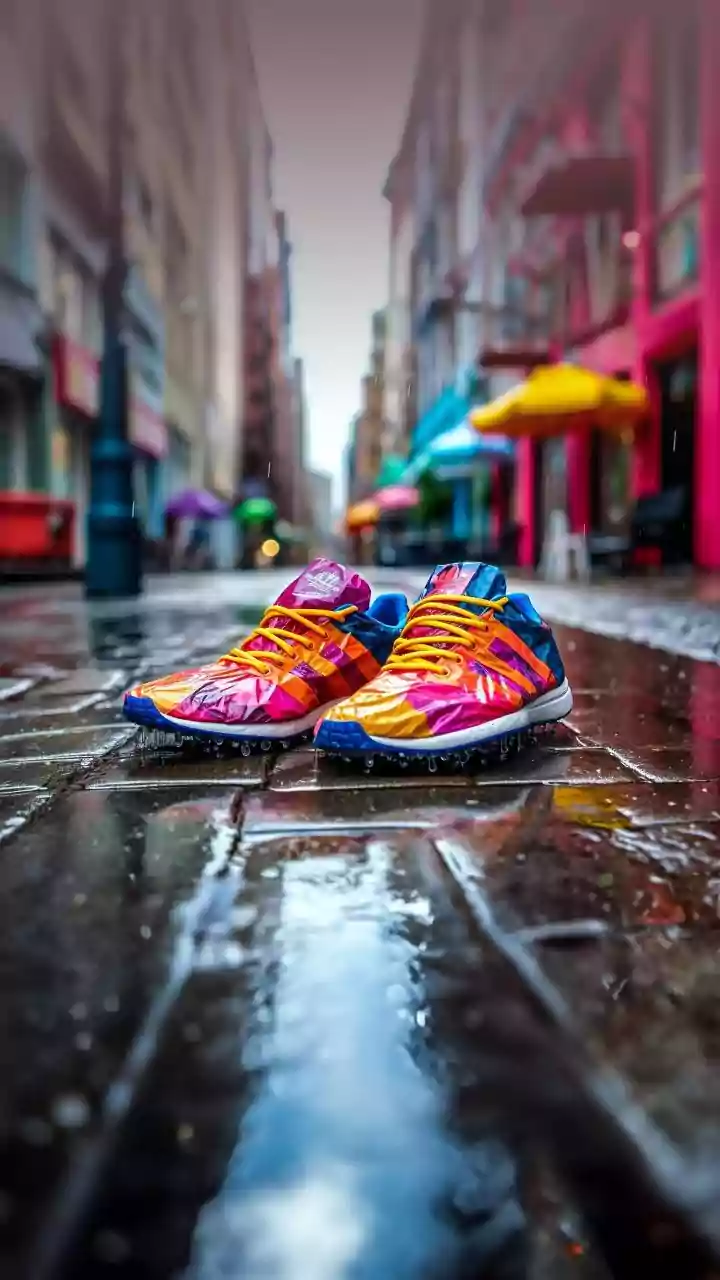
Beyond the fabric itself, a few styling adjustments can make a world of difference. Opt for shorter hemlines—think culottes, cropped pants, and knee-length dresses—to avoid dragging your clothes through muddy puddles. This is also the perfect season to embrace bright, vibrant colours like yellows, pinks, and blues, which can lift your spirits on a gloomy day and cleverly hide minor splashes or stains. When it comes to ethnic wear, choose shorter kurtas paired with leggings or structured trousers. And don't forget your footwear; swap out leather and suede for waterproof options like stylish rubber flats, anti-skid sandals, or PVC juttis to navigate wet streets safely and comfortably.