


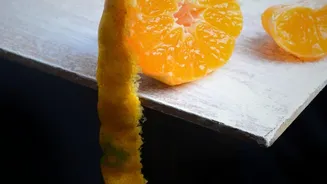
The Gut-Friendly Power of Peels
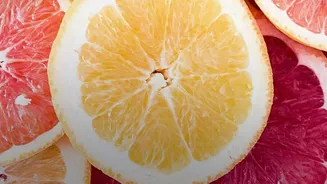
The secret to this marmalade's gut-friendly credentials lies in pectin, a type of soluble fiber concentrated in the peel and pith of citrus fruits. Pectin functions as a prebiotic, meaning it serves as food for the beneficial bacteria in your gut, like
Bifidobacteria and Lactobacillus. A healthy community of these microbes is essential for balanced digestion, reduced inflammation, and a strong immune system. When your gut bacteria ferment pectin, they produce short-chain fatty acids (SCFAs) like butyrate, which helps maintain a healthy gut lining. Making marmalade at home allows you to control the ingredients, avoiding the artificial thickeners and preservatives found in some store-bought jars. The process itself—simmering the peels until tender—releases this natural pectin, which thickens the preserve while delivering these digestive benefits.
Choosing Your Oranges
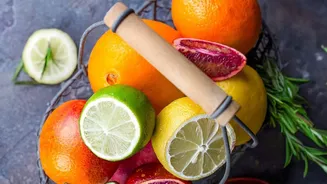
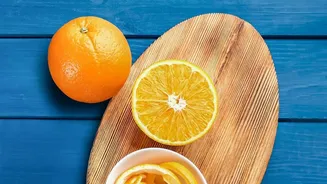
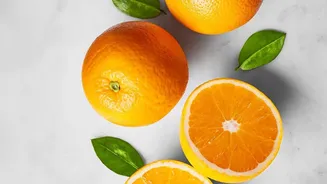
Before you begin, it’s important to select the right fruit. Since you will be using the entire peel, opt for organic or unwaxed oranges whenever possible. Many conventionally grown citrus fruits are coated with a layer of wax and sprayed with pesticides to extend their shelf life, which is not something you want to concentrate in your marmalade. If you can only find waxed oranges, be sure to scrub them thoroughly under hot water with a vegetable brush to remove as much of the coating as you can. Any type of orange will work, from Navel to Seville, so feel free to use what you have on hand.
A Simple Zero-Waste Recipe
This recipe uses the whole fruit to minimize waste and maximize flavor. You will need approximately 4 medium oranges, 1-2 lemons for extra pectin and acidity, about 6 cups of sugar, and 8 cups of water. 1. Prepare the Fruit: Wash the oranges and lemons well. Halve them and scoop out the flesh and seeds. Set the empty peels aside. Chop the fruit flesh roughly. Bundle the seeds and any thick white pith you removed into a small piece of cheesecloth; this contains a lot of pectin and will help your marmalade set naturally. 2. Soften the Peels: Thinly slice the orange peels. Place the sliced peels, the chopped fruit, the cheesecloth bundle, and the water into a large, heavy-bottomed pot. Bring to a simmer and cook for 45-90 minutes, or until the peels are very tender when pierced with a fork. 3. Cook the Marmalade: Remove the cheesecloth bundle, squeezing out any liquid back into the pot. Add the sugar and the juice from your lemons. Bring the mixture to a rolling boil over high heat, stirring occasionally to prevent it from sticking. Continue to boil until the marmalade reaches its setting point. 4. Check the Set: To check if it's ready, place a small plate in the freezer when you start boiling. After about 15-20 minutes of boiling, spoon a small amount of the marmalade onto the cold plate, let it cool for a minute, and then push it with your finger. If it wrinkles, it’s ready. If not, continue boiling and test again in a few minutes.
Storage and Customization
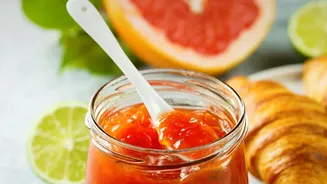
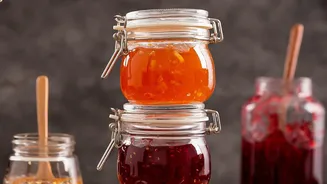
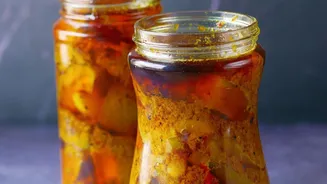
Once ready, carefully pour the hot marmalade into sterilized glass jars, leaving a little space at the top. Seal the jars while hot. As they cool, you should hear a 'pop' that indicates a proper seal has formed. Stored in a cool, dark place, this marmalade will last for months. Once opened, keep it in the refrigerator. Feel free to get creative with your recipe. Add a cinnamon stick, a star anise, or a vanilla bean to the pot while cooking for a spiced version. You can also experiment with a mix of citrus fruits, such as grapefruit or limes, for a more complex flavor profile.
More Than Just Marmalade
Embracing a zero-waste philosophy opens up a world of culinary possibilities beyond marmalade. Leftover orange peels can be used to infuse vinegars for cleaning, candied to make a sweet treat, or dried and ground into a powder to flavor baked goods and savory dishes. By reimagining what we consider 'scraps,' we can not only create delicious and healthy foods but also take a meaningful step toward a more sustainable kitchen.