
Why Day-Old Rice is a Kitchen Hero
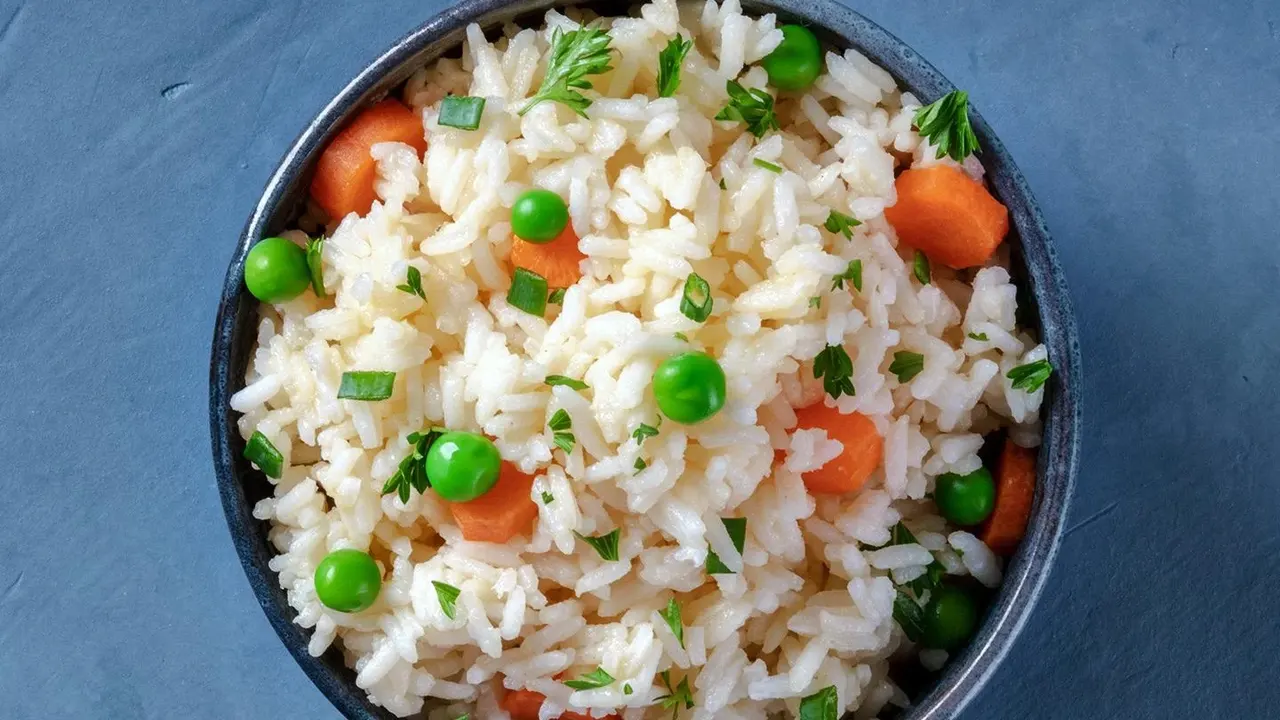
There’s a scientific reason why so many recipes call for day-old rice. When rice cools in the refrigerator, it undergoes a process called retrogradation. The starches firm up and the individual grains lose moisture, making them less sticky and clumpy.
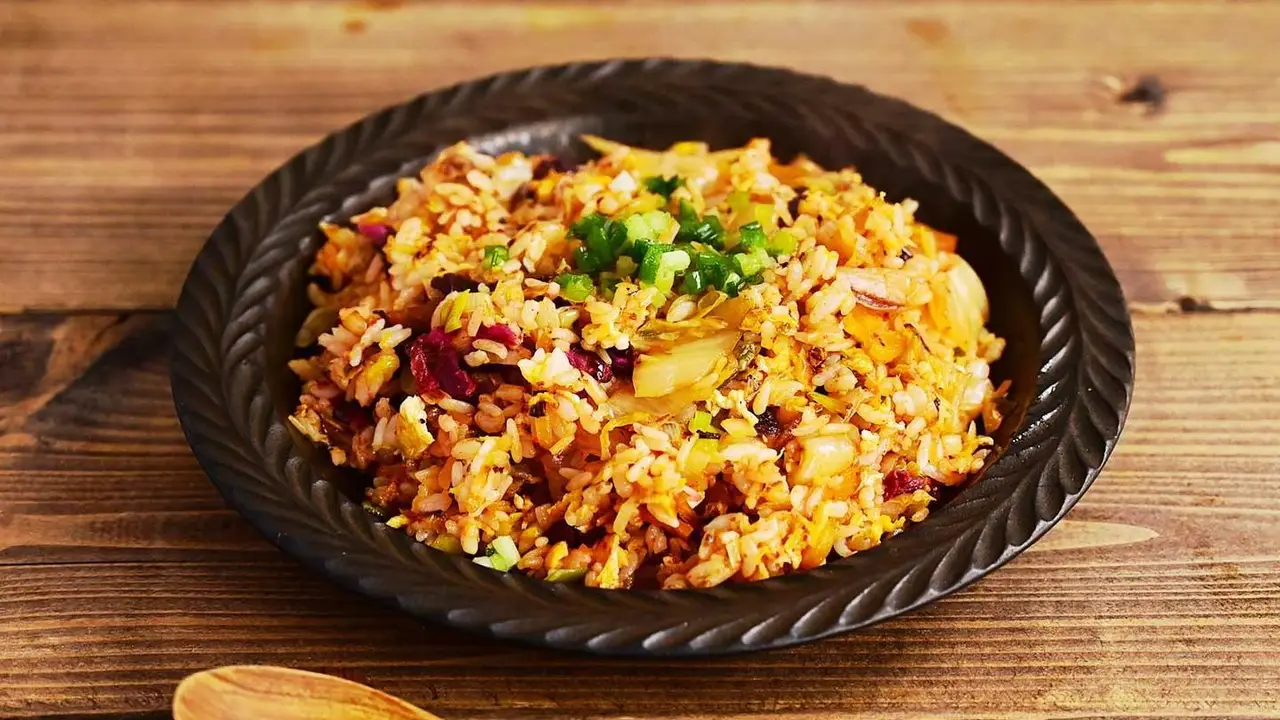
This is the secret to perfectly separate grains in fried rice, but it’s also what makes leftover rice the ideal base for creating crispy textures. Freshly cooked, steamy rice is often too soft and wet, which can lead to a mushy final product. So, that leftover rice isn't just convenient; it's often better for achieving the textures found in many of today's most popular dishes. By starting with chilled, dry rice, you're setting yourself up for culinary success.
The Viral Salmon Rice Bowl
Perhaps the most famous leftover rice creation is the viral salmon rice bowl, popularised by TikTokker Emily Mariko. This deconstructed sushi-style bowl is as simple as it is satisfying. Start by flaking a leftover cooked salmon fillet onto a plate. Top it with a scoop of cold rice and, in a now-famous trick, place a single ice cube on top before covering and microwaving. The ice cube steams the rice, rehydrating it perfectly without making it soggy. Once heated, remove the ice, and add a drizzle of soy sauce, a dollop of Kewpie mayonnaise, and a squirt of sriracha. Mix everything together until creamy, and serve with sliced avocado and roasted seaweed sheets for scooping. It’s a complete, flavour-packed lunch in minutes.
The Addictive Crunch of Crispy Rice
The crispy rice trend has taken the internet by storm, offering a crunchy base for endless toppings. There are a few ways to achieve this. One popular method is to press seasoned leftover rice into a thin layer on a baking sheet, toss with oils and sauces like soy sauce and chili crisp, and bake until golden and crunchy. This creates crunchy clusters perfect for adding texture to salads, replacing croutons entirely. Another method involves shaping the rice into small, compact rectangles or circles, chilling them, and then pan-frying or air-frying them until crisp. These crispy rice cakes become the perfect vehicle for toppings like spicy tuna, avocado, or cream cheese, mimicking a popular appetiser found in high-end Japanese restaurants.
Jumeokbap: Korean Rice Balls
For a portable and highly customisable option, look no further than Jumeokbap, or Korean rice balls. The name literally translates to "fist rice," referring to how they are shaped. Simply take your leftover rice and mix it with ingredients like sesame oil, soy sauce, and finely chopped vegetables. From there, you can add fillings like tuna mixed with mayonnaise, or stir in cooked ground beef or chopped kimchi. To form the balls, it's helpful to wear plastic gloves to prevent sticking. You can then roll them in furikake (a dry Japanese condiment) or crushed seaweed for extra flavour and texture. They are perfect for a quick snack, a packed lunch, or as part of a larger meal.
From Dumplings to 'Faux-sotto'
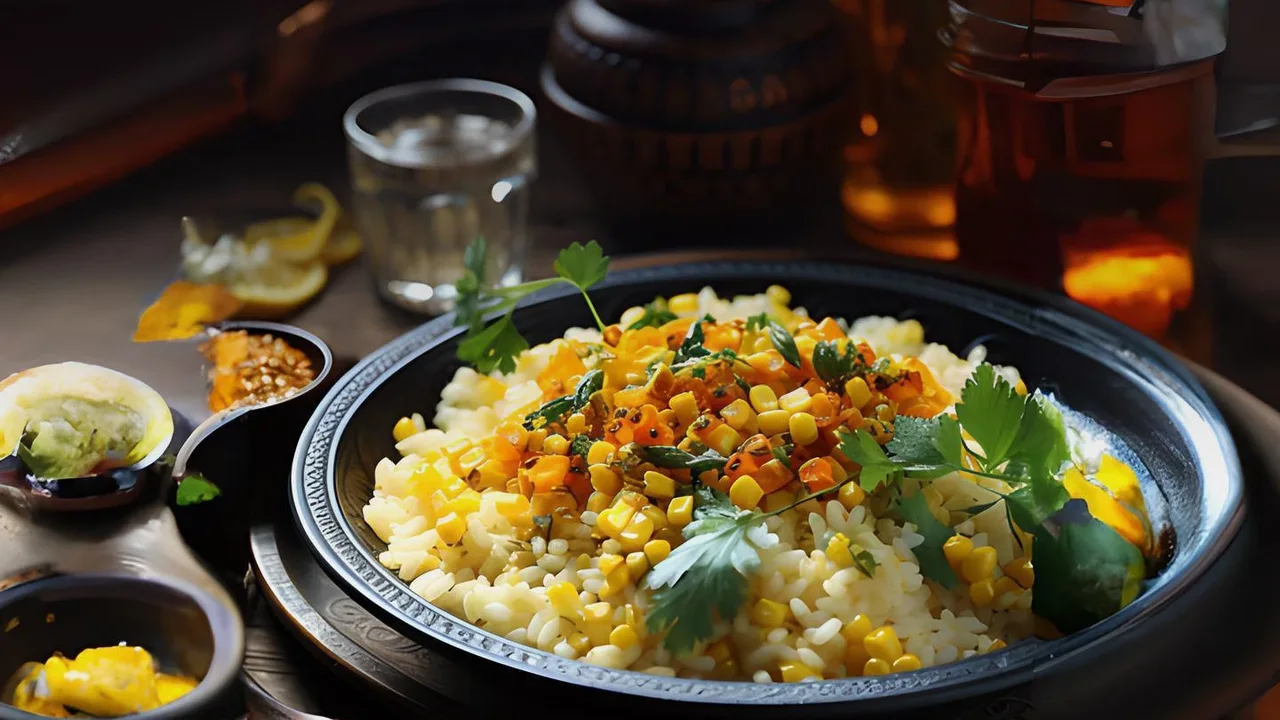
The versatility of leftover rice doesn't end there. One viral hack shows how to blend leftover rice with a bit of flour to create a dough. This dough can then be rolled out, filled with meat or vegetables, and steamed to create unique, tender dumplings. For those craving something creamy, you can create a quick "faux-sotto." Since cooked rice has already released its starches, you can't make a traditional risotto. However, by gently heating the rice with broth or milk and a thickening agent like rice flour, you can create a creamy, risotto-like dish in about 10 minutes. It’s a comforting and clever way to give that old rice a completely new and elegant identity.