





Dressing for the Downpour: Essential Gear
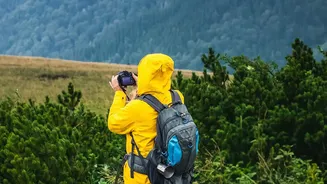
Your comfort and safety on a monsoon trek hinge almost entirely on your gear. The key is to stay as dry as possible without trapping sweat. Start with your footwear. This is non-negotiable: you need trekking shoes with deep grooves and a strong grip,
preferably with ankle support. The volcanic basalt rock of the Sahyadris becomes incredibly slippery when wet, and standard sports shoes or sneakers are a serious hazard. Pair these with quick-drying synthetic or wool-blend socks; cotton socks absorb water and cause blisters. For clothing, choose lightweight, synthetic materials that dry quickly. Avoid cotton and jeans at all costs, as they become heavy and cold when wet. A reliable rain poncho is often better than a raincoat, as it covers both you and your backpack, offering better ventilation. Finally, ensure your backpack has a rain cover to keep your essentials—like a first-aid kit, extra clothes, and electronics—completely dry. Using dry sacks or even simple zip-lock bags inside your pack provides an extra layer of protection.
Navigating the Trail with Caution
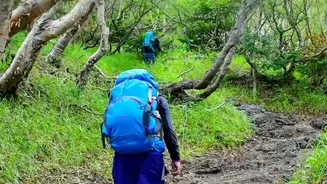
Monsoon trails present unique risks that demand constant awareness. The primary dangers are not just the rain itself, but flash floods in narrow gullies, slippery rock faces, and swollen stream crossings that can become impassable. Before you even leave, research your chosen trail. Some routes are known to be high-risk during heavy rains and are best avoided. Always trek in a group and consider hiring a local guide if you are unfamiliar with the terrain. On the trail, walk slowly and deliberately, especially on wet rocks and muddy slopes. A trekking pole can provide an extra point of contact and significantly improve your stability. Be extremely cautious when crossing streams and never attempt to cross if the water is fast-flowing or deep. It's crucial to stay on the designated path; shortcuts can lead to soil erosion and are often more dangerous. Always keep an eye on the weather, as conditions in the mountains can change rapidly.
The Inevitable Leeches: Prevention and Removal
Leeches are a common, and largely harmless, part of the monsoon trekking experience in the Western Ghats. While their presence can be unnerving, a few simple precautions can keep them at bay. The best defence is a physical barrier. Wear full-length trousers and tuck them tightly into your socks. Anti-leech socks, which are tightly woven and extend up to your knees, are an excellent investment. Wearing light-coloured clothing can also help you spot any leeches that manage to get on you. For added protection, you can apply repellents. Some trekkers use DEET-based sprays on their shoes and the bottom of their pants. Local remedies like applying a mixture of Dettol, salt, or lime juice to your shoes and socks are also popular deterrents. If you do get bitten, don't panic and don't pull the leech off, as its mouthparts can get stuck and cause infection. Instead, you can apply salt, a sanitizer, or gently slide a fingernail or card under its mouth to break the seal, after which it will fall off. Clean the wound with an antiseptic and apply a bandage if needed.
Trekking with Respect: Eco-Etiquette
Preserving the pristine beauty of the Western Ghats is a responsibility every trekker shares. The core principle is 'Leave No Trace'. This means everything you carry into the forest must be carried back out. This includes all food wrappers, plastic bottles, and any other non-biodegradable waste. To minimize waste from the start, avoid bringing packaged foods and instead carry snacks in reusable containers. Stay on marked trails to prevent soil erosion and damage to delicate flora. Keep your voice down and avoid playing loud music; this allows everyone to enjoy the natural sounds of the forest and avoids disturbing wildlife. Never feed wild animals, as it disrupts their natural behaviour and can be harmful to their health. When it comes to human waste, use designated bio-toilets where available. If not, dig a small 'cat-hole' at least 200 feet away from any water source, trail, or campsite. By following these simple rules, you help ensure that these beautiful landscapes remain intact for future generations to enjoy.