



Navigating Post-Monsoon Weather
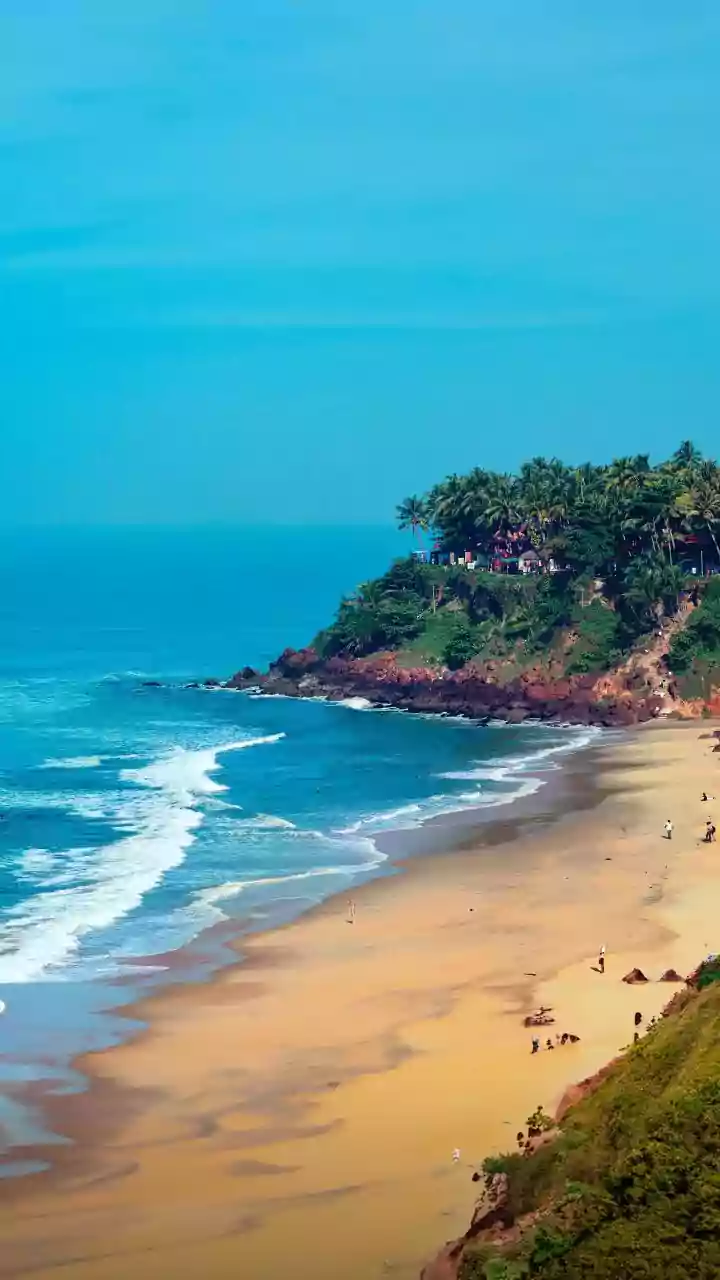
October marks the transition away from the heavy monsoon rains across most of India, welcoming clearer skies and comfortable temperatures. However, the monsoon's retreat is not uniform. While northern regions like Rajasthan and Delhi become pleasantly
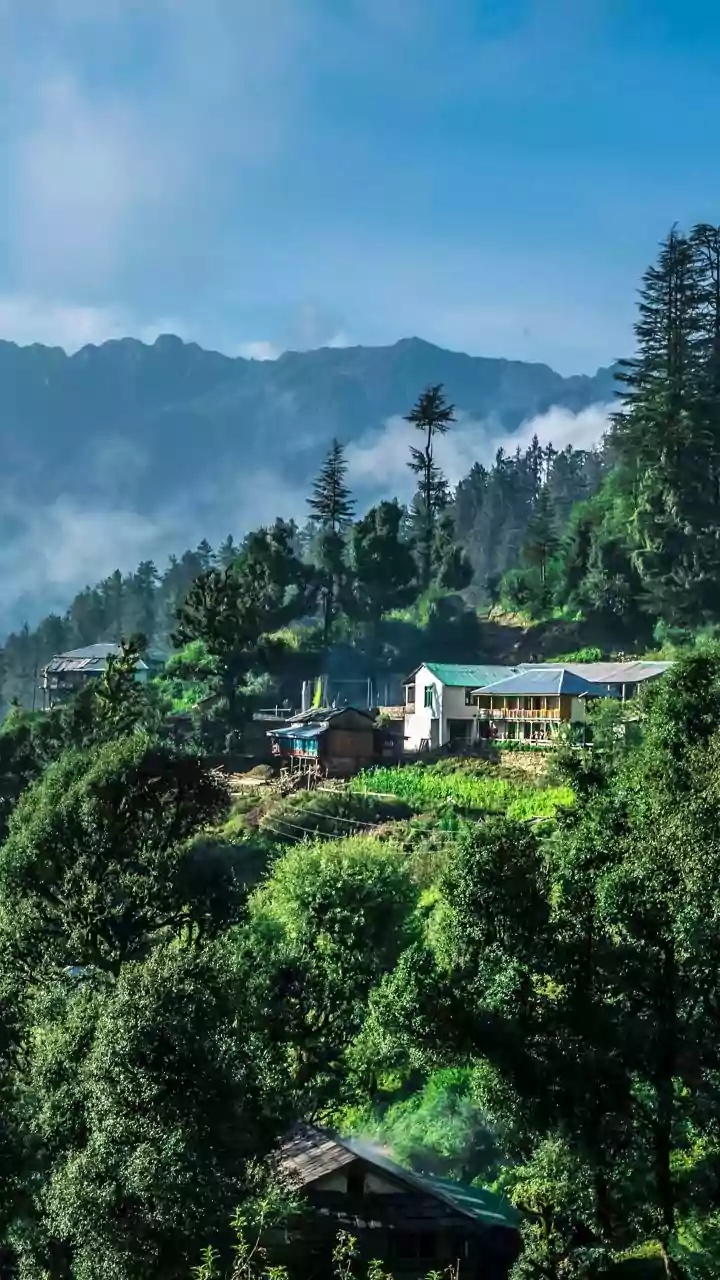
warm and dry, some southern and eastern coastal areas may still experience occasional showers early in the month. This climatic variability means a fixed schedule can be disrupted. A flexible approach allows you to linger in a sun-drenched city or pivot your plans if a sudden downpour occurs. This adaptability ensures you follow the good weather, not a predetermined route, making for a much more enjoyable experience. The landscapes, freshly washed and vibrant green, are a major draw, and flexibility lets you enjoy them without being rushed.
Embracing the Festive Season
October is a month of major festivals in India, including Navratri, Dussehra, and often Diwali. In 2026, Shardiya Navratri begins on October 11, with Dussehra celebrated on October 20. While these festivals offer an unparalleled cultural spectacle, they also bring significant travel disruption. Trains, flights, and hotels get booked out weeks or months in advance. Roads can become congested, and public transport operates on different schedules. Instead of viewing this as a hurdle, a flexible itinerary allows you to embrace it. You could extend your stay in a city like Kolkata to witness the spectacular Durga Puja or join the grand Dussehra celebrations in Mysore. Trying to stick to a tight schedule during this period can lead to stress and missed connections, whereas a looser plan allows you to participate in the festivities.
The Reopening of Natural Wonders
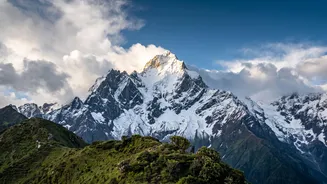
Many of India’s national parks and wildlife sanctuaries close during the monsoon due to heavy rains and for animal breeding season. October marks their reopening, offering prime opportunities for wildlife sightings against a backdrop of lush, rejuvenated forests. Similarly, some high-altitude trekking routes in the Himalayas, like in parts of Uttarakhand and Himachal Pradesh, become accessible again with clear mountain views. A flexible plan lets you take advantage of these newly available destinations. You could add a last-minute safari to your trip or embark on a trek that wasn't possible just a month earlier. This freedom to chase spontaneous opportunities is a key benefit of not locking yourself into a rigid plan.
Avoiding the Crowds
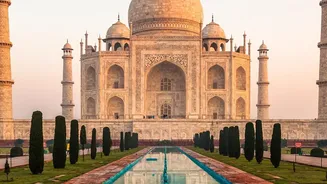
October is considered a 'shoulder season' in many parts of India. The weather is fantastic, but the peak tourist rush of November to January hasn't quite begun. This creates a sweet spot for travellers. However, popular destinations like Goa, Rajasthan, and Kerala still see a significant influx of visitors. A flexible itinerary helps you navigate these crowds. If a major landmark like the Taj Mahal feels too busy, you can adjust and visit at sunrise the next day. If you arrive in a town and find it overrun due to a local festival, you have the freedom to move on to a quieter, nearby alternative. This ability to sidestep the busiest spots ensures a more relaxed and authentic travel experience.
The Joy of Unplanned Discoveries
Ultimately, the best argument for a flexible itinerary in India is the space it creates for serendipity. Some of the most memorable travel moments come from unplanned detours—a conversation with a local who recommends a hidden gem, an invitation to a family celebration, or stumbling upon a vibrant market you didn't know existed. A rigid schedule packed with back-to-back bookings leaves no room for these spontaneous adventures. By building buffer time into your plan, you allow the journey to unfold organically. This approach transforms travel from a checklist of sights to see into a collection of genuine experiences and personal discoveries.