


An Ancient City for the Digital Age
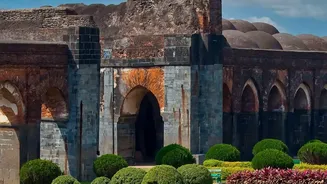
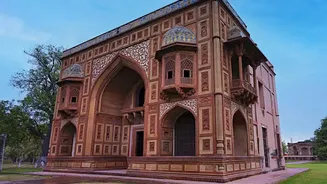
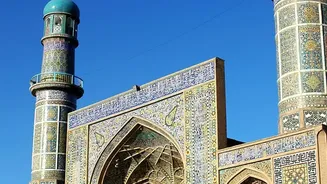
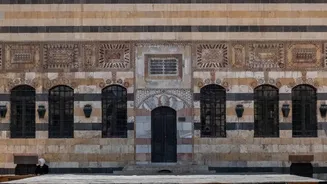
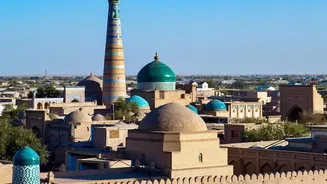
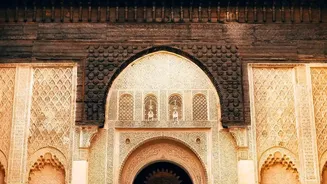
For a generation that documents life through a lens, Samarkand is a visual feast. The city's crown jewel, the Registan square, is flanked by three grand madrasas adorned with intricate blue tiles, majestic domes, and towering minarets that create a stunning
backdrop. Beyond the Registan, the Shah-i-Zinda necropolis offers a street of mausoleums, each a masterpiece of Timurid-era architecture, providing endless photo opportunities. This blend of epic history and photogenic beauty makes it a powerful draw for young travelers eager to fill their social media feeds with something unique, moving beyond the predictable tourist trails. The Uzbek government has also actively courted social media influencers to showcase the country's beauty, further boosting its online visibility and appeal.
Affordability Meets Authenticity
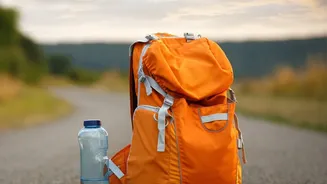
One of the biggest drivers for its popularity is simple: Uzbekistan is incredibly budget-friendly. For backpackers, particularly from India, the value is exceptional. A backpacker can comfortably get by on about $20 to $45 a day. Hostel dorms are available for as low as $5-10, and a hearty local meal like the national dish, plov, can cost just a couple of dollars. This affordability allows for longer trips and deeper immersion in the culture without the financial strain of more traditional destinations. Travelers can explore the bustling Siyob Bazaar, which retains its authentic local character, or stay in family-run guesthouses, all while keeping costs low.
Open Doors and Easy Access
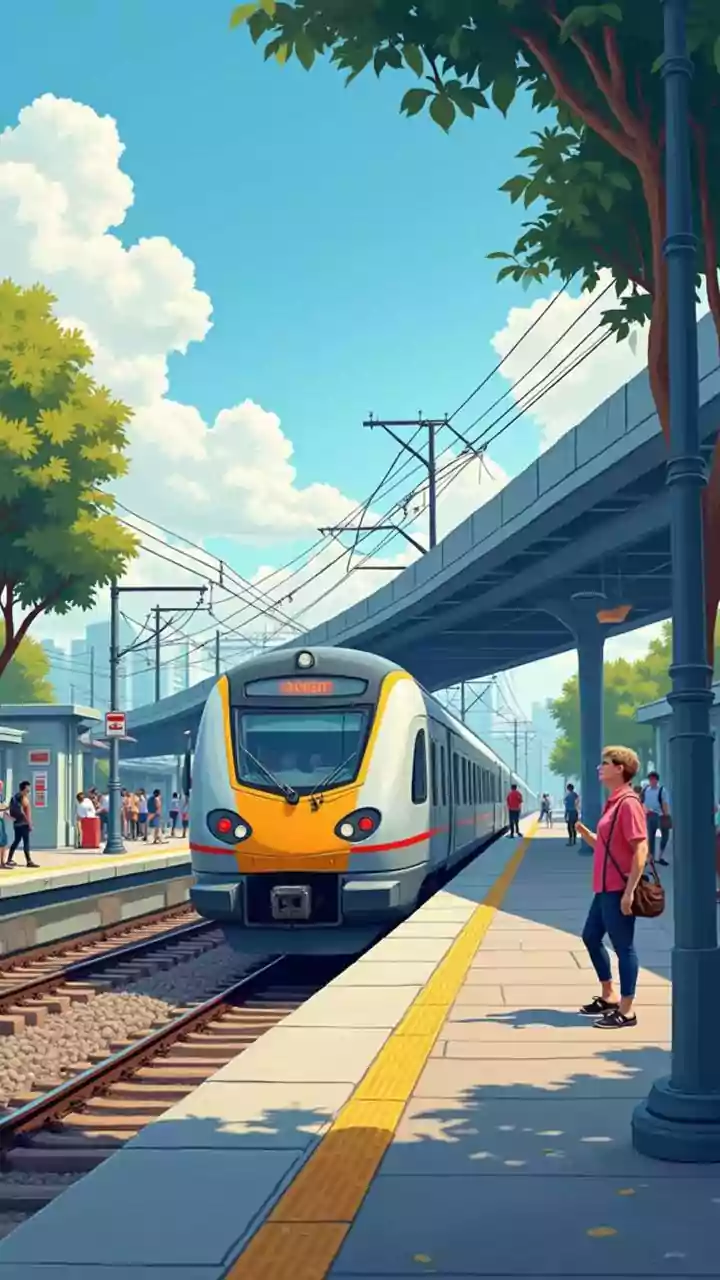
Getting to Uzbekistan has become significantly easier, a key factor in its tourism boom. The country has relaxed its visa policies for many nationalities. Notably for Indian passport holders, Uzbekistan offers visa-free entry for stays up to 30 days, removing a major bureaucratic hurdle that once deterred casual travel. This, combined with an efficient high-speed train network connecting major cities like Tashkent, Bukhara, and Samarkand, makes navigating the country both straightforward and comfortable. The historic centers of these cities are also highly walkable, further reducing transport costs for budget-conscious visitors.
More Than Just Monuments
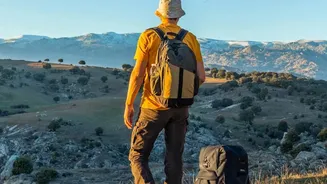
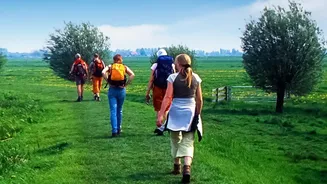
While the architecture is the main draw, young travelers are discovering a rich cultural experience. The appeal lies not just in seeing the monuments but in experiencing the life around them. From tasting freshly baked bread at a traditional bakery to exploring artisan workshops in villages like Konigil, there are numerous hands-on cultural activities. The country is also expanding its offerings beyond historical sightseeing to include adventure tourism, with opportunities for trekking and mountain biking. This combination of profound history and living culture provides the kind of authentic, story-rich experience that Gen Z travelers increasingly seek.