


The Building Blocks of Life: Amino Acids
Protein is a crucial macronutrient, essential for building and repairing tissues, making enzymes, and supporting overall growth. But what is protein actually made of? The answer is amino acids. Think of them as the building blocks. There are 20 different
amino acids that form the proteins in your body. Of these, nine are considered 'essential' amino acids. Our bodies cannot produce these nine on their own, so we must get them from the food we eat. These include histidine, isoleucine, leucine, lysine, methionine, phenylalanine, threonine, tryptophan, and valine.
The Quest for 'Complete' Protein
A food source is considered a 'complete protein' when it contains all nine essential amino acids in sufficient quantities. Animal products like meat, eggs, and dairy are classic examples of complete proteins. Most plant-based foods, however, are considered 'incomplete'. This doesn't mean they are bad; it simply means they are low in one or more of the essential amino acids. The specific essential amino acid that is lowest in a food is called its 'limiting amino acid' because it limits the body's ability to build its own proteins using that food source alone.
Grains and Legumes: A Nutritional Puzzle
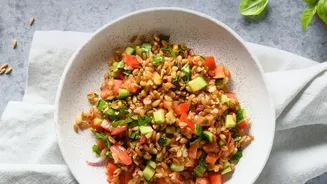
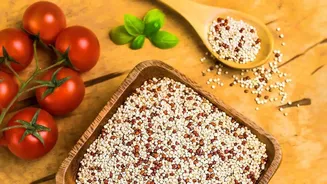
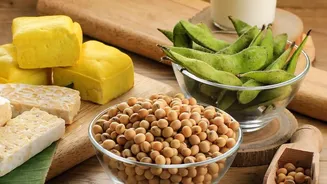
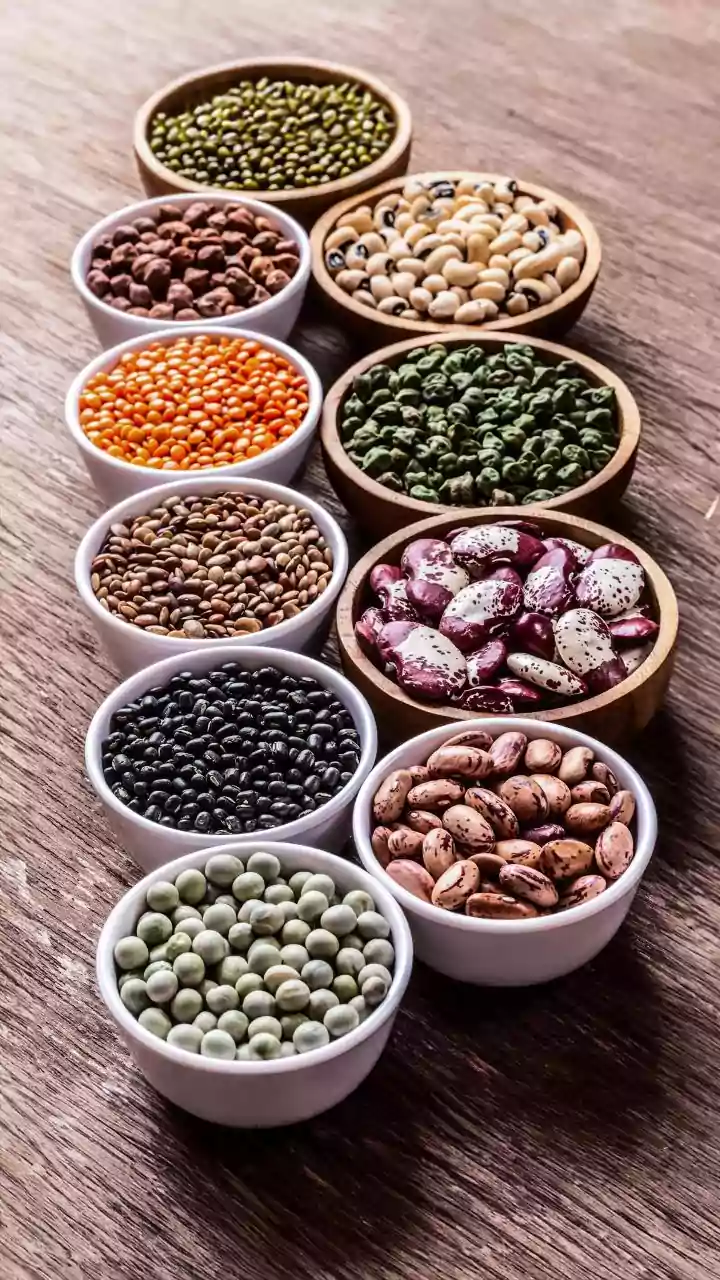
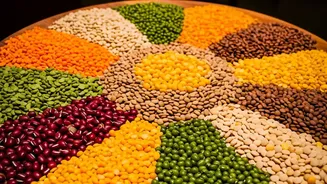
This is where the nutritional profiles of grains and legumes become fascinating. Cereals and grains like rice and wheat are generally low in the essential amino acid lysine. On the other hand, legumes—a food group that includes lentils (dals), beans (rajma, chana), and peas—are typically low in the essential amino acid methionine. So, if you were to eat only grains or only legumes, your body wouldn't get a balanced supply of all the building blocks it needs.
The Genius of Protein Complementarity
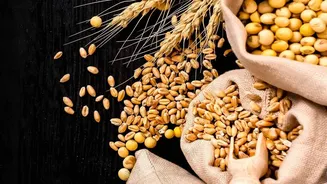
The solution is a simple yet powerful concept called protein complementarity. By pairing foods that have different limiting amino acids, you can create a meal that provides a complete protein profile. The amino acid that is lacking in one food is supplied by the other, and vice versa. It’s a perfect nutritional partnership. When you eat grains and legumes together, the lysine from the legumes compensates for the lack of it in the grains, and the methionine from the grains makes up for what's missing in the legumes. The result is a high-quality, complete protein meal, created entirely from plant sources.
Measuring Protein Quality: The PDCAAS Score
This improvement is not just theoretical; it can be measured using a metric called the Protein Digestibility-Corrected Amino Acid Score (PDCAAS). This score evaluates a protein's quality based on both its amino acid profile and its digestibility. A score of 1.0 is the highest possible, indicating that the protein provides 100% or more of the required essential amino acids after digestion. While a single plant source like wheat might have a lower score, combining it with a complementary protein like lentils can raise the overall PDCAAS score of the meal, bringing it closer to the ideal 1.0.
Traditional Wisdom, Modern Science
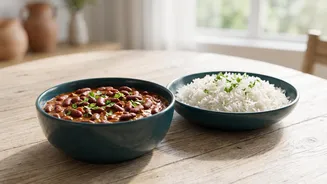
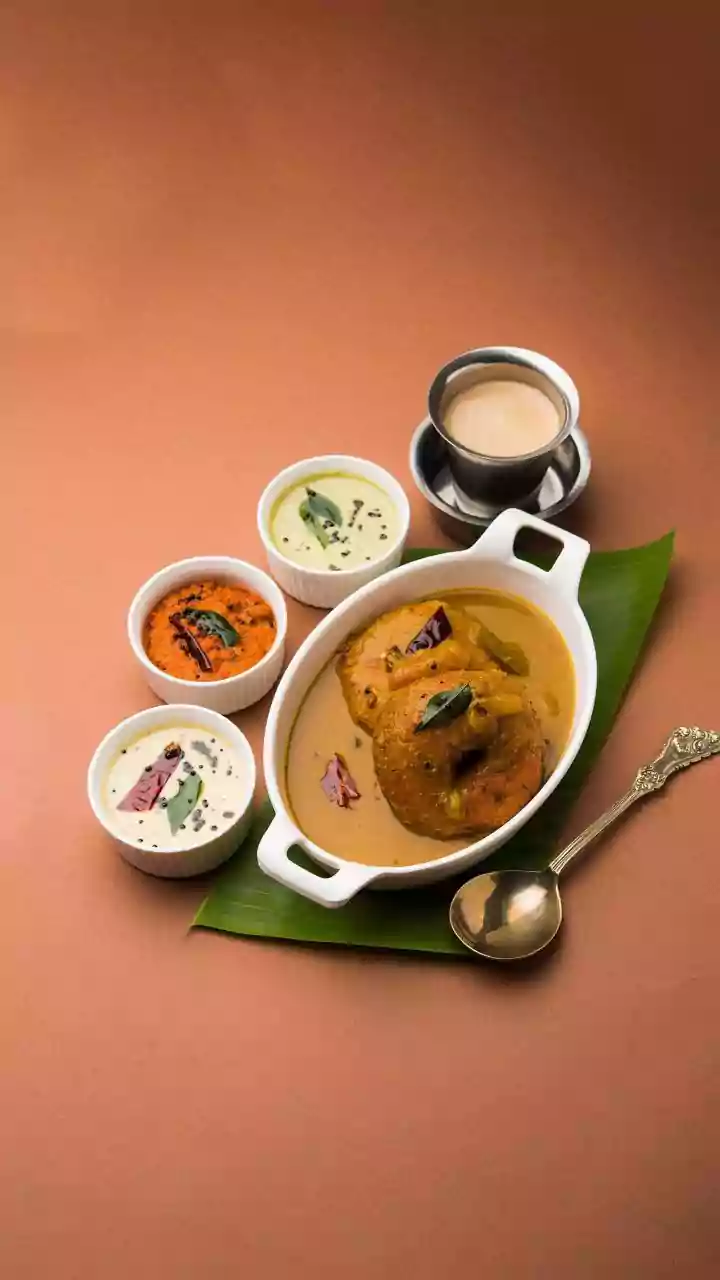
This principle is beautifully demonstrated in many traditional Indian meals, which have been nutritionally balanced for centuries, long before the science was understood. Think of dal and rice (dal-chawal), a staple across the country. The lentils provide the lysine that rice lacks, and the rice provides the methionine that lentils lack. The same logic applies to other classic pairings like roti (wheat) with chana (chickpeas), rajma with chawal, and the fermented batter of rice and urad dal used to make idli and dosa. Each of these combinations intuitively creates a complete protein, showcasing the inherent wisdom of traditional culinary practices.