




A Major Policy Shift for Passengers
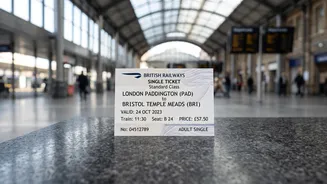
Previously, the optional travel insurance scheme was only available to passengers booking their tickets online via the Indian Railway Catering and Tourism Corporation (IRCTC) website or app. This created a gap, leaving millions who purchase tickets at station
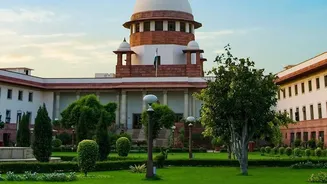
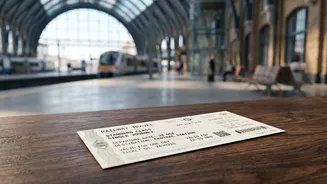
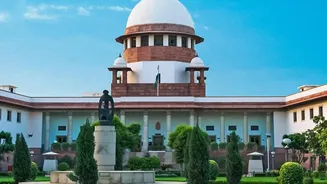
counters without an easy option for insurance coverage. Recognizing this disparity, the Supreme Court has mandated that from October 27, 2026, all tickets sold over the counter must also be covered by insurance. This move aims to provide a uniform safety measure for all passengers, regardless of how they purchase their tickets. The Railway Board is now responsible for implementing this directive and will soon release a detailed Standard Operating Procedure (SOP) for the process.
Understanding the Insurance Coverage
The travel insurance policy provides significant financial protection in the event of a train accident or other untoward incidents during the journey. The coverage is extensive and uniform across all travel classes. It includes a substantial sum for the most severe outcomes: ₹10 lakh in the unfortunate event of death or permanent total disability. For permanent partial disability, the coverage is up to ₹7.5 lakh. The policy also accounts for medical needs, offering up to ₹2 lakh for hospitalization expenses due to injury. Additionally, it provides a sum of ₹10,000 for the transportation of mortal remains. This financial support can be crucial for passengers and their families during a crisis.
Cost and Eligibility
For online bookings, this comprehensive insurance comes at a remarkably low premium of just 45 paise per passenger, inclusive of all taxes. While the premium for counter tickets is yet to be officially confirmed, it is expected to be similarly nominal. The goal is to make this safety net accessible to every traveler. The insurance is applicable only to Indian citizens; foreign nationals are not eligible for this scheme. It is important to note that children under the age of five, for whom a ticket is booked without a berth, are not covered. However, children between five and eleven years old are eligible for the insurance coverage. The policy covers the entire journey, from the process of boarding the train to alighting at the destination.
How the Claim Process Works
In the event of an incident, the insured passenger or their nominee must initiate the claim process. While the specific mechanism for counter-ticket holders will be clarified in the upcoming SOP, the general process involves contacting the designated insurance company. The insurance provider is usually one of the partners in the IRCTC scheme, such as Liberty General Insurance, Royal Sundaram, or United India Insurance. To file a claim, certain documents are required. These typically include the official report from the railway authority confirming the accident, a duly filled claim form, and identity proofs. For death claims, the death certificate, post-mortem report, and a copy of the FIR are necessary. The claim amount is paid to the nominee declared by the passenger or to their legal heir.
Key Exclusions to Know
While the coverage is broad, there are specific situations that are not covered by the policy. It is crucial for passengers to be aware of these exclusions. The insurance does not cover accidents that happen while illegally crossing railway tracks or incidents resulting from a breach of law with criminal intent. Furthermore, claims arising from intentional self-injury, suicide attempts, or injuries sustained while under the influence of alcohol or drugs are not admissible. Medical issues like natural death or hospitalization for a pre-existing disease are also excluded unless treatment is required due to an injury from the train accident itself. Incidents caused by war, civil unrest, or nuclear perils are outside the scope of this insurance policy.