





The Monsoon's Double-Edged Sword
Every year, the monsoon transforms the Western Ghats into a paradise for adventure seekers. Mist clings to emerald peaks, waterfalls cascade down ancient rock faces, and the landscape pulses with life. However, this seasonal beauty comes with significant
risks. Trails that are dusty paths in winter become treacherous, slippery tracks. Gentle streams can swell into impassable, raging torrents in minutes due to upstream rain, and the constant downpour can trigger landslides, cutting off routes and stranding trekking groups. In these remote areas, mobile phone networks are often non-existent, leaving groups completely isolated in a potential crisis. It is this combination of stunning beauty and sudden, unpredictable danger that has made monsoon trekking a serious undertaking.
A Lifeline Beyond the Network
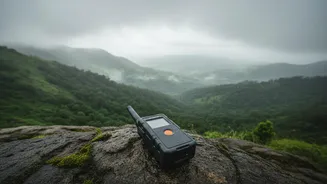
This is where satellite beacons come in. Unlike a mobile phone, which relies on terrestrial towers, these devices communicate directly with a network of orbiting satellites. This gives them a global or near-global reach, making them functional in the most remote valleys and mountains where cell service is a distant memory. Two main types of devices are used: the Personal Locator Beacon (PLB) and the satellite messenger. A PLB is a one-trick pony, but it's a life-saving one; when activated, it sends a powerful, one-way distress signal with your GPS location to international rescue coordination centers. Satellite messengers, like those from brands such as Garmin or ZOLEO, offer more nuanced, two-way communication. Guides can send and receive text messages, get detailed weather forecasts, and share their live location with a base camp or family back home.
Prevention, Not Just Reaction
The real game-changer for guides in the Ghats is not just the SOS button, but the ability to prevent an emergency from happening in the first place. The headline feature is prevention. Using a satellite messenger, a guide can receive updated, hyper-local weather reports on the trail. If a forecast shows a severe storm cell approaching a pass up ahead, the guide can make an informed decision to turn back or take a safer, alternate route. They can send pre-set "check-in" messages at regular intervals to their operator, confirming the group is safe and on schedule. This two-way communication allows for real-time risk assessment. A guide might message a contact to ask about the condition of a specific river crossing based on rainfall in another area, allowing the group to avoid a potential flash flood zone altogether. This proactive use of technology turns the device from a panic button into a sophisticated planning tool.
Navigating The Rules and Realities
While the technology is a powerful safety tool, its use in India is tightly regulated due to national security concerns. The possession and use of unauthorised satellite phones and transmitting devices are illegal and can lead to severe penalties. However, registered organisations and trekking agencies, particularly those affiliated with bodies like the Indian Mountaineering Foundation (IMF), can obtain permits to use these devices for safety and emergency purposes. This ensures that legitimate operators, who are trained and accountable, can leverage this technology. Reputable trekking companies are increasingly making these licensed devices a standard part of their safety equipment for guides, especially on high-altitude or remote monsoon treks where risks are elevated.
The Human Element Remains Key
Technology is never a substitute for experience and good judgment. Guides stress that a satellite beacon is a tool, not a magic wand. The most crucial safety factors remain the guide's deep knowledge of the local terrain, their ability to read the weather and environmental signs, and a conservative approach to decision-making. The beacon enhances their ability to make good choices by providing more data. For trekkers, choosing a reputable operator that invests in experienced guides and proper safety equipment, including licensed communication devices, is paramount. The device provides a vital link, but the expertise of the person holding it is what truly ensures a safe and memorable journey through the magnificent, rain-swept mountains of the Western Ghats.