


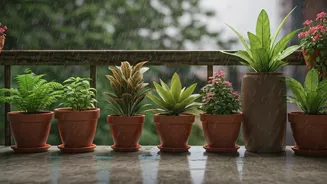


Peace Lily: The Elegant Air Purifier
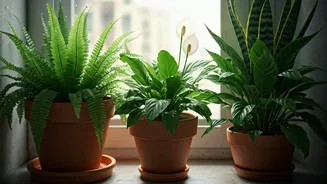
The Peace Lily is a monsoon favourite for good reason. Its glossy, dark green leaves and elegant white blooms offer a touch of sophistication to any room. These plants are exceptionally tolerant of the moist, humid conditions that define the Indian monsoon.
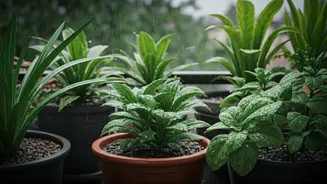
[2, 10] They thrive in indirect sunlight, making them perfect for apartments and homes where direct sun is scarce during the rainy season. [2] Beyond their beauty, Peace Lilies are renowned for their air-purifying qualities, helping to absorb excess moisture and reduce mould spores in the air. [11, 13] For care, the key is to avoid overwatering; let the topsoil dry out slightly and ensure the pot has good drainage to prevent root rot. [2, 10]
Snake Plant: The Indestructible Beginner's Friend
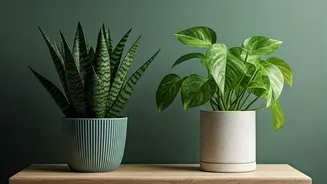
Often called 'mother-in-law's tongue', the Snake Plant is virtually indestructible, making it a perfect choice for novice gardeners. [14, 17] It's a succulent that is highly adaptable and can survive in a wide range of conditions, including the low light and high humidity typical of monsoon months. [2, 11, 14] Its stiff, upright leaves come in various variegated patterns, adding architectural interest to your space. One of its standout features is its ability to release oxygen at night, which helps keep indoor air fresh around the clock. [16] This plant is incredibly low-maintenance; it prefers to be left alone and watered infrequently, as it is prone to root rot if the soil is too wet. [14, 17]
Pothos (Money Plant): The Versatile Vine
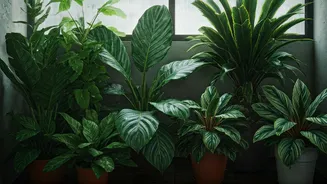
No list of low-effort Indian houseplants is complete without the ubiquitous Money Plant, or Pothos. This fast-growing vine is incredibly forgiving and thrives on the humidity that the monsoon brings. [2, 5, 13] Its heart-shaped leaves, which can be green, golden, or marbled, create a lush, trailing effect perfect for shelves, hanging baskets, or even just a simple jar of water. [5, 13] Pothos is adaptable to various light levels, although it prefers bright, indirect light. [14] It’s an excellent air purifier and, according to popular belief, brings good luck and prosperity. [5, 13] Care is simple: water when the soil feels dry to the touch and prune it back to encourage bushier growth.
ZZ Plant: The Drought-Tolerant Powerhouse
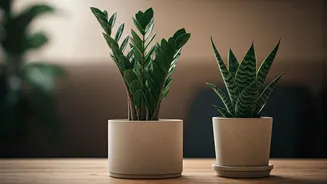
The Zamioculcas zamiifolia, or ZZ Plant, is the epitome of a neglect-tolerant plant. Its wide, dark green, glossy leaves make it look almost artificial, and it is nearly indestructible, making it ideal for busy or forgetful plant parents. [11, 14, 17] The ZZ Plant thrives in low-light conditions and is extremely drought-tolerant, thanks to its water-storing rhizomes. [14] During the humid monsoon, its watering needs are even lower. Overwatering is the biggest threat to this hardy plant, so it’s best to err on the side of caution and let the soil dry out completely between waterings. Its resilience and striking appearance make it a fantastic, hassle-free addition to any home.
Spider Plant: The Prolific Air-Cleaner
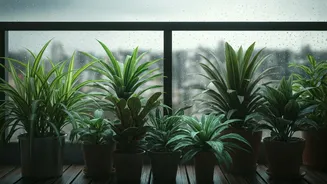
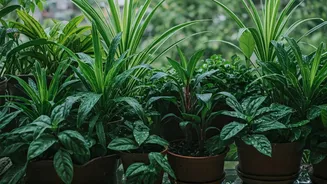
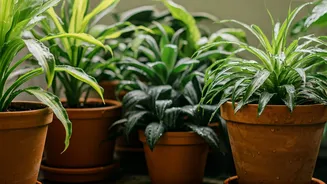
With its cheerful, arching leaves and ability to produce tiny 'spiderettes' or baby plants, the Spider Plant is a rewarding and easy-to-care-for choice. [13] It's well-suited for the monsoon season as it handles humidity well and helps improve indoor air circulation and quality. [11, 13] These plants prefer bright, indirect light but are quite adaptable. Their fast-growing nature provides a sense of accomplishment for new plant owners. The baby plantlets can be easily snipped off and potted to create new plants, making it a gift that keeps on giving. Water moderately, allowing the soil to dry out a bit between sessions.
Flowering Beauties: Hibiscus and Jasmine
If you crave colour to cut through the grey monsoon days, look no further than Hibiscus and Jasmine. [3, 5] Both are classic Indian garden favourites that flourish during the rainy season. [3, 4, 6] Hibiscus produces large, vibrant blooms and thrives in moist climates, though it needs good drainage to avoid waterlogging. [3, 4] Jasmine, or Mogra, adores the humidity, and its intensely fragrant flowers are a delight on rainy evenings. [3, 6, 8] While they require a bit more light than the foliage-focused plants above, placing them on a balcony or near a bright window will reward you with beautiful, fragrant blooms that are synonymous with the Indian monsoon. [3]